

EPS Foam Compactor Machine
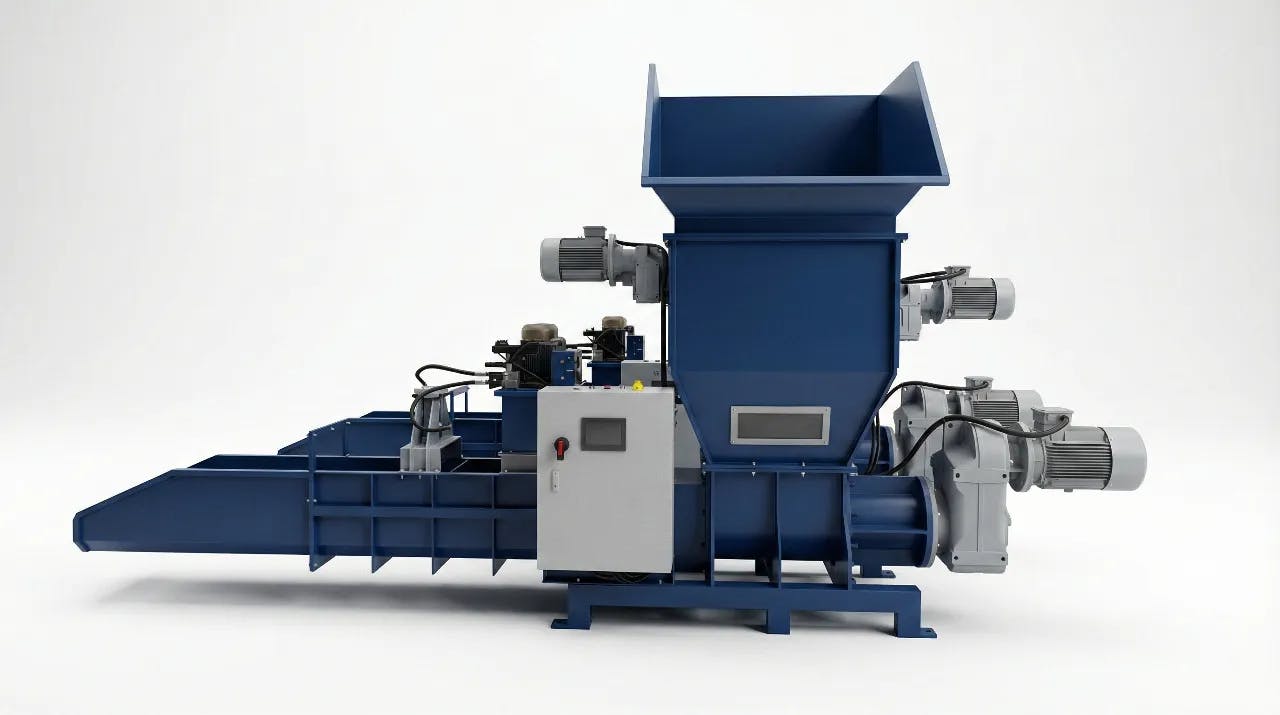
Turn bulky EPS foam waste into dense, stackable blocks with a cold-press compactor that works without heat. Reduce storage and transport volume while preparing easier-to-handle material for downstream recycling.
Key Benefits
Transform Your Foam Waste Problem
An EPS foam compactor can improve handling economics by reducing occupied space, transport frequency, and the cost of moving low-density foam.
Massive Volume Reduction
Reduce loose EPS volume by approximately 30:1 to 50:1, depending on foam type, bulk density, feeding conditions, and machine configuration.
Drastic Cost Savings
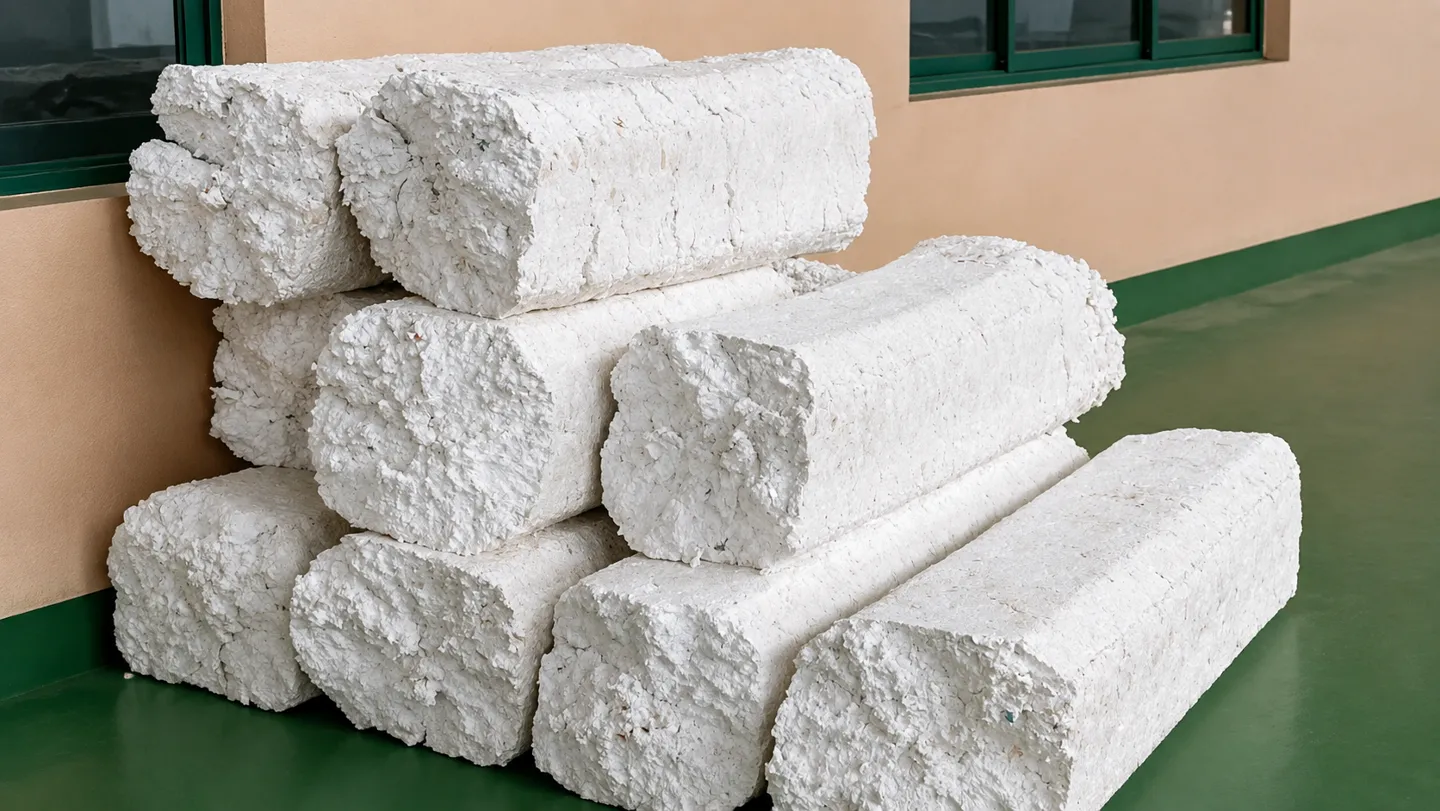
Compact, stackable blocks can reduce transport frequency and make storage and loading more efficient than handling loose foam.
Improve Recycling Value
Clean, sorted EPS blocks may be accepted by qualified recyclers, depending on local demand and buyer specifications. Densification can reduce handling and logistics costs, but resale value is project-specific.
Working Process
From Bulky Foam to Dense Blocks
The cold-press process combines mechanical crushing, screw compression, hydraulic outlet control, and PLC-based operation to densify EPS without thermal melting.
Feeding
Loose EPS foam is manually or automatically fed into the machine’s hopper.
Crushing & Compacting
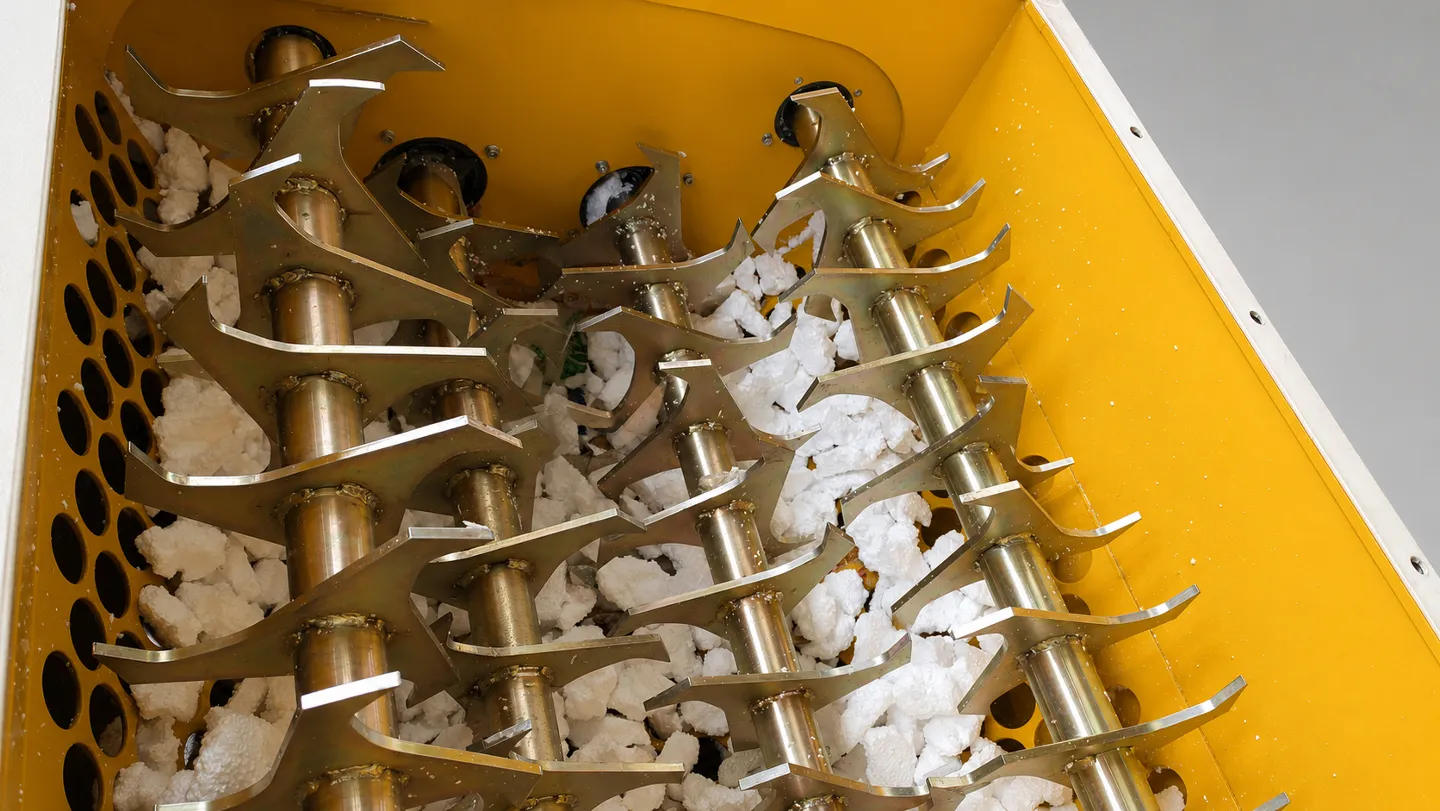
Rotating blades break the foam into smaller pieces, which then fall into the path of a powerful screw auger.
Screw Compression & Block Forming
The screw pushes crushed foam into a hydraulically controlled outlet, where pressure forms dense blocks without thermal melting.
Feeding
Loose EPS foam is manually or automatically fed into the machine’s hopper.
Crushing & Compacting
Rotating blades break the foam into smaller pieces, which then fall into the path of a powerful screw auger.
Screw Compression & Block Forming
The screw pushes crushed foam into a hydraulically controlled outlet, where pressure forms dense blocks without thermal melting.
Video
EPS Foam Compactor in Action
Watch the EPS foam compactor cold-press bulky styrofoam into dense blocks for lower transport and storage cost.
Gallery
Machine & Product Gallery
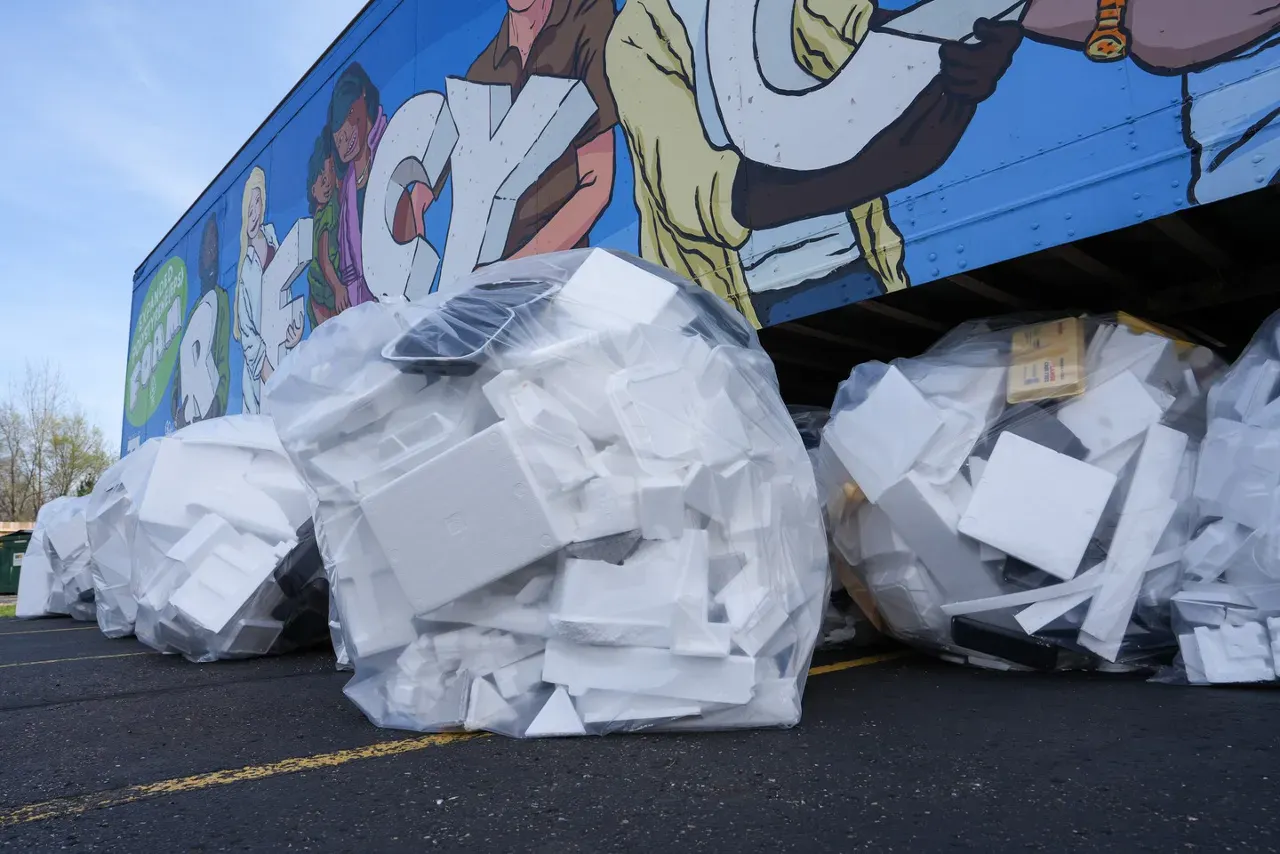
View the EPS foam compactor, crushing blade, incoming loose styrofoam, and densified output blocks.
Applications
Applicable Materials & Industries
An essential tool for any business that generates significant volumes of expanded foam waste.
Foam Types
Designed primarily for EPS foam and configurable for compatible EPE and EPP materials after material testing. Feed form, contamination, and bulk density should be confirmed before sizing.
Key Industries
Furniture and appliance retailers, logistics centers, seafood processors, manufacturing plants, and packaging operations.
Output Uses
The densified blocks are sold to manufacturers who recycle them into new products like picture frames, construction molding, and insulation material.
Specifications
Technical Specifications
Two typical configurations are shown for preliminary sizing. Final throughput, motor power, screw design, feed opening, and block dimensions are customized to the foam type, bulk density, feeding method, and project requirements.
| Reference Configuration | Main Motor | Typical Throughput | Volume Reduction | Block Cross-Section |
|---|---|---|---|---|
| Compact Configuration | 7.5 kW | 80–100 kg/h | 30:1–50:1 | 250 × 250 mm |
| Higher-Output Configuration | 15 kW | 150–200 kg/h | 30:1–50:1 | 380 × 380 mm |
Swipe horizontally to view the full table on mobile.
Reliable Support for EPS Densification Projects
From model selection to commissioning and replacement parts, Energycle supports stable operation across retail, packaging, seafood, and foam recycling applications.
1-Year Limited Warranty
Coverage includes manufacturing defects in major mechanical and electrical components for one year. Normal wear parts and damage caused by improper operation are handled separately.
Installation Guidance
We help with layout, power requirements, feeding clearance, block discharge planning, and startup recommendations.
Spare Parts Supply
Replacement blades, screw components, hydraulic parts, sensors, and electrical components are available for scheduled maintenance.
Technical Assistance
Remote troubleshooting, operating recommendations, and optional on-site service are available when your project needs additional support.
FAQ
Frequently Asked Questions
Answers to common questions about cold pressing, volume reduction, and downstream recycling.
Related Guide
For a broader equipment overview, see our EPS Recycling Machine: Types, Costs & ROI Guide.
Solve Your Foam Waste Problem Today
Reduce the cost of storing and transporting bulky EPS. Share your foam type, approximate hourly or daily volume, feeding method, and target block size so we can size a customized cold-press system.