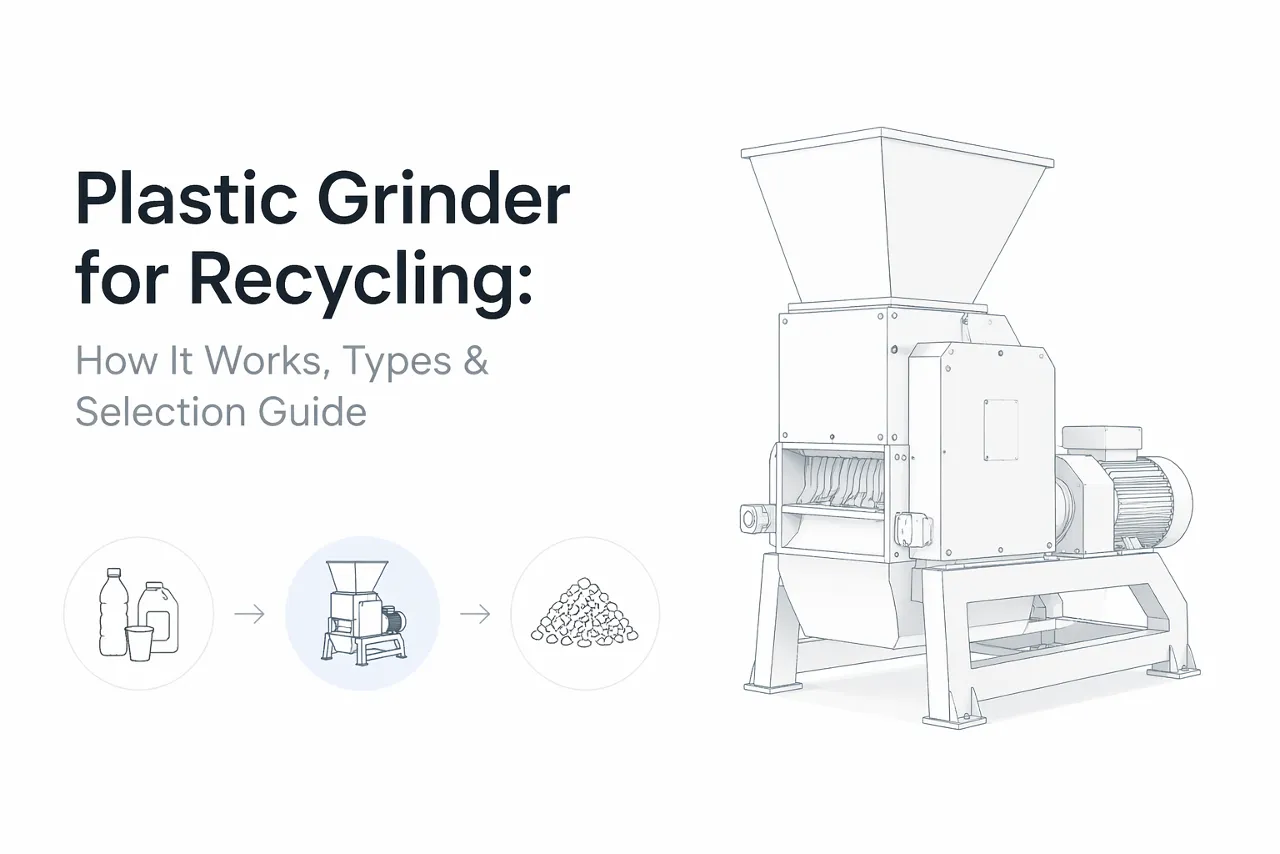
A plastic grinder for recycling turns plastic waste — bottles, pipes, crates, film, and profiles — into uniform granules small enough to feed directly into...
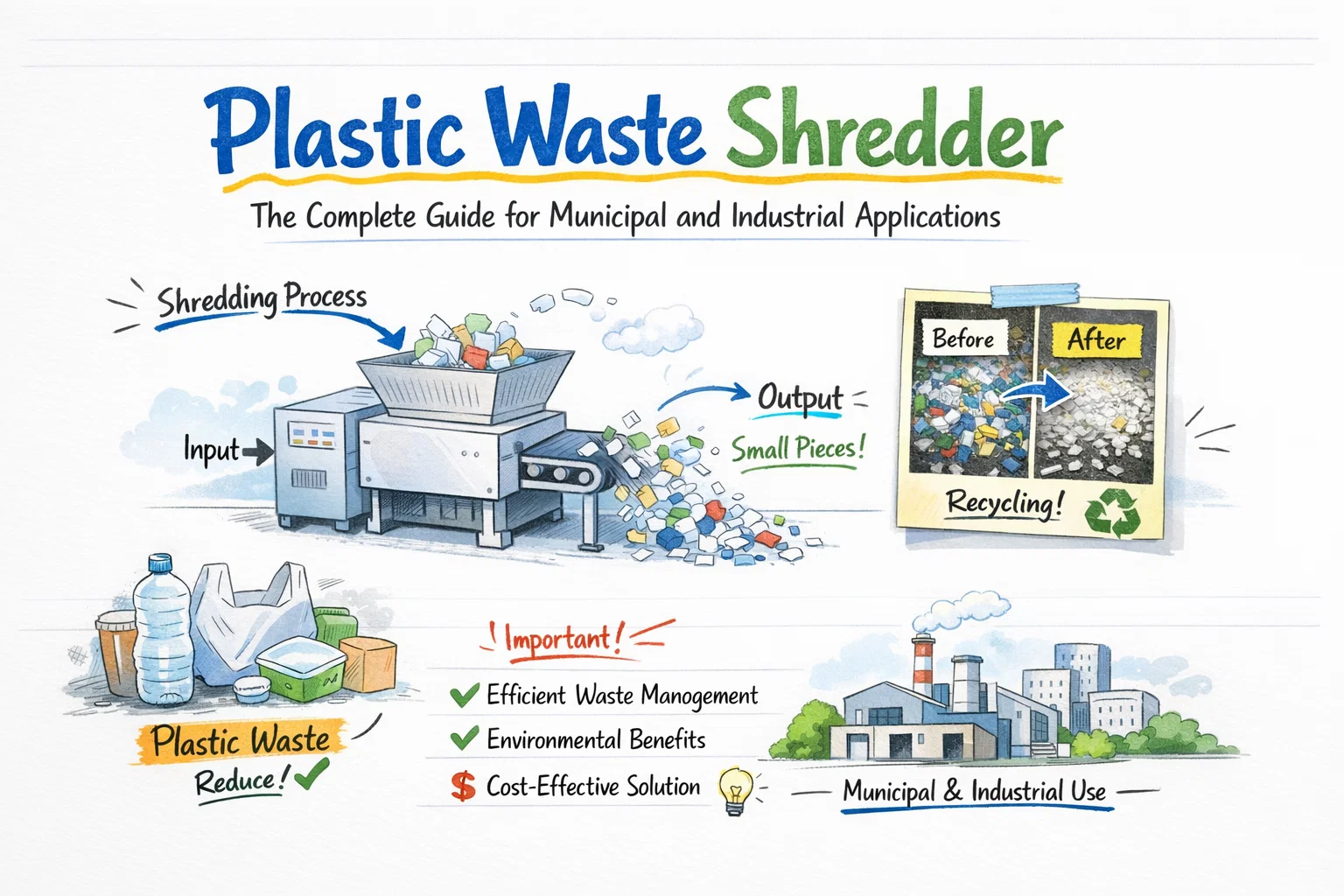
A plastic waste shredder is a heavy-duty machine that tears, cuts, or crushes plastic waste into uniform particles for downstream sorting, washing, or...
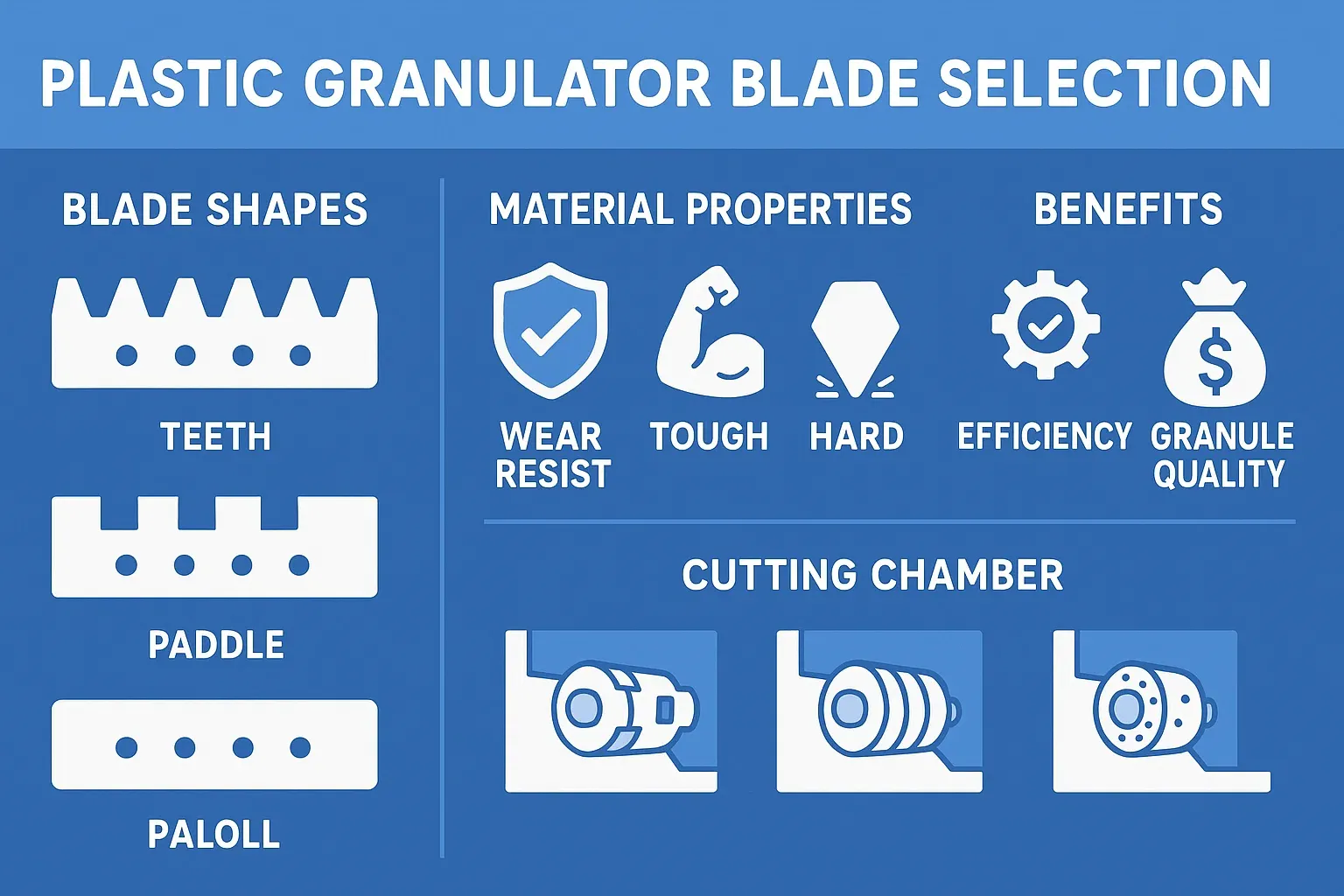
Selecting the right plastic granulator blades determines your facility’s throughput, energy consumption, and long-term maintenance costs. For operators pr...
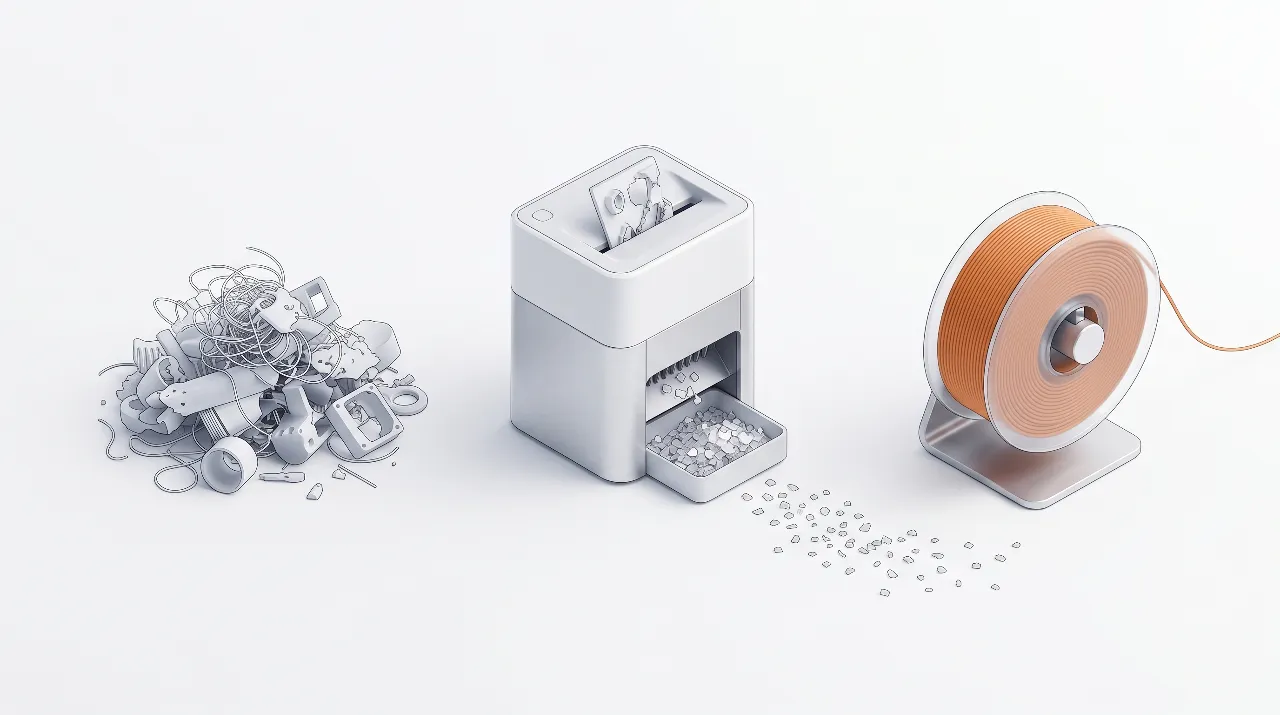
A 3D printer filament shredder gives makers, schools, and small studios a practical way to turn failed prints into new filament instead of waste. By adding a co...
A metal scrap shredder reduces bulky ferrous and non-ferrous metal waste — car bodies, white goods, aluminium extrusions, copper wire, steel drums — into fi...
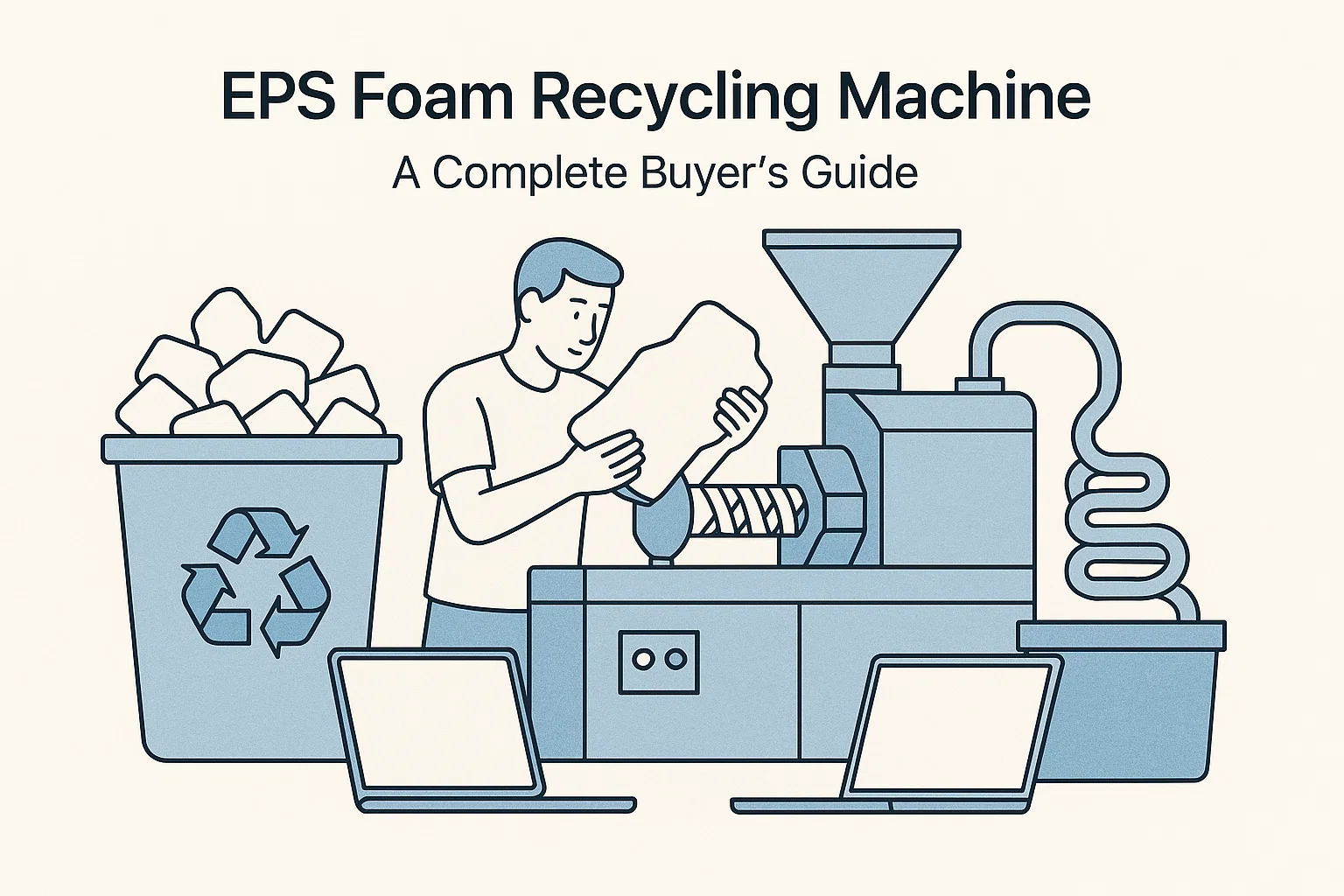
An EPS recycling machine — also called an EPS foam recycling machine, EPS polystyrene recycling machine, polystyrene recycling machine, or simply an EPS recyc...
An industrial baler compresses loose recyclable materials — cardboard, plastics, textiles, metals — into dense, uniform bales that are easier and cheaper to...
The global recycled PET market hit an estimated $14.3 billion in 2026 and is on track to reach $25.9 billion by 2033. The EU’s Single-Use Plastics Directi...
A textile shredder is a low-speed, high-torque machine that cuts used clothing, production offcuts, carpet, upholstery, nonwoven, and industrial textiles into c...