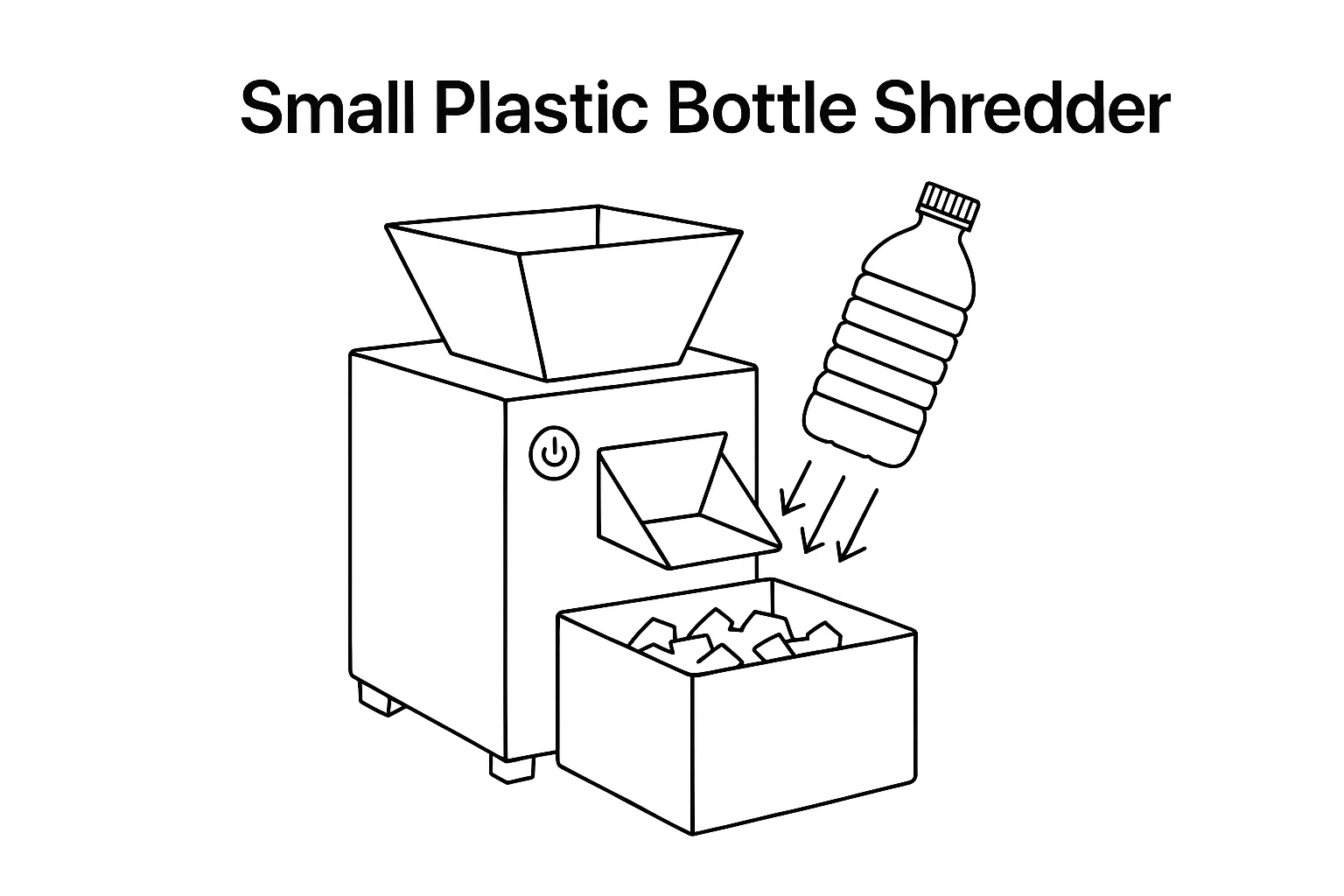
A desktop plastic shredder bridges the gap between office paper shredders and full-scale industrial shredding lines. These compact machines — typically under...
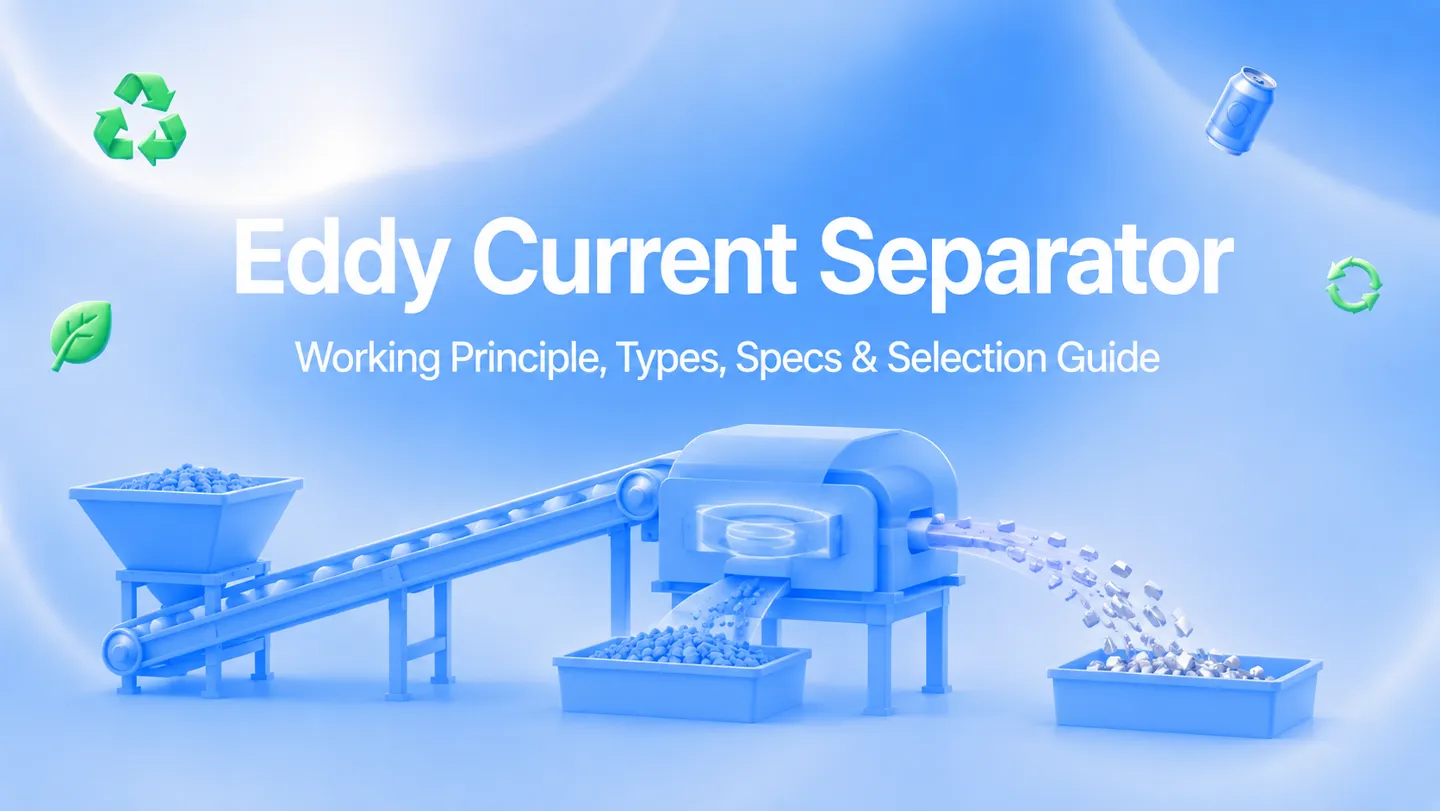
An eddy current separator (ECS) recovers conductive non-ferrous metals — including aluminum, copper, brass and zinc — from mixed material streams by electro...
A plastic recycling machine converts waste plastics — bottles, film, pipes, containers, and industrial scrap — into reusable raw materials such as clean fla...
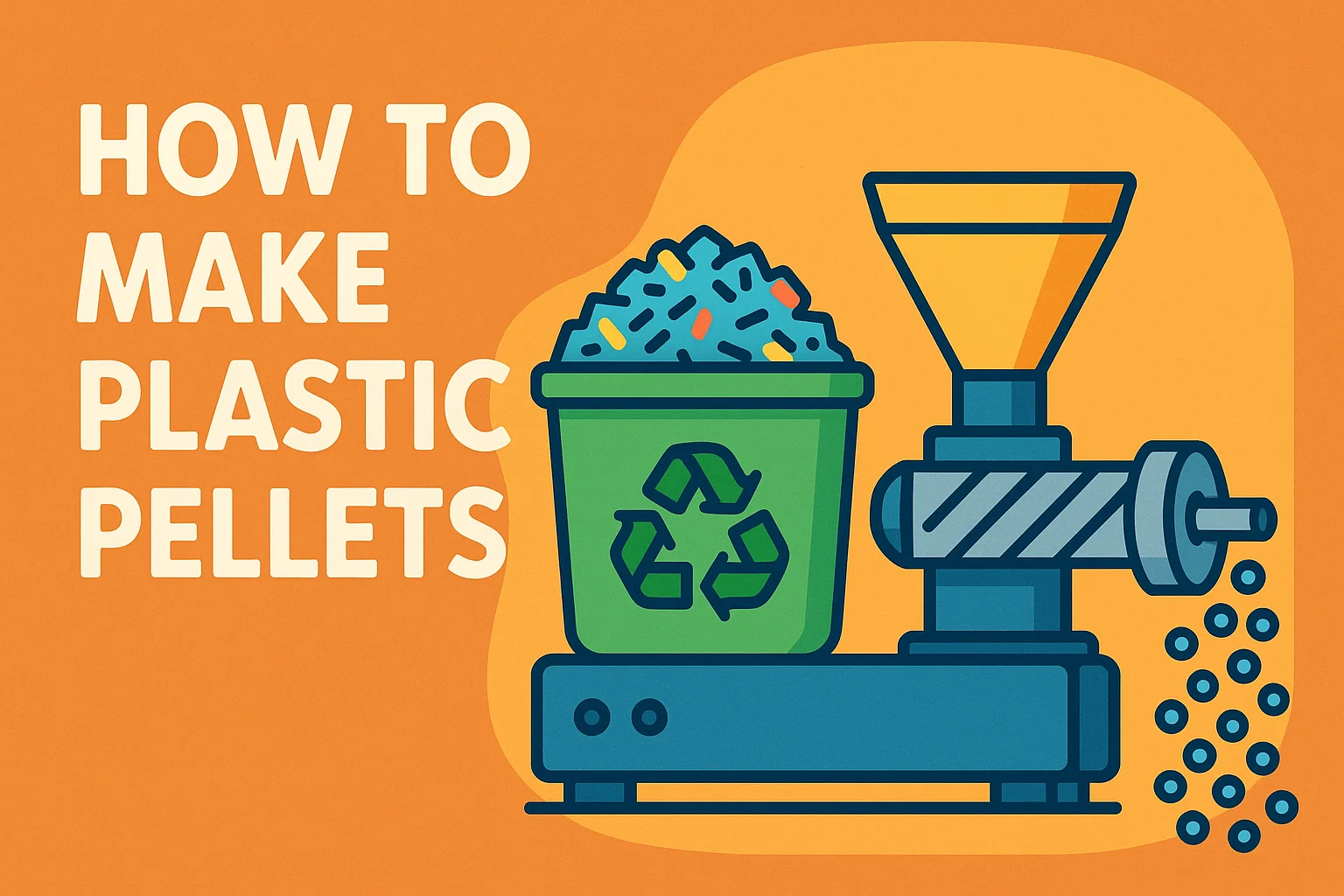
Choosing the right machine, not just learning the process? See our Pelletizing Plastic: Methods, Machines & Cost Guide — comparison of strand, water-ring,...
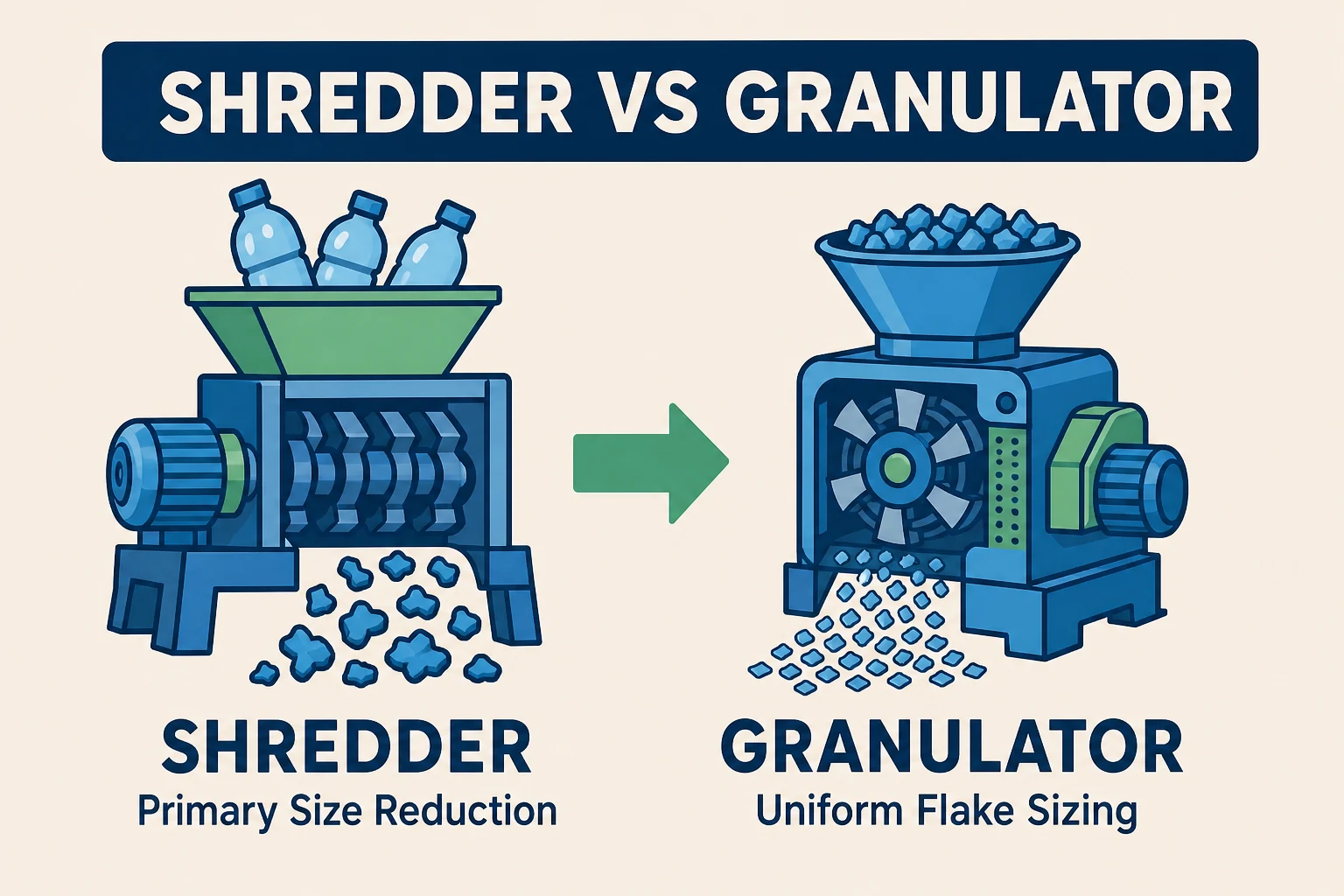
Shredders and granulators are both plastic size-reduction machines, but they are not interchangeable. A shredder is built to accept bulky, irregular, or difficu...
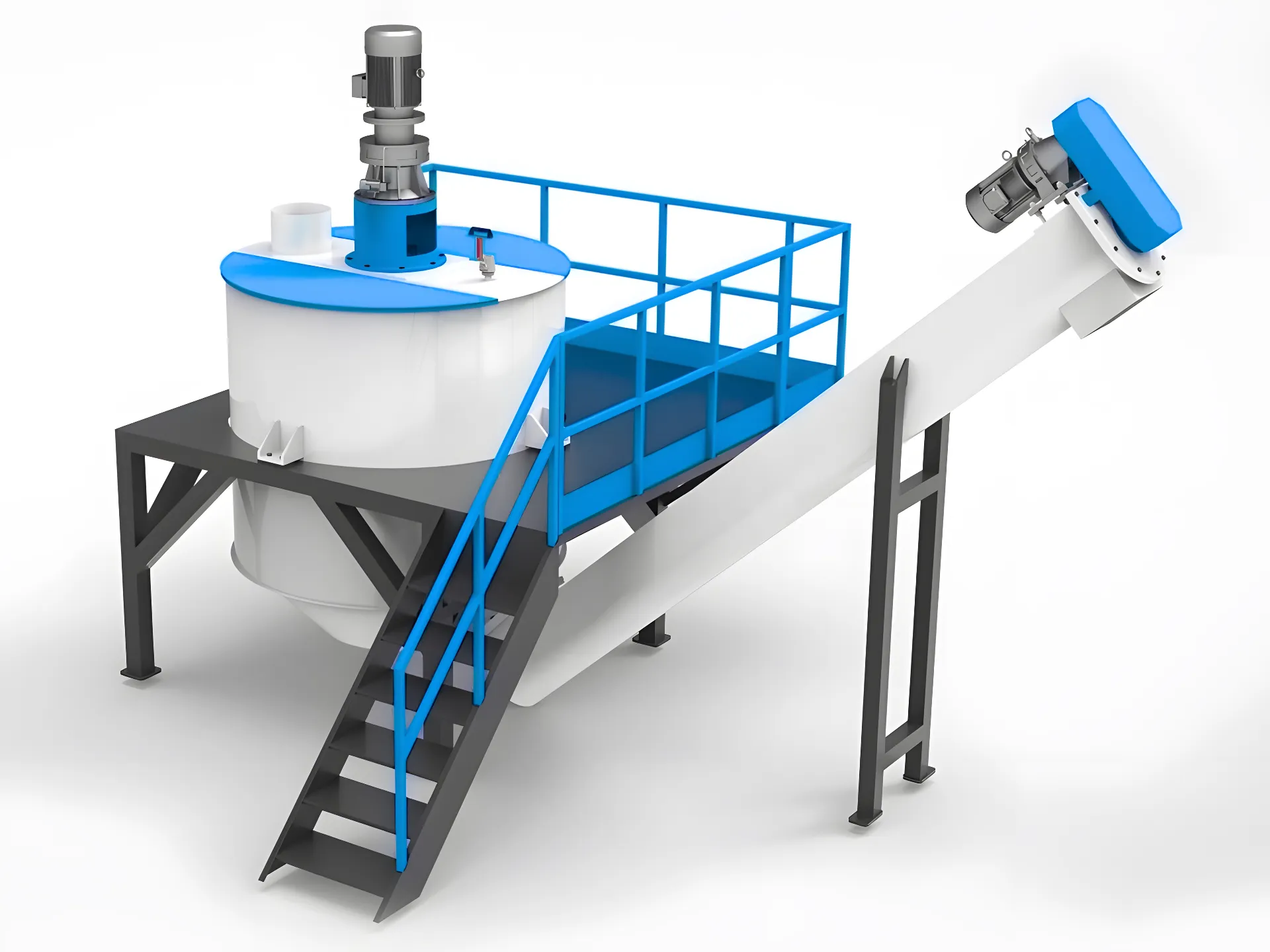
Running a PE film washing line at full capacity sounds simple — until contamination spikes, throughput drops, and energy bills climb. Whether you process post...
Choosing the wrong washing method costs more than energy—it determines whether your recycled PET can enter food-grade markets at all. Recyclers investing in a...
Procurement teams and plant engineers evaluating PVC recycling equipment face a common challenge: separating realistic financial performance from generic projec...
A plastic film recycling machine turns post-industrial and post-consumer PE and PP film waste into clean, reusable pellets that go straight back into producti...
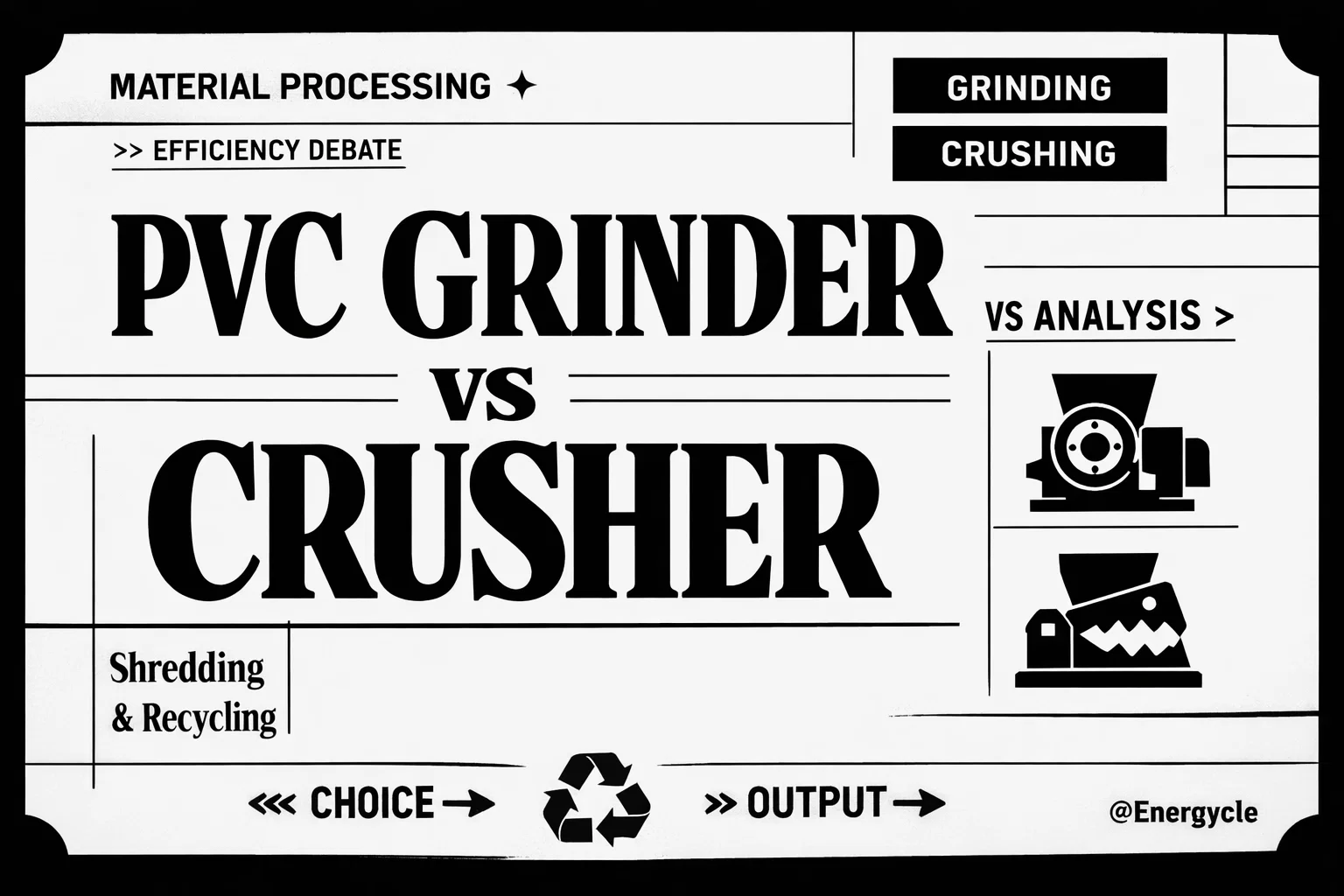
PVC grinding vs crushing determines the efficiency and output quality of plastic recycling and compounding lines. While operators often use these terms intercha...