

Anti-Winding Size Reduction for Textile Waste
Textile Shredder for Fabric, Carpet & Fibre Waste
The EMR-TS Series single-shaft textile shredders are engineered for fabric offcuts, used clothing, nonwoven materials, and carpet waste with latex or PU backing. An anti-winding rotor, hydraulic pusher, application-matched blades, and PLC auto-reverse logic support consistent size reduction for recycling, baling, or downstream processing.
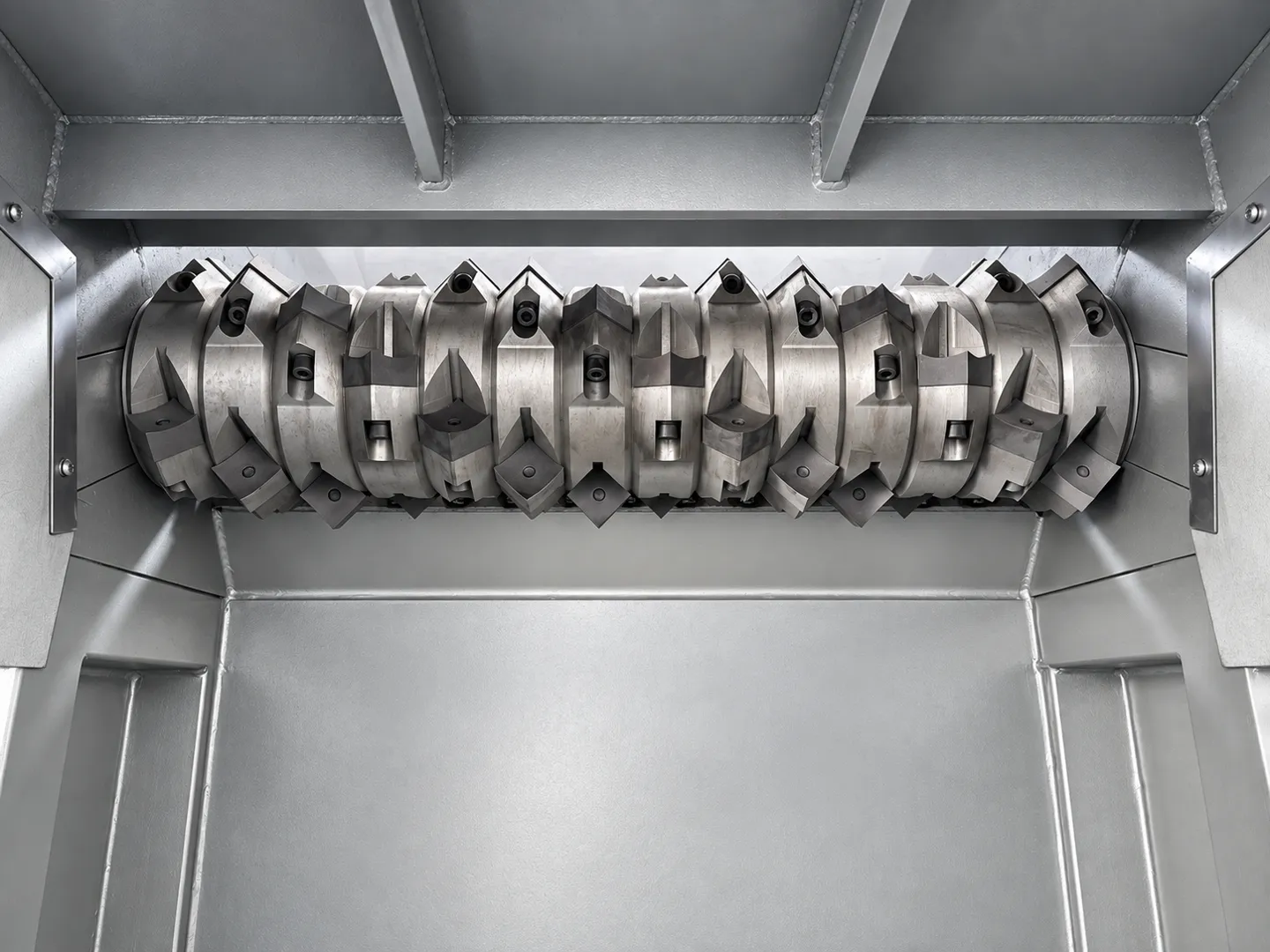
Why Textile Recyclers Use a Dedicated Single-Shaft Shredder
Long fibers behave differently from rigid plastic scrap. This machine is configured to cut, not just pull, so fabric and textile waste can be processed with less winding and more predictable output than with a general-purpose shredder.
Anti-Winding Cutting Geometry for Fabric and Fiber Feedstock
Textiles, carpet strips, and long fibers tend to wrap around standard rotors. This shredder uses a specialized single-shaft layout, close cutting tolerance, and PLC reverse logic to reduce tangling and keep throughput more stable on soft, stringy materials.
Hydraulic Feeding for Dense Carpet Rolls
The hydraulic pusher keeps carpet tiles, tufted carpet, and bulky textile rolls moving steadily into the cutting chamber.
Application-Matched Blades and Direct-Drive Reliability
Blade material is selected for the feedstock and expected wear conditions. Direct coupling and a robust reducer support reliable operation across long processing cycles.
Screen-Controlled Output for Recycling or Volume Reduction
Interchangeable screens help define the final shred size, whether the goal is densification, baling, reuse, alternative fuel preparation, or feeding a downstream textile recycling process.
How the Textile Waste Shredder Works
A four-stage flow designed for soft, bulky, and potentially winding textile or carpet waste streams.
Material Loading
Fabric rolls, garment offcuts, nonwoven waste, and carpet material are loaded into the hopper for controlled processing.
Hydraulic Ram Feeding
The hydraulic feed cart pushes material steadily toward the rotor, especially useful for bulky carpet sections and dense mixed textile waste.
Anti-Winding Shearing
The rotor cuts against fixed knives while the PLC detects overload and reverses automatically if a jam begins to build.
Uniform Screened Output
The screen controls discharge size so the shredded textile output is easier to transport, recycle, bale, or feed to the next step.
Typical Applications
Configured for textile recycling plants, fabric mills, garment factories, used-clothing processors, and carpet recyclers handling high-volume soft-waste reduction.
Textile Scrap and Fabric Offcuts
Reduces woven fabric, garment offcuts, thread bundles, and post-industrial textile waste for recycling or volume reduction. Suitable as a fabric shredder for textile mills and converters.
Used Garments and Apparel Destruction
Operates as a garment shredder for used-clothing processors, brand-protection services, and apparel destruction. Pair with metal detection upstream to handle zippers, buttons, and rivets safely.
Carpet Waste and Carpet Tiles
Handles tufted carpet, woven rugs, carpet tiles, and backing-heavy material including latex and PU-backed products.
Nonwoven and Fiber Materials
Suitable for felt, nonwoven scrap, synthetic fibers, and selected mixed soft industrial waste that require primary cutting.
Upholstery and Home Textiles
Processes curtains, upholstery, mattress textiles, and home furnishing waste where bulky volume reduction is required.
Dedicated Textile Shredder vs. General-Purpose Single-Shaft Shredder
Textile and carpet waste often need more anti-winding attention than a general scrap shredder setup.
| Selection Factor | Textile / Fabric / Cloth Shredder (this page) | General-Purpose Single-Shaft Shredder |
|---|---|---|
| Best For | Fabric, cloth, garments, carpets, nonwovens, bulky soft waste | Broader multi-material use with less textile-specific optimization |
| Anti-Winding Performance | Better for long fibers and winding textile feedstock | More general rotor behavior across mixed materials |
| Bulky Carpet Handling | Hydraulic feed is tuned for carpet rolls and dense backing materials | Better for general solid waste than dense carpet-specific flow |
| Typical Goal | Textile recycling prep, size control, and volume reduction | Flexible use across plastics, wood, paper, and mixed waste |
Swipe horizontally to view the full table.
Watch Textile Waste Shredding in Action
This YouTube video shows stable feeding, anti-jam operation, and consistent discharge on textile and carpet waste materials.
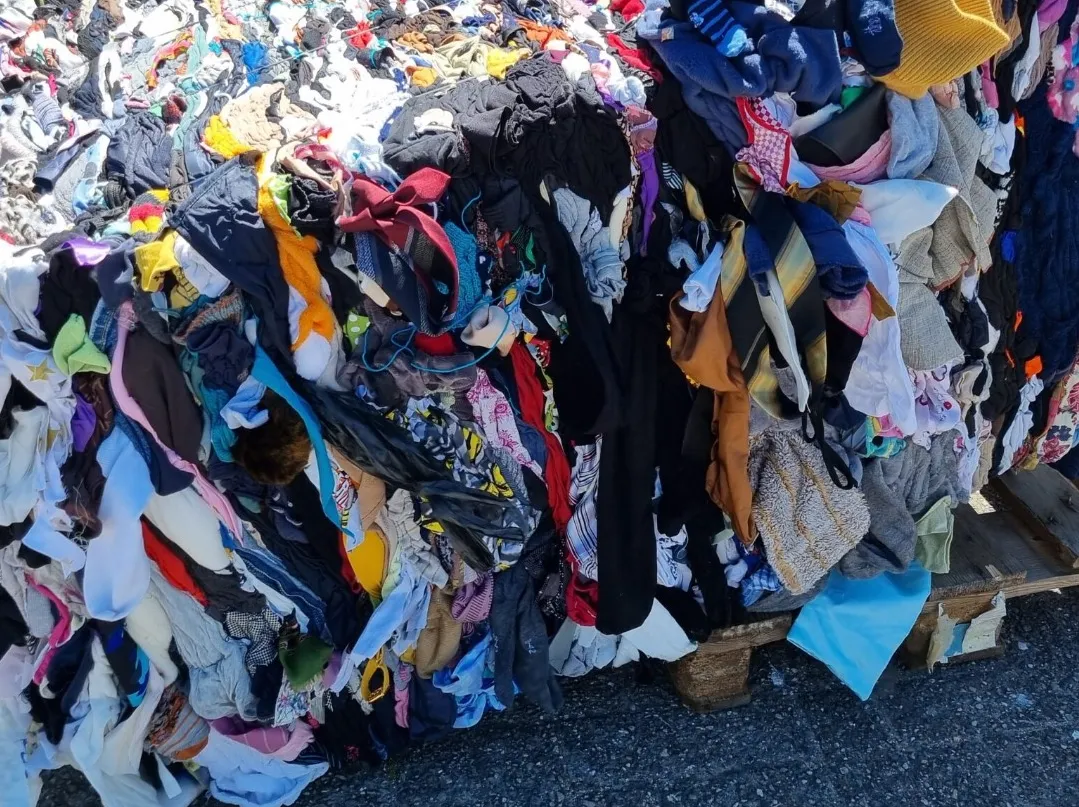
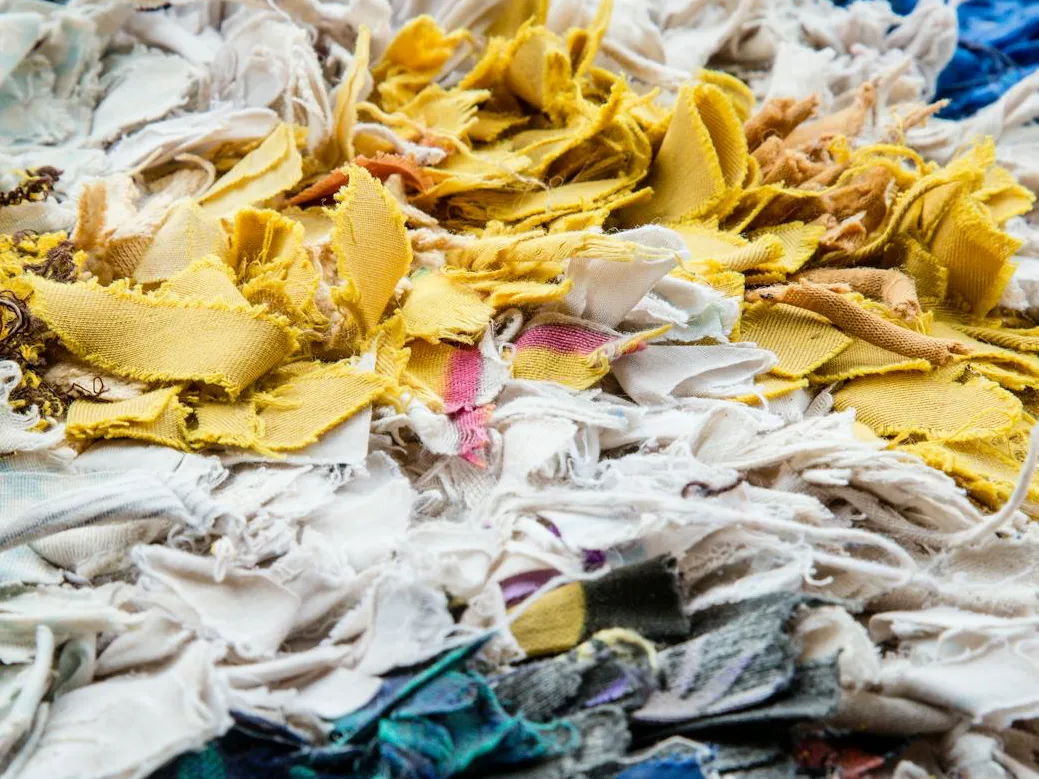
Machine Gallery
Representative rotor, textile feedstock, and processed output examples for textile waste reduction projects.
EMR-TS Series Models & Specifications
Compare five single-shaft textile shredder models. Model numbers identify effective rotor working width in millimetres. Main motor power ranges from 20 kW on EMR-TS600 to a maximum of 160 kW on EMR-TS1400, depending on configuration.
| Specification | EMR-TS600 | EMR-TS800 | EMR-TS1000 | EMR-TS1200 | EMR-TS1400 |
|---|---|---|---|---|---|
| Effective Rotor Working Width (mm) | 600 | 800 | 1,000 | 1,200 | 1,400 |
| Main Motor Power (kW) | 20 | 37 | 55 | 75 | Up to 160 |
| Effective Knife Diameter | 300–420 mm (series reference range; configuration-dependent) | ||||
| Reference Throughput | 300–1,500 kg/h across configurations; material, screen, and feeding dependent | ||||
| Blade Material Options | SKD11 or H13, selected for the feedstock and wear conditions | ||||
Swipe horizontally to view the full table.
Shared ranges are references across available configurations, not specifications or output guarantees for every model. Final selection depends on feedstock, bulk density, moisture, contaminants, screen opening, feeding method, and target output; confirm performance with sample testing.
What to Provide for Model Selection
To recommend a configuration, provide:
- Material composition: fiber type (cotton, polyester, nylon, etc.), blends, and approximate ratios.
- Feed form: loose/bulk offcuts, rolls, baled garments, or carpet tiles.
- Dimensions: largest piece length, width, and thickness; roll diameter and core size if applicable.
- Contaminants: metal (zippers, buttons, rivets), rubber, PU/latex backing, or other non-textile content.
- Downstream use: target output size and what happens next (mechanical recycling, pyrolysis feedstock, RDF, volume reduction for disposal).
Throughput depends on all of the above plus screen opening and feeding method. We do not publish per-model output figures because they would be misleading without your specific feedstock data.
Test Your Textile Material
Provide a representative sample of your textile waste for shredding evaluation. Tell us the material type, largest feed dimensions, target throughput, and required output or downstream use. Contact us first to agree on the sample quantity, test requirements, and shipping arrangements.
Maintenance & Wear Parts
Plan maintenance around your textile feedstock, contamination level, and operating hours. Follow the manual supplied with your EMR-TS configuration for inspection intervals, lubrication, knife clearance, and tightening requirements.
Before opening or servicing the machine, trained personnel must follow the approved isolation and lockout procedure, address stored hydraulic energy, and secure components against movement.
Rotor & Fixed Knives
Inspect cutting edges for wear, chips, and damage. Rotate knives only where the installed design permits; sharpen or replace them within the manufacturer’s service limits. Check knife seating, clearance, and fasteners against the model-specific manual.
Screen & Discharge Area
Check the screen for blocked openings, wear, and deformation. Remove accumulated fibers and lint using the approved cleaning procedure. Replacement screens must match the installed mounting arrangement and required aperture.
Hydraulic System & Drive
Include hydraulic fluid condition, hoses, seals, pusher components, reducer, and bearings in the maintenance plan. Investigate reported leaks, abnormal noise, or overheating before returning the machine to service. Use the specified lubricants and service procedures.
Wear Parts & Spare Parts Planning
Plan for rotor knives, fixed knives, and screens as wear items. Seals, bearings, and other service spares should be confirmed against the supplied configuration. To request a parts list, send the machine model, serial number, part number if available, and clear photos; include the aperture when ordering a screen.
Reliable Support Throughout the Equipment Lifecycle
From installation planning to routine maintenance, our service team helps keep your equipment operating safely, consistently, and efficiently.
1-Year Limited Warranty
Coverage includes manufacturing defects in major mechanical and electrical components for one year. Normal wear parts and damage caused by improper operation are handled separately.
Installation Guidance
We provide layout, foundation, utility, clearance, line-integration, and commissioning guidance to support a smooth installation and reliable startup.
Spare Parts Supply
Replacement wear parts, bearings, seals, sensors, electrical components, and other service items are available for scheduled maintenance and long-term operation.
Technical Assistance
Remote troubleshooting, operating recommendations, maintenance guidance, and optional on-site service are available when your project needs additional support.
Frequently Asked Questions
Key questions from textile processors about materials, output size, safety, and carpet shredding capability.
It is primarily designed for textile and carpet waste, including garments, fabric offcuts, nonwoven materials, and backing-heavy carpet waste. It can also be configured for selected soft industrial waste streams with similar feeding behavior.
Routine maintenance covers rotor and fixed knives, the screen and discharge area, the hydraulic system, and drive components. Follow the supplied manual for inspection intervals, lubrication, knife clearance, and safe isolation. Wear parts should be selected for the installed configuration; provide the model and serial number when requesting a parts list.
The screen opening influences discharge size, but flexible textiles can fold, compress, or elongate as they pass through it. The nominal screen aperture is therefore not a guaranteed maximum piece dimension; confirm the target output by sample testing.
The PLC-based system provides overload protection and automatic reverse to clear jams, then resumes forward operation. This helps protect both the operator and the machine.
Yes. The hydraulic pusher maintains stable feeding on dense carpet sections, while the auto-reverse logic helps clear jams caused by backing-heavy materials. Replaceable screens influence the discharge size, which should be confirmed by testing the actual carpet construction.
Yes. Textile shredder, fabric shredder, and cloth shredder are common names for this machine class. The appropriate configuration still depends on the material, feeding behavior, required throughput, and target output.
Yes. The same machine can process garments for used-clothing operations, brand-protection programs, and returns destruction. Remove metal fasteners upstream where practical. If destruction verification is required, agree on measurable acceptance criteria and validate the actual output in a witnessed sample test; screen opening alone does not certify a maximum piece size.
The EMR-TS Series includes EMR-TS600, EMR-TS800, EMR-TS1000, EMR-TS1200, and EMR-TS1400, with effective rotor working widths of 600, 800, 1,000, 1,200, and 1,400 mm, respectively. Model numbers identify working width, not throughput. Main motor power is 20 kW for EMR-TS600, 37 kW for EMR-TS800, 55 kW for EMR-TS1000, and 75 kW for EMR-TS1200. EMR-TS1400 can be configured with main motor power up to 160 kW. The knife arrangement and other configuration details are confirmed in the project quotation. The 300–1,500 kg/h figure is a reference range across the product line, not a guaranteed output for every model. Actual throughput depends on material type, bulk density, moisture, contaminants, screen opening, and feeding method, and should be confirmed by sample testing and project sizing.
Build the Right Textile Waste Reduction Line
If you are comparing an industrial fabric shredder for sale, send us your textile or carpet material, largest feed size, target throughput, and required output. Review the textile shredder machine price guide for budget ranges, then request a tested configuration and quotation for your plant.