

Bottle Piercing & Liquid Drainage
PET Bottle Perforator for Full Bottles
The PET bottle perforator pierces bottle walls to release trapped liquid and air. Prepare full or partially filled bottles for drainage and further recycling, with the feed, collection, and discharge arrangement matched to your material.
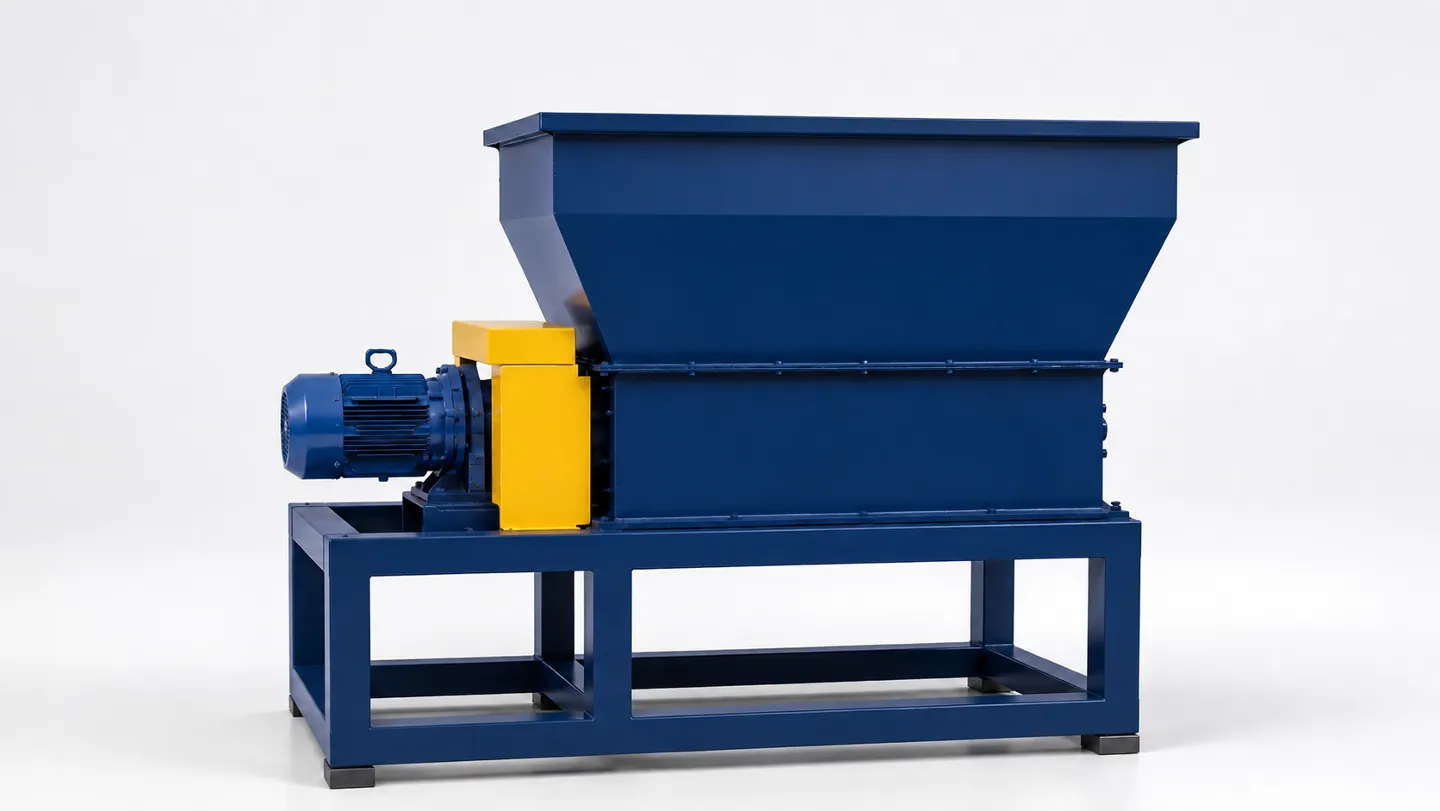
Prepare Bottles for the Next Stage
Plastic Bottle Piercing for Full-Bottle Recovery
A bottle piercing machine creates openings that allow contents to escape. For liquid-filled PET waste, the piercing stage needs to work together with liquid collection and bottle discharge.
Full & Partially Filled Bottles
Review the machine for rejected or returned bottled products and PET containers with residual liquid. Specify the bottle shape, closure, fill level, and contents when requesting a configuration.
Release Trapped Contents
Piercing opens a path through the bottle wall so liquid can drain. The amount of residual liquid depends on the openings, bottle orientation, liquid properties, and time allowed for drainage.
Plan Two Discharge Streams
Route the pierced bottles to the next recycling stage and collect the released liquid separately. Define both outlets before fixing the machine layout or feed rate.
Working Sequence
How the PET Bottle Perforator Works
The demonstration shows bottles entering rotating toothed rollers. A complete installation also needs a suitable feed arrangement, a liquid collection route, and a defined destination for the pierced bottles.
Feed the Bottles
Present suitable bottles to the infeed at a controlled rate. Match the loading arrangement to bottle dimensions and the upstream supply.
Pierce the Bottle Walls
The rotating toothed elements engage the bottles and create openings as the material passes through the working zone.
Collect Released Liquid
Direct the liquid into the specified collection and drainage equipment. Allow for the contents, expected flow, and cleaning access.
Transfer the Bottles
Send pierced bottles to further draining or the next recycling operation. Match the discharge arrangement to downstream equipment.
Feed the Bottles
Present suitable bottles to the infeed at a controlled rate. Match the loading arrangement to bottle dimensions and the upstream supply.
Pierce the Bottle Walls
The rotating toothed elements engage the bottles and create openings as the material passes through the working zone.
Collect Released Liquid
Direct the liquid into the specified collection and drainage equipment. Allow for the contents, expected flow, and cleaning access.
Transfer the Bottles
Send pierced bottles to further draining or the next recycling operation. Match the discharge arrangement to downstream equipment.
Match Piercing and Drainage to Your Process
Key considerations for connecting bottle feeding, liquid transfer, and downstream processing.
Liquid Handling & Conveying
For a full-bottle recovery project, start with what is inside the bottles and where each output will go. Liquid collection and transfer need to accommodate the expected flow without obstructing bottle discharge.
Suitable conveyors can connect the feed and discharge points. Where the project calls for plastic reprocessing, review the downstream stages of a PET bottle washing and recycling system.
Confirm the Required End Result
Specify whether the objective is draining liquid-filled bottles, releasing air ahead of compaction, or preparing containers for further recycling. These duties require different feed and discharge arrangements.
For a pre-baling application, confirm suitability and outlet compatibility with the selected baler. Piercing alone does not define a finished flake size or a guaranteed residual-liquid level.
Watch the PET Bottle Perforator in Operation
See the toothed piercing rollers in action, puncturing full PET bottles for rapid liquid drainage and downstream processing.
Equipment Gallery
Key equipment views showing the overall perforator unit and close-up of the toothed piercing rollers.
PET Bottle Perforator Machine
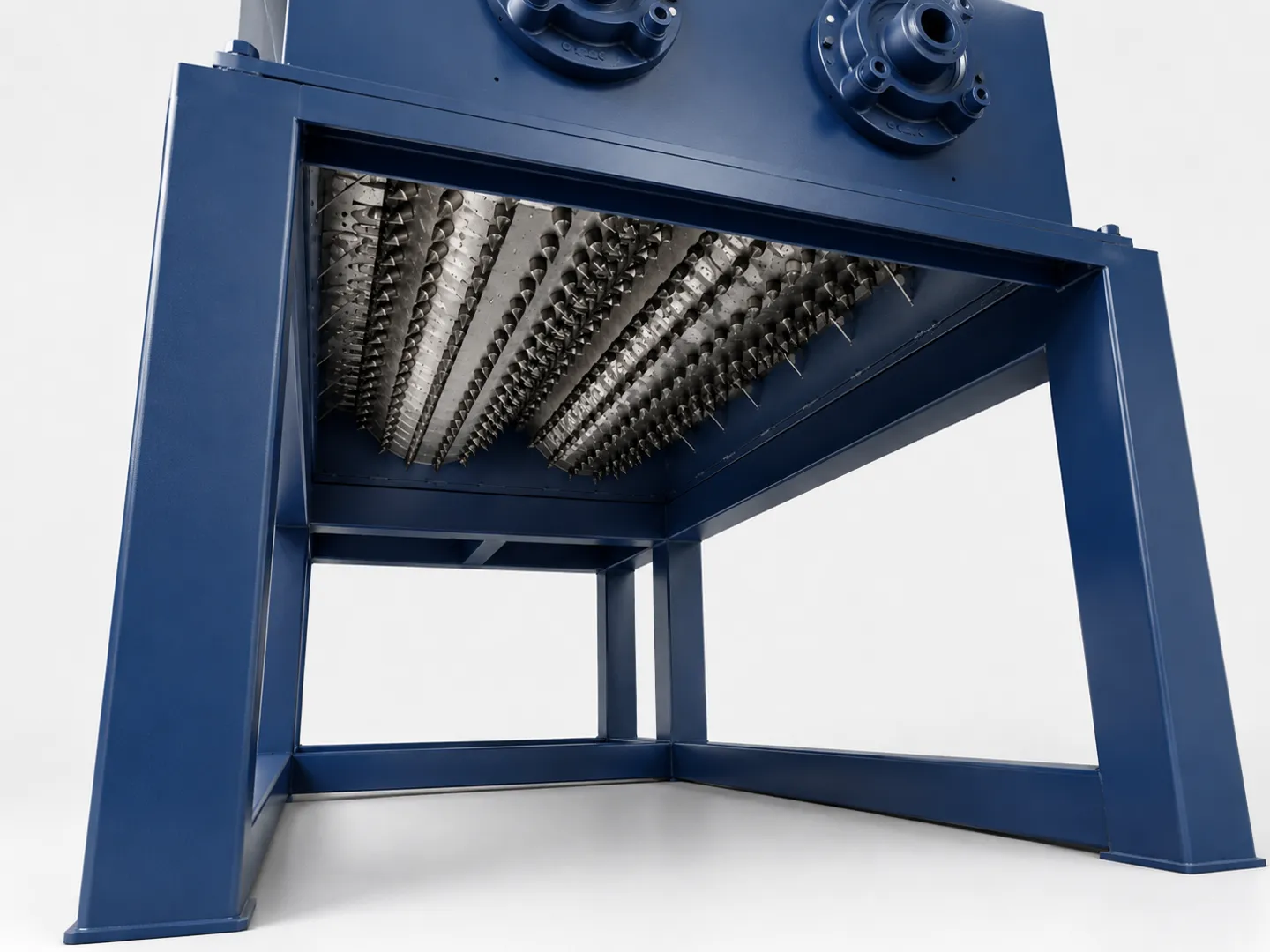 Toothed Piercing Rollers & Working Chamber
Configure the Machine for Your Bottles
Use these inputs to establish the machine size, liquid-handling requirements, and quotation scope. Power, dimensions, and achievable throughput are confirmed for the selected configuration.
| Selection Item | Information to Confirm |
|---|---|
| Bottle & Closure | PET bottle shape, minimum and maximum dimensions, wall thickness, and cap or closure type. |
| Liquid Content | Typical fill level, liquid type, viscosity, solids, and cleaning requirements for contact surfaces. |
| Required Throughput | Target bottles/h and average filled-bottle weight. State clearly whether a kg/h target includes the liquid. |
| Feed Arrangement | Manual or conveyor loading requirements, incoming bottle distribution, and available infeed height. |
| Drainage & Collection | Required liquid collection, drainage connections, receiving tank, and transfer or treatment equipment. |
| Bottle Discharge | Required outlet height, transfer conveyor, and next operation: further draining, washing, size reduction, or approved compaction. |
| Machine & Electrical Details | Motor power, voltage, frequency, overall dimensions, controls, guarding, and maintenance access for the selected configuration. |
← Swipe horizontally to view full table specifications →
Perforator, Debaler, or Granulator?
Select the equipment according to the incoming material and required output. Each machine performs a different operation.
Bottle Perforator
Input: Individual bottles requiring puncturing.
Purpose: Open the bottle walls to release trapped liquid or air.
Output: Pierced bottles and released contents.
PET Bottle Debaler
Input: Compressed bottle bales.
Purpose: Open and loosen the bale for feeding.
Output: Loose bottles for downstream processing.
Plastic Granulator
Input: Suitable plastic feedstock.
Purpose: Cut material into smaller regrind or flakes.
Output: Size-reduced material for further processing.
Frequently Asked Questions
Key questions regarding PET bottle piercing performance, liquid drainage, and line integration.
A PET bottle perforator punctures bottle walls so trapped air or liquid can escape. In a full-bottle application, the aim is to open the containers for liquid drainage and subsequent bottle handling. It does not replace a granulator when the required output is small plastic flakes.
Yes. PET bottle perforator, plastic bottle piercing machine, and bottle puncturing machine describe the same basic function: making openings in bottles. The feeding arrangement, piercing components, drainage system, and intended application still need to be checked for the selected machine.
The demonstrated application is piercing full PET bottles. For your material, confirm bottle dimensions, cap type, fill level, liquid properties, and required feed rate. Representative bottles help establish whether the proposed configuration provides the required piercing and drainage performance.
The installation needs a defined route to collect and transfer released liquid separately from the bottles. Collection trays, drainage connections, receiving tanks, and any further liquid treatment must be specified for the project. The perforator itself does not treat or purify the drained liquid.
Bottle perforation can release trapped air before compaction. Full-bottle drainage and pre-baling preparation have different integration requirements, so confirm the intended duty, liquid collection, discharge arrangement, and baler compatibility for this machine before specifying that route.
A debaler opens compressed bottle bales into loose bottles for feeding into a recycling line. A perforator pierces individual bottles to release air or liquid. Choose according to the incoming material: compressed bales need debaling, while bottles that require puncturing and drainage need a perforation stage.
These are confirmed in the project quotation after reviewing your bottles, liquid content, target throughput, electrical supply, and integration requirements. Provide bottles per hour and the average filled-bottle weight where possible; a kg/h figure must state whether it includes the liquid. Machine dimensions and delivery timing are also confirmed for the selected configuration.
Discuss Your Application
Request a Bottle Perforator Quote
Share the bottle details and required output so we can review piercing, drainage, and integration for your project.
- Bottle size, polymer, cap type, and photos
- Liquid contents and typical fill level
- Target bottles/h and available electrical supply
- Upstream equipment and downstream process