Data reviewed: 12 August 2026. PVC production and disposal statistics are often combined from sources with different years, regions and definitions. This guide...
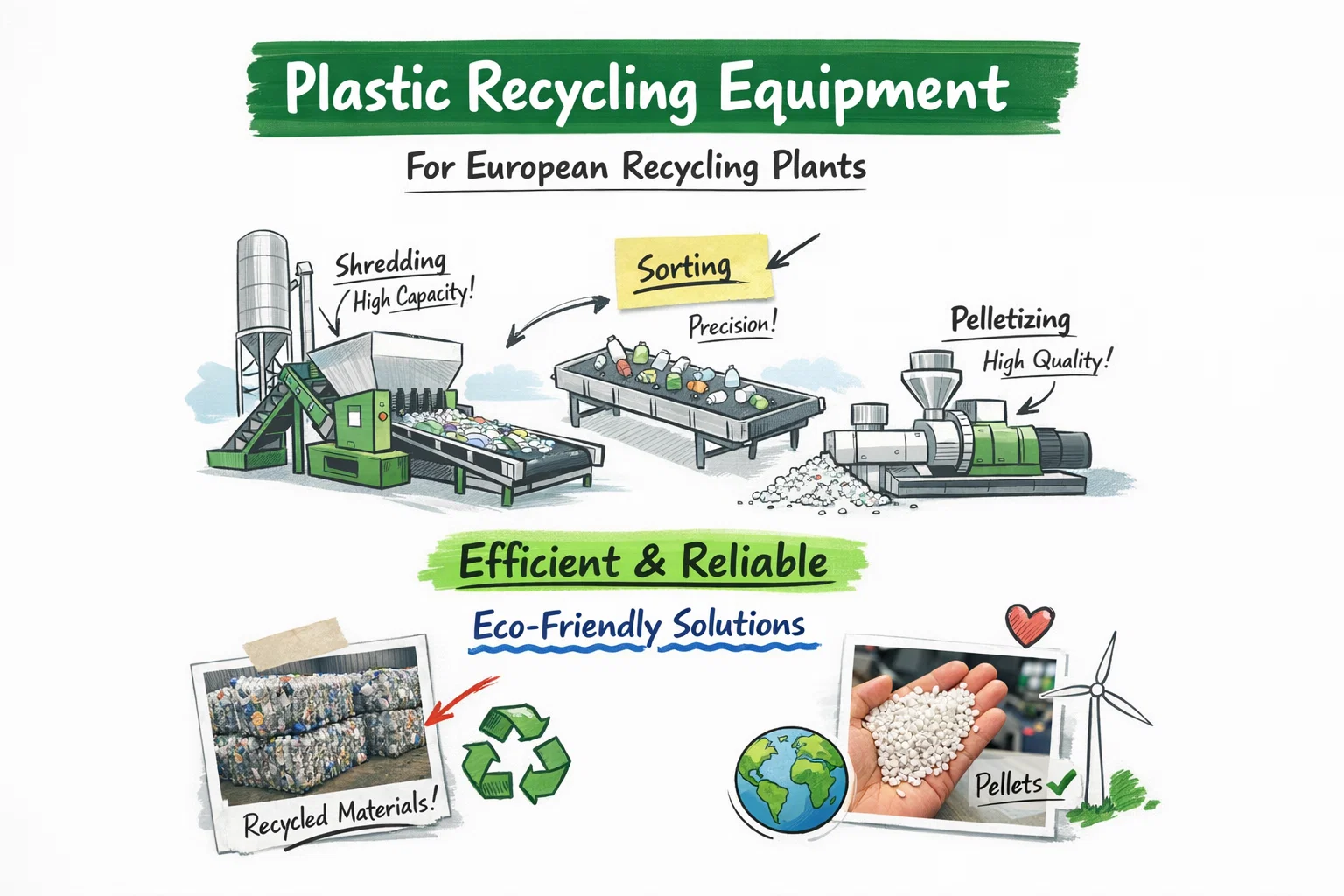
Buying plastic recycling equipment for a European plant requires more than matching throughput and price. The purchaser must define the waste stream, output spe...
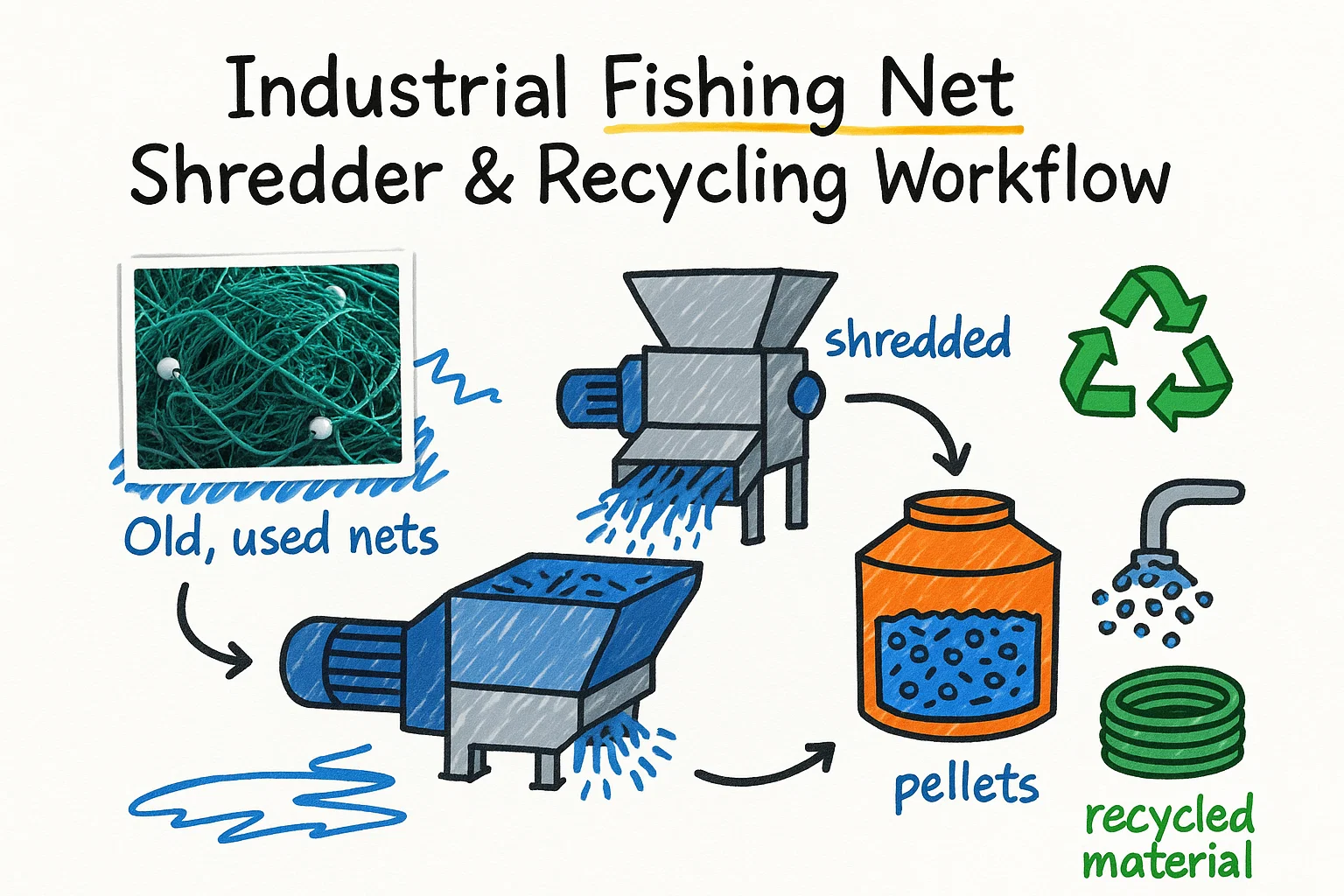
Fishing-net recycling starts with material identification, not shredding. Nets and ropes may contain PA6, PA66, HDPE, PP, PET, mixed fibers, coatings, floats, w...
EVA foam can be recycled, but the route depends on whether the material is thermoplastic or crosslinked, how it was formulated, and what contamination or bonded...
If you work with plastic pellets, flakes, or regrind, you know that surface moisture is a persistent challenge. Understanding how centrifugal dryers for plastic...
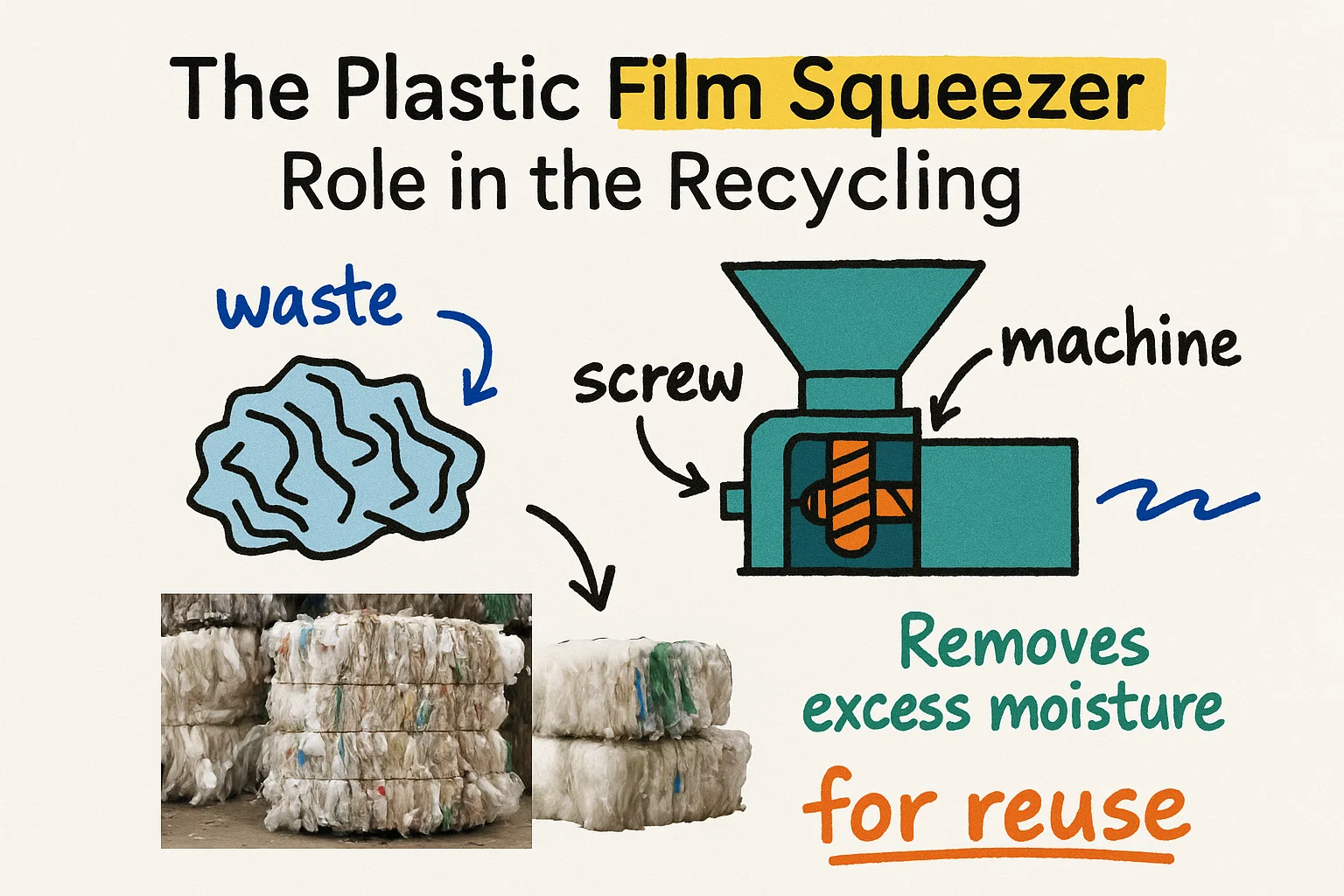
A plastic film squeezer removes water from washed PE or PP film and compacts the light flakes into a denser, more stable feed. It sits between washing and extru...
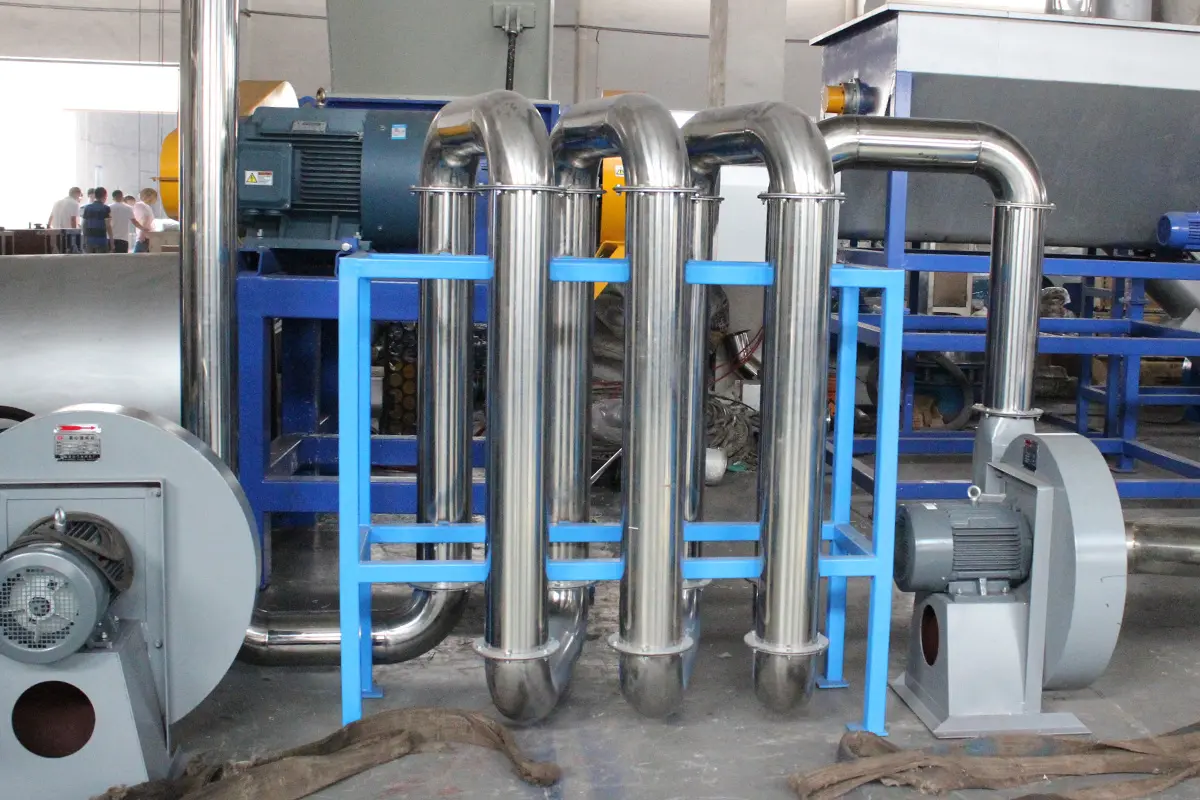
A thermal drying machine in a plastic washing line uses heated air to remove moisture that remains after mechanical dewatering. It should be selected from the p...
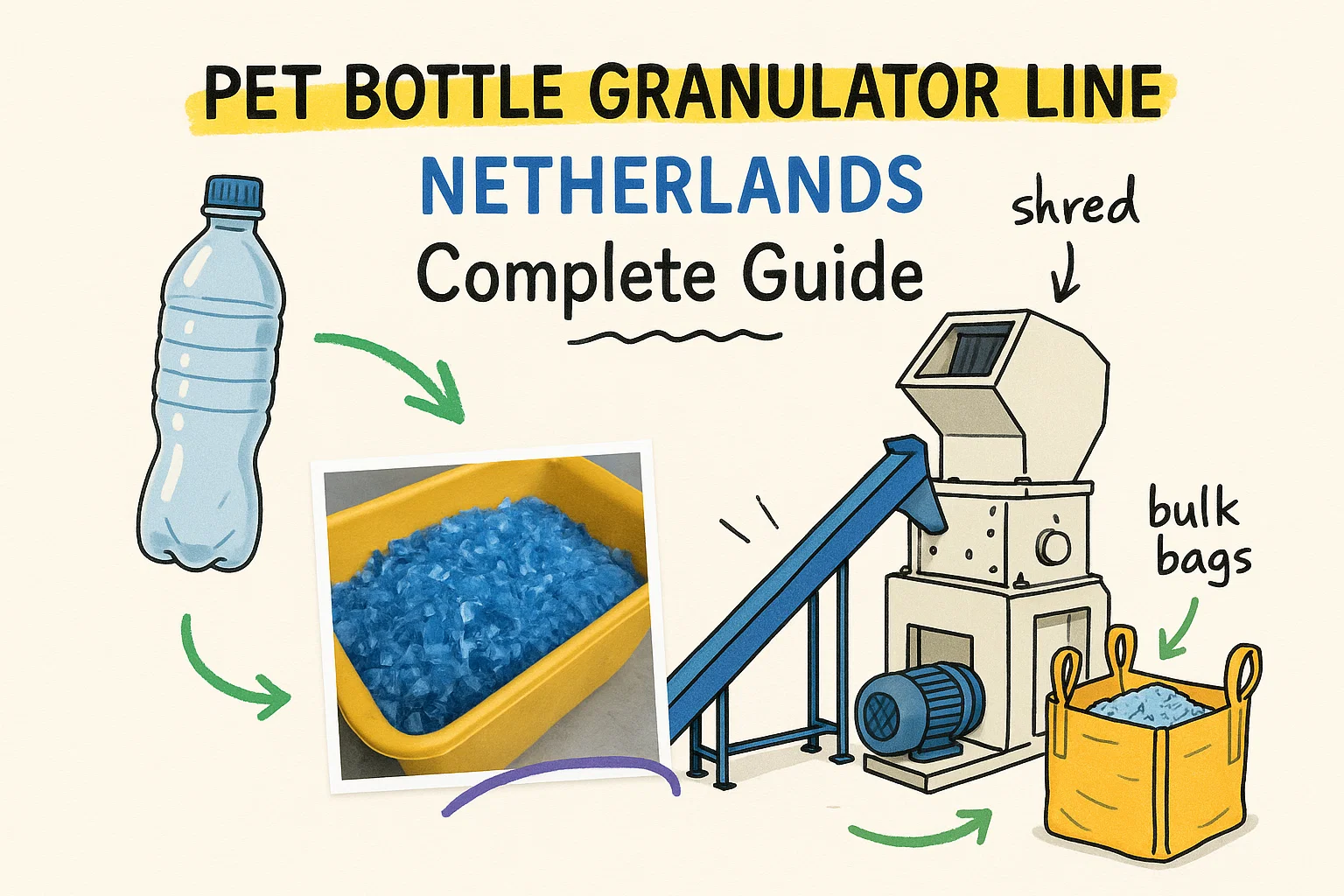
A PET bottle granulator line for the Netherlands should be specified as part of a complete material and compliance plan. The granulator determines flake size an...
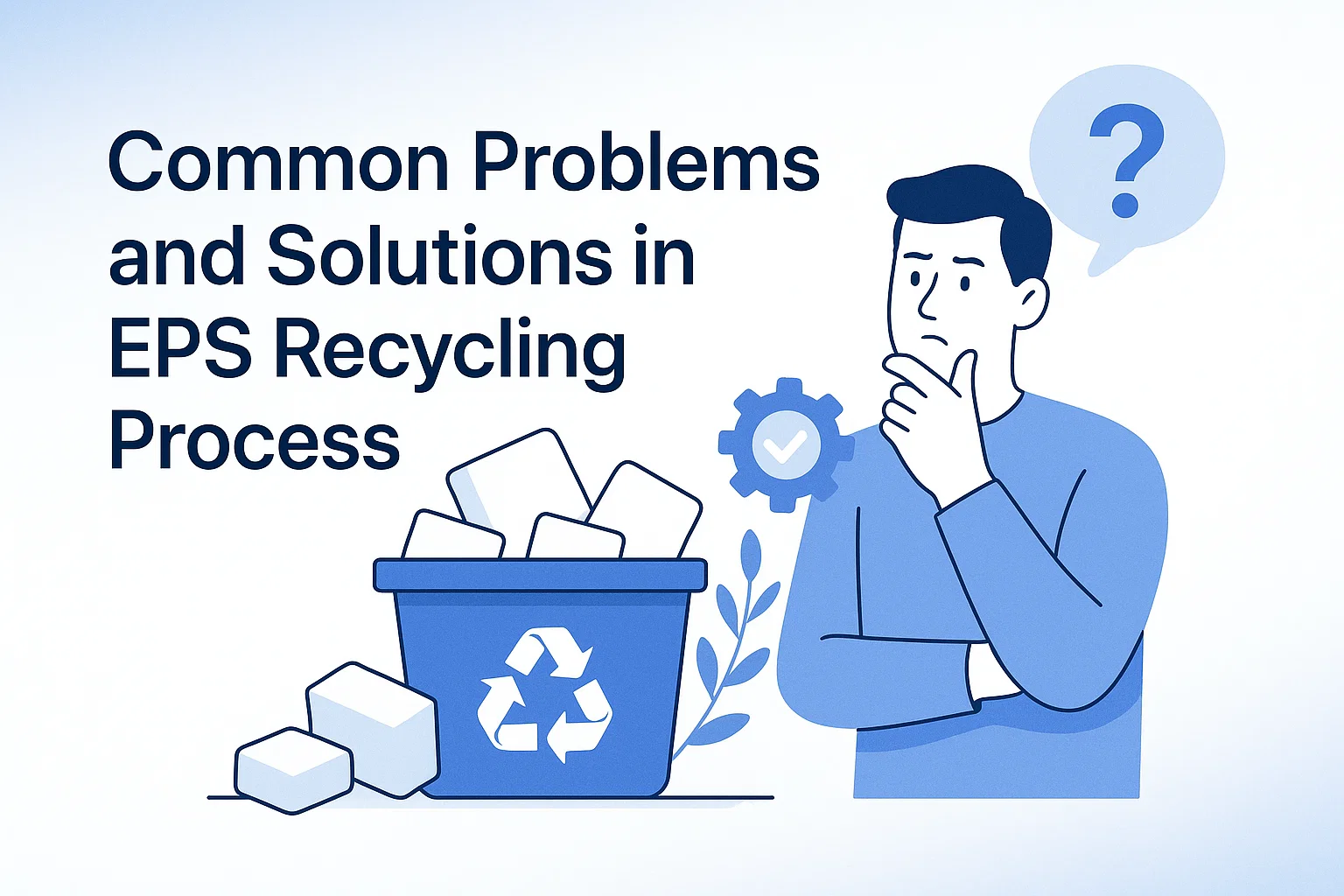
Most EPS recycling problems can be traced to four areas: unsuitable feed, unstable material delivery, poorly controlled densification and an output that does no...
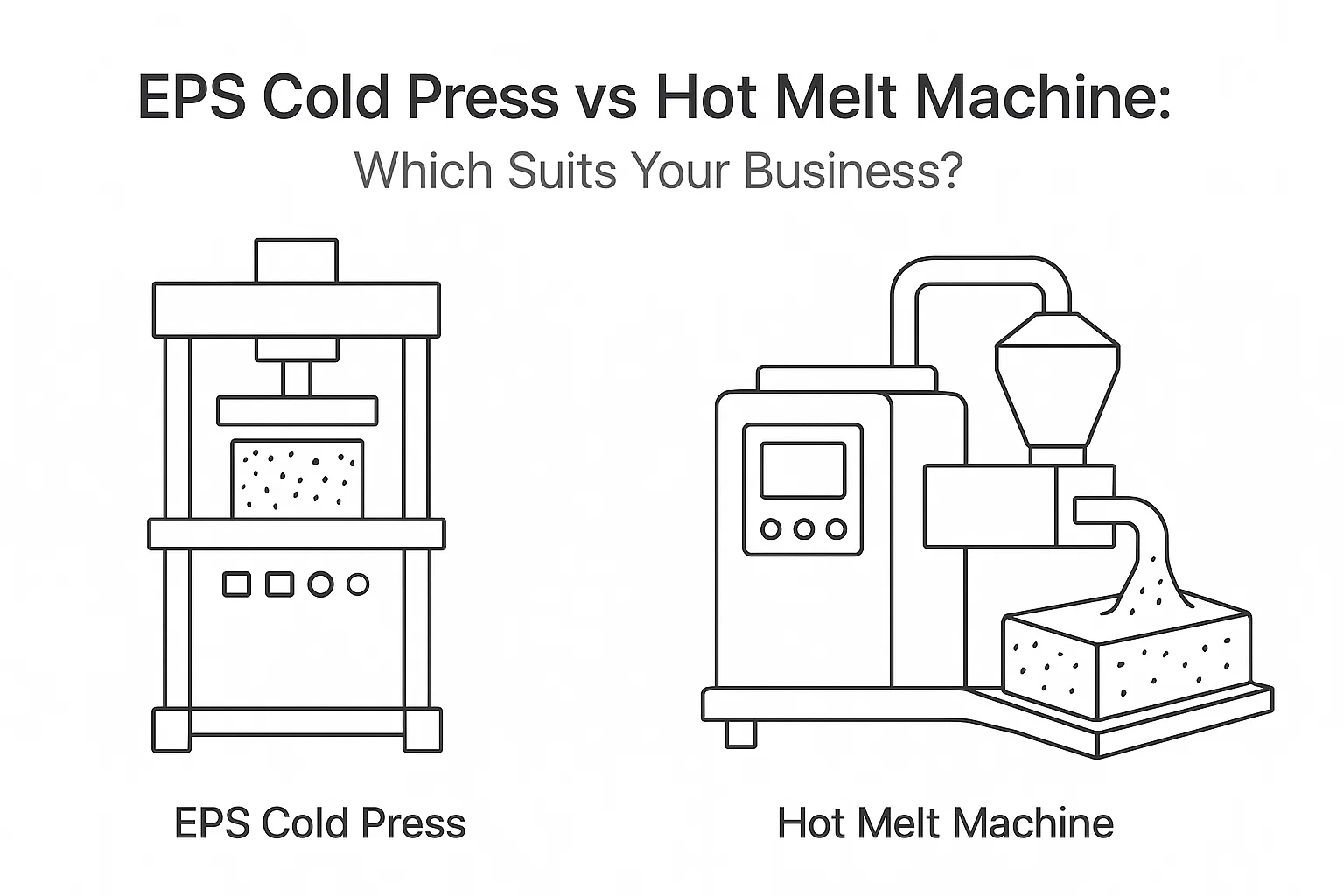
Choosing between an EPS cold press and an EPS hot melt densifier is mainly a decision about feed cleanliness, required shipping form, utilities, ventilation, op...