PP/PE 플라스틱 필름 파쇄 및 고밀도화 라인

PP/PE 필름 쇼딩 및 덴시파이션 시스템

PP/PE 플라스틱 필름 파쇄 및 밀도화 라인

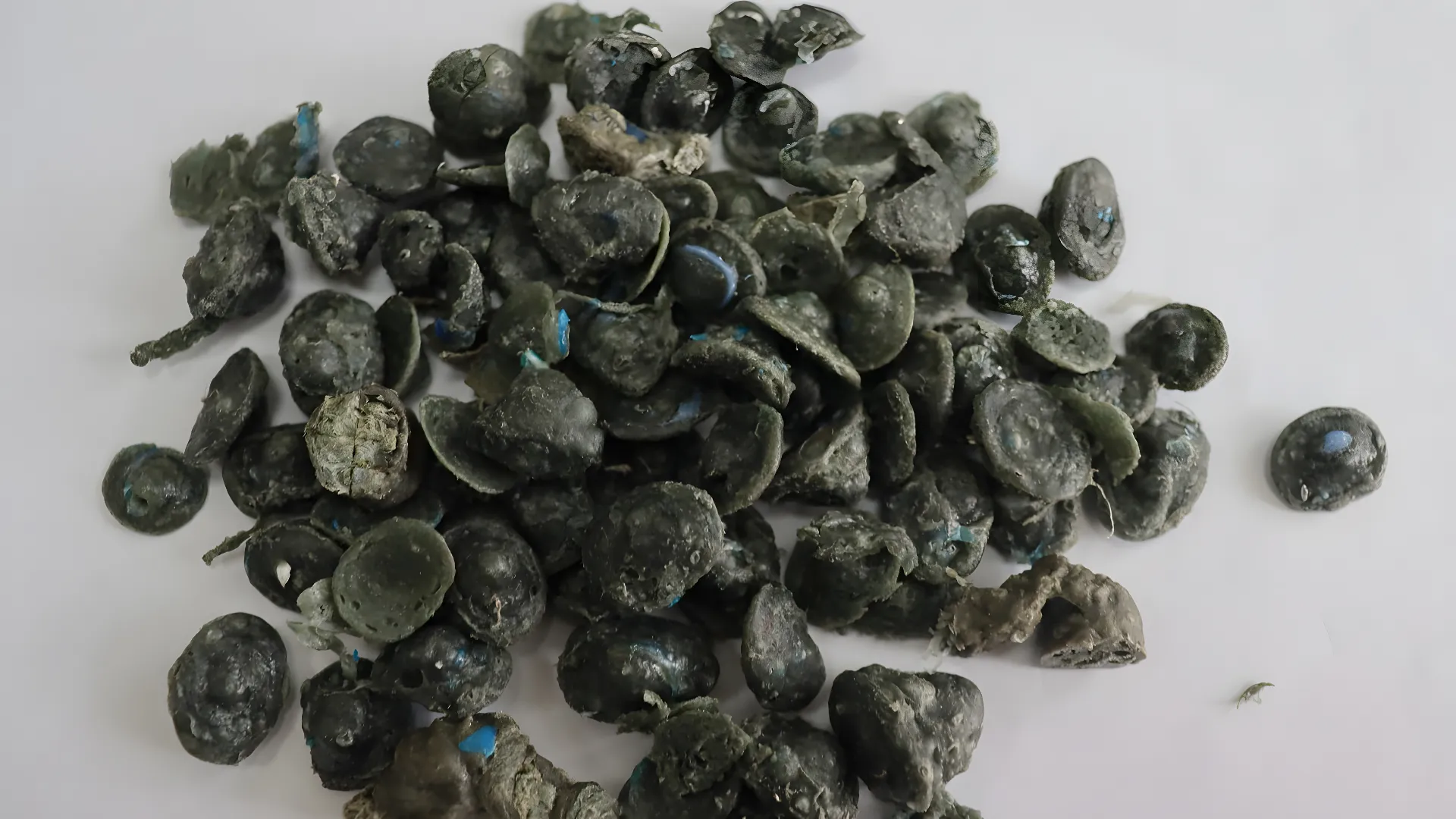
압축 베일 상태이거나 오염되었거나 느슨한 PP/PE 필름 스크랩을 파쇄, 습식 크기 감소, 세척, 분리, 압착 건조를 결합한 컴팩트한 공정을 통해 깨끗한 고밀도 플레이크 또는 불규칙 펠렛으로 전환하여 저장과 후단 압출을 더 쉽게 만듭니다.
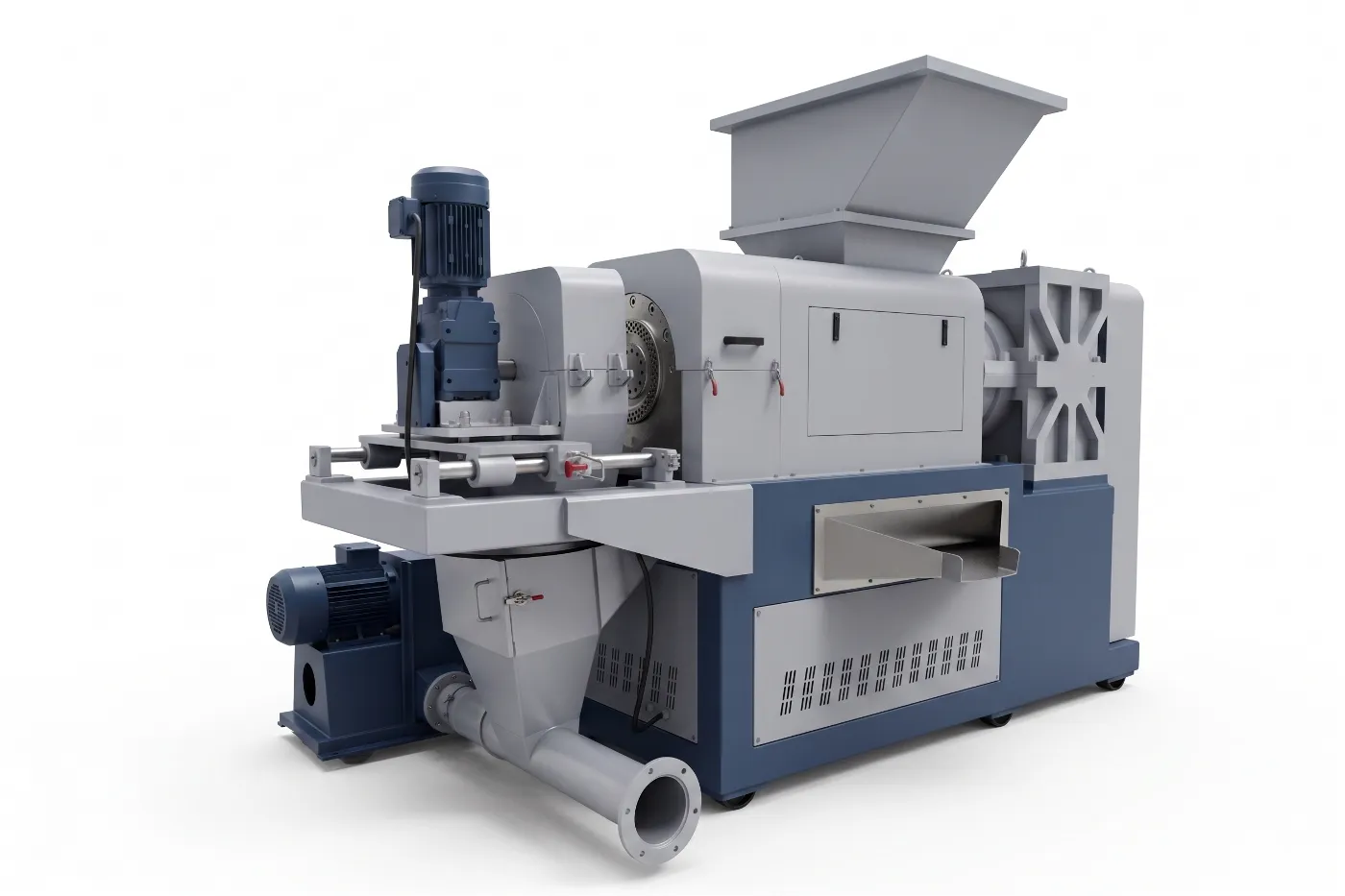
PP PE 플라스틱 필름 파쇄 및 고밀도화 라인

이 필름 파쇄 및 밀도화 라인을 선택해야 하는 이유

이 라인은 부피가 너무 크거나, 오염되었거나, 불안정하여 펠릿화 공정으로 바로 옮길 수 없는 플라스틱 필름 스트림을 위해 설계되었으며, 재사용 전에 세척 및 밀도 개선이 모두 필요합니다.

이 파쇄 및 고밀도화 라인은 당사의 엔드투엔드 재활용 솔루션, 오염된 PP/PE 필름을 펠릿화할 수 있는 깨끗하고 밀도가 높은 출력물로 변환하도록 설계되었습니다.

종단간 효율성

파쇄, 세척, 분리 및 압착 압축 공정이 하나의 통합된 경로로 연결되어 기계 간 이송 손실과 수작업을 줄입니다.

더 높은 부피 밀도

압착 건조 단계는 느슨한 필름 조각을 보관, 운송 및 압출 장비에 공급하기 쉬운 더 조밀한 배출 재료로 변환합니다.

오염 준비 완료

습식 과립화, 침강/부유 분리 및 마찰 세척은 사용 후 필름과 농업용 필름에서 모래, 종이, 라벨 및 현장 오염 물질을 제거하는 데 도움이 됩니다.

안정적인 습도 조절

밀도 강화 건조기는 최종 수분 함량을 포장, 보관 및 안정적인 펠릿 제조에 필요한 수준으로 낮춰주므로, 과도한 열 건조 방식에만 의존할 필요가 없습니다.

다양한 사료 조건에 맞춘 모듈형 설계

세척 강도, 수처리 및 압축 용량의 변경을 통해 오염된 베일 필름, 농업용 멀치, PP 직조 백 스크랩 또는 더 깨끗한 산업용 필름에 맞춰 경로를 조정할 수 있습니다.

동영상 시연

이 생산 라인이 흩어진 필름을 잘게 썰고, 세척하고, 압축하여 더 밀도가 높고 다루기 쉬운 재활용품으로 만드는 과정을 살펴보세요.

작동 순서

라인 작동 방식

이 시스템은 필름 부피를 줄이고, 심한 오염 물질을 제거하며, 저장 또는 펠릿화 전에 출력 밀도를 높입니다.

1

짚단 개봉 및 파쇄

압축된 필름 베일이나 부피가 큰 흩어진 폐기물은 개봉 후 파쇄되어 습식 공정을 더욱 고르게 통과할 수 있는 안정적인 투입 크기로 만들어집니다.

베일 사전 분쇄
2

습식 과립화

잘게 찢은 필름은 습식 절단 방식으로 조각내어 세척이 용이하며, 동시에 오염물질 제거의 첫 단계를 시작합니다.

습식 절단 Flake Prep
3

Sink Float Separation

세척조는 모래, 돌, 금속과 같은 무거운 불순물을 분리하는 동시에 PP/PE 필름은 목표 회수 흐름에 유지합니다.

밀도 심각한 불량품
4

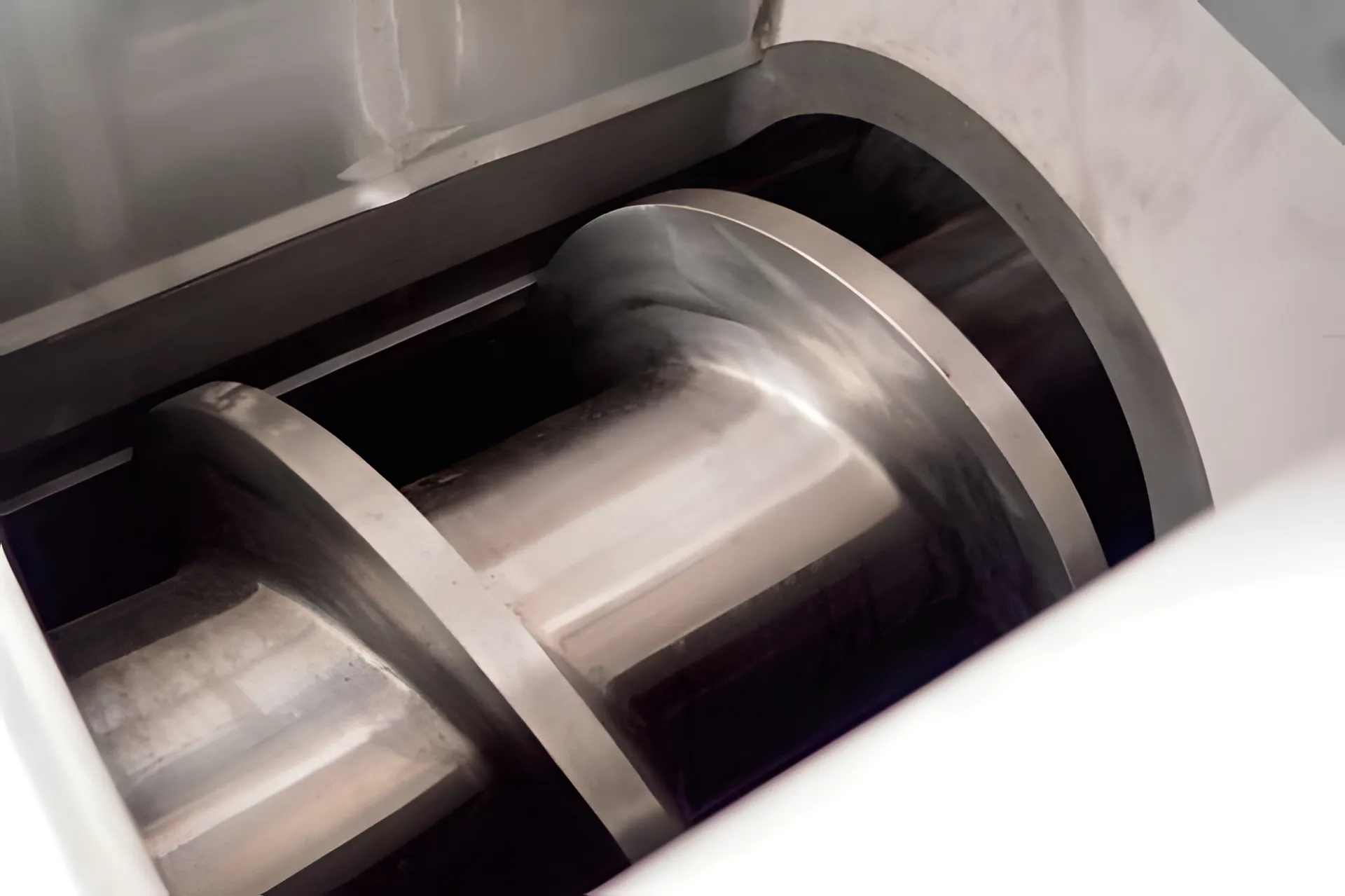
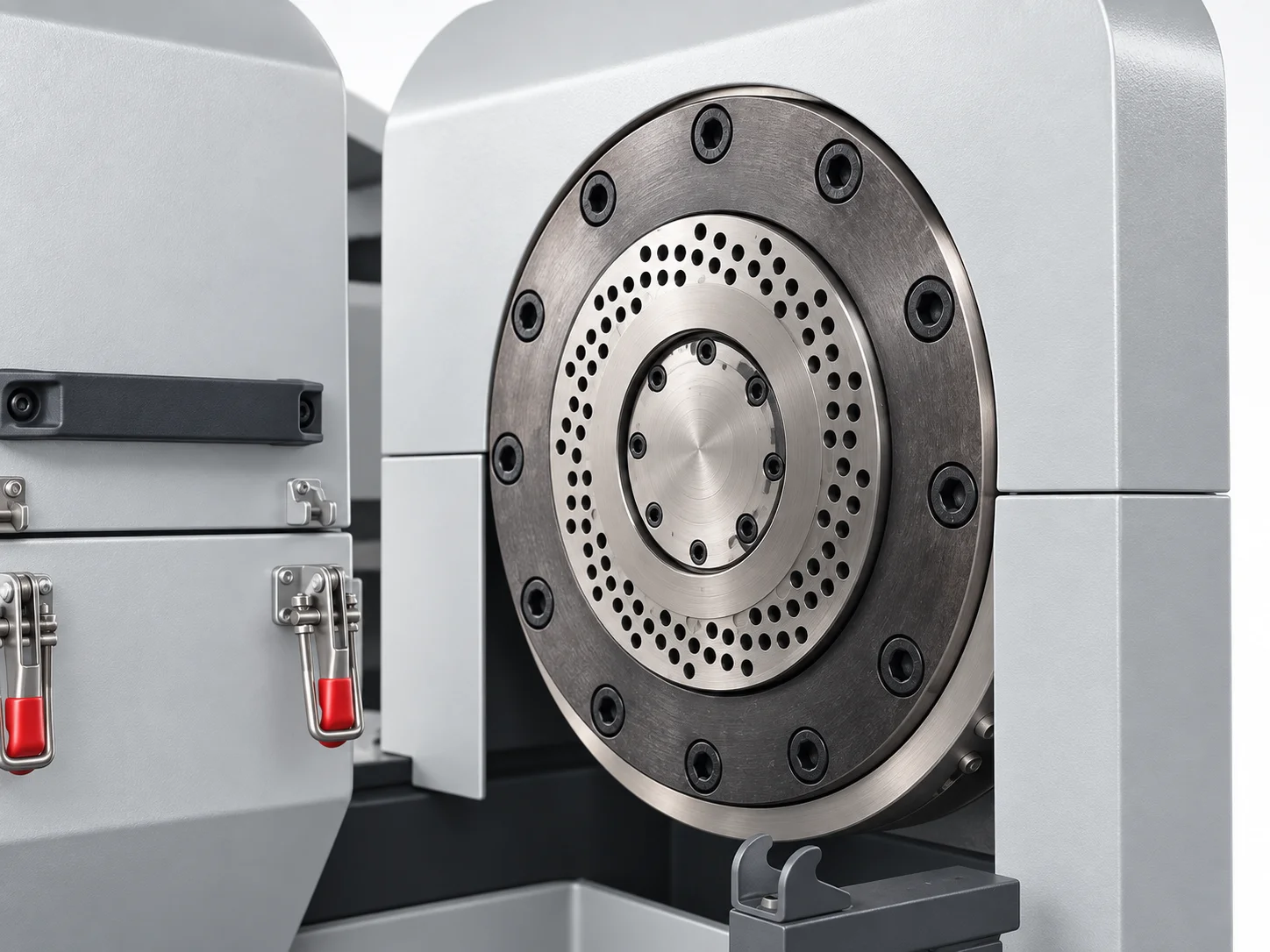
압착 건조 및 밀도화

세척된 필름 조각은 기계적으로 압착되고, 부분적으로 건조되고, 압축되어 포장, 완충 및 펠릿화 공정에 투입하기 쉬운 형태로 만들어집니다.

건조 밀도를 높이는
1

짚단 개봉 및 파쇄

부피가 큰 필름은 안정적인 이송을 위해 개봉 후 미리 재단됩니다.

베일 사전 분쇄
2

습식 과립화

습식 절단은 재료를 세척하기 쉬운 조각으로 만듭니다.

습식 절단 Flake Prep
3

Sink Float Separation

PP PE 타겟 스트림에서 심한 오염 물질이 걸러집니다.

밀도 심각한 불량품
4

압착 건조 및 밀도화

세척된 필름은 건조 및 고밀화 과정을 거쳐 후속 처리가 용이해집니다.

건조 밀도를 높이는

적용 분야

이 생산 라인은 재사용, 운송 또는 펠릿화 전에 세척 및 부피 밀도 개선이 모두 필요한 유연한 PP 및 PE 폐기물에 적합합니다.

농업용 필름

흙과 모래 함량이 높아 더 강력한 세척 및 수처리가 필요한 멀칭 필름 및 온실 필름.

PP 직조물 및 라피아 스크랩

직조 백과 라피아 자투리는 압출 전에 파쇄, 습식 절단 및 고밀도 배출 과정을 거치면 품질이 향상됩니다.

고밀도 출력 처리

고객이 사일로 완충, 포장, 운송 또는 보다 안정적인 펠릿 제조기 공급을 위해 더 높은 생산 밀도를 원할 때 적합합니다.

통합 재활용 프로젝트

이 제품은 오염물질 제거와 최종 압출 준비 사이의 연계를 강화하고자 하는 세척-펠릿 공정 공장에서 특히 효과적입니다.

오염도가 다양한 물질 흐름

모듈식 공정은 고정된 필름 세척 구성 하나를 강요하는 대신, 베일 밀도, 수분 오염, 수분 목표치 및 하류 펠릿 품질에 맞게 조정할 수 있습니다.

Decision Framework: How to Specify a Film Shredding & Densifying Line

A three-axis decision: throughput capacity, feedstock condition, and downstream output target. Lock all three before requesting equipment quotes.

Step 1: Match Capacity to Daily Throughput

Capacity is rated in kg/h. Convert annual feedstock tonnage to a capacity tier by dividing annual tons by 250 working days × 16 production hours (two-shift operation), plus 20% headroom for downtime and feedstock surge. A plant processing 4,000 t/year of post-consumer film needs 4,000,000 ÷ (250 × 16) × 1.2 = 1,200 kg/h, rounded up to a 1,500 kg/h tier.

Step 2: Match Configuration to Feedstock Condition

Film feedstock falls into three contamination grades. Clean post-industrial film (factory off-cuts, color-sorted) needs only the basic shredding plus densifying module — cold-wash optional. Post-consumer flexible packaging film (curbside collection, MRF output) needs full sink-float separation plus friction wash. Heavily contaminated agricultural film (mulch film with soil, irrigation tape with mineral residue) needs an extended pre-wash, double-pass friction washing, and frequently a second sink-float stage to handle the soil load.

Step 3: Match Output to Downstream Use

The next stage of the recycling chain dictates what densifier output works. In-house pelletizing needs densified flake at 0.30–0.45 g/cm³ bulk density and under 5% moisture — ready for direct extruder loading. Sale to a third-party pelletizer needs densified flake at 0.40–0.55 g/cm³ for transport efficiency and consistent buyer specs. Direct sale as densified regrind needs higher bulk density (0.50–0.65 g/cm³) plus tighter moisture control (under 3%) to meet end-buyer warehousing specs. Confirm the buyer or downstream extruder specification in writing before sizing the line.

Decision Matrix

용량Clean post-industrial → densified flakePost-consumer → in-house pelletizingHeavily contaminated → densified for sale
500kg/시Compact line, basic washStandard line + sink-floatExtended pre-wash + double friction
1,000kg/시Standard line, basic washStandard line + sink-float + dryerExtended pre-wash + double friction + 2-stage sink-float
2,000 kg/hStandard high-throughput lineStandard line + 2-stage wash + dryer전체 구성 + 닫힌 루프 물
3,000 kg/h고성능 라인 + 버퍼 silo전체 구성 + 버퍼 silo전체 구성 + 닫힌 루프 물 + 버퍼 silo
구성은 유형적인 Energycle 설치를 보여줍니다. 닫힌 루프 물(2,000 kg/h 이상의 공장이나 물이 부족한 지역에서 권장)은 용량에 따라 35,000-95,000 달러 추가됩니다.

용량 구성: 500, 1,000, 2,000, 및 3,000 kg/h 라인

2026년에 가장 일반적인 용량 단계인 4개의 용량 단계의 사양 및 CapEx 범위.

필름 쪼개기와 밀도화 라인은 네 가지 표준 용량 단계로 확대됩니다. 500 kg/h에서 3,000 kg/h로의 단위당 처리 비용은 28%에서 하락합니다. 이는 8,000 t/년 이상의 원료 공급이 확인된 운영자가 대부분 2,000 kg/h 이상을 지정하는 이유입니다.

사양500 kg/h entry1,000 kg/h mid-volume2,000 kg/h 상업용3,000 kg/h 산업용
Total power (kW)180320560820
물 (m³/t 출력)2.42.01.71.5
Operators per shift3456
footprint (m²)240420650900
출력 체적 밀도 (g/cm³)0.35-0.450.40-0.500.45-0.550.50-0.60
출력 습도 (%)4-63-52-42-4
Annual capacity (t)2,0004,0008,00012,000
Typical CapEx (USD)180k-260k340k-460k620k-820k880k-1.15M
CapEx 범위는 2026년 2분기 기준으로 일반적인 Energycle 필름 라인 구성의 FOB 중국을 반영합니다. 설치, 토목 공사, 관세 및 운송은 제외됩니다.

500 kg/h: Entry-Level Commercial

500 kg/h 단계는 가장 작은 상업적으로 효율적인 소비자 필름 라인입니다. CapEx은 250k 미만으로, 한 셋의 운영자가 한 셋의 셔프를 덮어 생산을 관리하며, 장비는 240 m²의 홀에 맞습니다. 이 단계의 공장은 지역 시장을 서비스합니다. 단일 성이나 도시에서 수집된 필름 스트림.

1,000 kg/h: Mid-Volume Workhorse

1,000 kg/h 단계는 전 세계적으로 가장 일반적으로 판매되는 PP/PE 필름 구성입니다. 단위당 처리 비용은 점진적으로 최소치에 접근하며, 상환 기간은 26-36 개월로 줄어듭니다. 장비는 표준 25 m × 17 m 홀에 맞습니다. 이 단계는 원료 공급이 3,500 t/년 이상 확인된 새로운 필름 재활용자에게 권장된 시작점입니다.

2,000 kg/h: 상업 규모

2,000 kg/h 단계는 지역 MRF 운영자와 내부에서 펠릿을 만드는 통합 필름 재활용 공장을 서비스합니다. 두 셋의 셔프 운영은 8,000 t/년을 처리하며, 이는 두 개의 펠릿 라인을 공급하거나 지역 주입 성형 클러스터에 공급하는 데 충분합니다. CapEx은 600k 이상이며, 토목 공사(기초, 물을 뽑는 가로수, 배수)는 추가로 25-30%를 추가합니다.

3,000 kg/h: 산업 규모

3,000 kg/h 단계는 국가 운영자와 내부에서 필름 재귀인을 시트, 섬유, 또는 strap으로 만드는 통합 생산자를 서비스합니다. 두 셋의 셔프 운영으로 연간 용량은 12,000 t에 달합니다. 닫힌 루프 물은 이 규모에서 필수가 됩니다. 이 규모에서는 신 frsh-water 수요가 1.5 m³/t 출력을 초과하기 때문입니다. 전체 설치 비용(장비 + 토목 + 공급)은 1.4-1.8M 달러에 달합니다.

필름 라인 비용: 3년 총 소유 비용

CapEx은 3년 소유 비용의 첫 35-45%에 불과합니다. 전력, 물, 노동, 소모품은 3년차에 초기 장비 비용을 초과합니다.

두 개의 필름 라인 견적을 비교하는 구매자는 소모품, 물, 중단 시간을 고려할 때 더 저렴한 라인이 3년 동안 더 비쌌다는 것을 자주 발견합니다. 습식 granulator 날이나 마찰 와셔 스크린 교체는 가장 많이 변동하는 비용입니다.

Cost component500kg/시1,000kg/시2,000 kg/h
CapEx (mid-range)220,000400,000720,000
Power (3 yr @ USD 0.10/kWh)52,00092,000161,000
물 (3년 @ USD 1.20/m³)17,00029,00049,000
Labor (3 yr @ USD 600/op·month)194,000259,000324,000
Maintenance (5% CapEx/yr)33,00060,000108,000
습식 과립기 블레이드22,00038,00072,000
Friction washer screens9,00016,00030,000
Squeezer / densifier wear parts15,00026,00048,000
3-year total (USD)562,000920,0001,512,000
Per-ton processing cost (USD)947763
Assumes 16 hr/day × 250 day/year operation, post-consumer feedstock with sink-float wash, USD 0.10/kWh grid power, USD 1.20/m³ industrial water, USD 600/operator/month labor (typical SE Asia / MENA / LATAM range, 2026).

Per-ton processing cost drops 33% from 500 to 2,000 kg/h. This is why operators with confirmed feedstock above 6,000 t/year almost never specify below 2,000 kg/h — the labor and overhead amortization wipes out any CapEx saving within 14–18 months.

Hidden Costs Most Quotes Skip

  • Civil works: 8–15% of equipment CapEx for foundations, drainage pit, dewatering trench
  • Closed-loop water treatment: USD 35,000-95,000 (mandatory in MENA, recommended above 2,000 kg/h)
  • Electrical incoming: Transformer upgrade and cables, often USD 15,000-50,000 for greenfield sites
  • First-year spare parts kit: 4-6% CapEx, typically quoted separately
  • Operator training: Two engineers on-site for two weeks, USD 8,000-15,000 per visit
  • Customs and import duty: 5-18% CIF in most emerging markets

기술 사양

PP/PE 필름 파쇄 및 고밀도화 프로젝트의 일반적인 계획 매개변수입니다. 실제 크기는 원료 오염도, 원하는 수분 함량 및 목표 밀도에 따라 달라집니다.

Specification Item 일반적인 범위
처리량 옵션 200~300kg/h, 500~700kg/h, 그리고 최대 1000kg/h
출력 양식 압착 건조 후 밀도가 높아진 플레이크 또는 불규칙한 펠릿 형태
체적 밀도 재질 및 수분 함량에 따라 약 350~410kg/m³입니다.
최종 수분 일반적으로 밀도 증가 배출 후 3~5%
전력 수요 용량 및 세척 단계에 따라 약 120~350kW입니다.
물 시스템 여과 기능이 있는 폐쇄형 순환 시스템 및 선택 사양으로 DAF(용존공기부상장치) 지원
통제 수단 HMI, 과부하 보호 및 연동 안전 장치가 내장된 PLC
Layout 모듈식 구성은 공장 부지 면적 및 하류 펠릿화 설비에 맞춰 조정되었습니다.

모바일에서 전체 표를 보려면 가로로 밀어 보세요.

Output Quality: Defects by Film Feedstock Type

Output bulk density and moisture are direct functions of feedstock condition. Knowing which defects appear with which feedstock prevents finger-pointing between equipment supplier and operator after commissioning.

Pelletizers and end-buyers reject densified film batches for inconsistent moisture, inadequate bulk density, or visible contamination. Each feedstock type generates a distinctive defect signature that the line configuration can mitigate — but only if specified upfront.

Feedstock conditionMost common defectRoot causeMitigation
Clean post-industrial filmStatic cling, irregular flake sizeDry shredding without wet stageAdd light water spray during cutting
Mixed post-consumer (clear + colored)Color contamination in densified outputNo upstream color sortingPre-sort by color before shredding
Mixed post-consumer with paper labelsPaper fiber in densified flakeFriction wash insufficient for adhesive labelsAdd hot wash or extended friction stage
Agricultural film (mulch, irrigation)Sand and soil contaminationSink-float tank under-sized for mineral loadAdd pre-wash drum + 2-stage sink-float
Greenhouse film (UV-degraded)Brittle flake, fines excessPolymer chain scission from sun exposureCannot recover top-grade — route to lower-spec end use
Bale stored over 6 months wetFungal contamination, odor in densified outputWet bale stored at high humidityReject feedstock or add chlorinated wash
Defect rates assume properly sized line at 80-95% nameplate throughput. Operating above 95% rated capacity introduces additional defects regardless of feedstock.

The most consequential defect is inconsistent moisture in densified output. Pelletizers fed with film at over 6% moisture experience melt-flow inconsistency and gel formation in the extruded pellet. Plants targeting in-house pelletizing should specify the squeeze-drying stage with closed-loop temperature control and a downstream thermal dryer for moisture under 3%.

Regional Adaptations for Emerging Markets

Western film line specifications fail predictably in emerging-market sites. Five engineering choices matter most across SE Asia, MENA, Africa, and LATAM.

Voltage and Frequency

Standard configurations ship at 380V/50Hz (China, Vietnam, Indonesia), 415V/50Hz (UK, Pakistan, India, much of Africa), or 440V/60Hz (Saudi Arabia, parts of LATAM). Specifying the wrong voltage means the entire motor and switchgear set arrives unusable — a 6-8 week rework with double shipping. Always confirm voltage in writing on the proforma invoice.

Water Scarcity and Closed-Loop Recycling

MENA, parts of Australia, and water-stressed African regions cannot supply 1.5-2.4 m³ fresh water per ton of densified output. A closed-loop water recycling system — sedimentation, screen filter, biological treatment, sometimes ultrafiltration — recovers 85-92% of process water and reduces fresh-water demand to 0.2-0.4 m³/t. Closed-loop CapEx adds USD 35,000-95,000, payback 14-22 months when fresh water exceeds USD 2/m³.

Spare Part Logistics

Lead time on a replacement granulator blade or friction washer screen from China to East Africa runs 28-42 days by sea, plus 7-14 days customs clearance. Plants 8,000+ km from the supplier need a first-year spare-parts kit covering 18 months of consumables on-site. Plants closer to the supplier (Vietnam, Indonesia, Philippines) can run lighter inventory with 14-21 day re-order cycles.

Climate and Dust

Film shredding and densifying generates fine plastic dust that settles inside electrical cabinets. Specify IP55 enclosure rating for control cabinets in arid regions (MENA, Northern Africa, parts of LATAM). Tropical regions (Indonesia, Philippines, parts of Brazil) need dehumidification on PLC enclosures to prevent condensation-induced contactor failure.

Operator Language and Training

The PLC HMI ships in English by default. For plants where shift operators do not read English, request Spanish, Arabic, Bahasa, French, or Vietnamese localization at the order stage. Adding it post-installation typically requires a controls engineer site visit at USD 4,000-7,000. Two-language HMI (English plus local) covers both expat managers and local operators.

8 Common Pitfalls When Buying a Film Shredding & Densifying Line

Eight buying mistakes account for the majority of post-installation regret. Use this list as a self-audit before signing any equipment purchase order.

  1. Sizing for nameplate capacity, not realistic throughput. Nameplate kg/h assumes ideal feedstock. Real-world throughput on dirty post-consumer film runs at 65-80% of nameplate. Size 25-35% above your annual tonnage target.
  2. Skipping the sink-float stage to save 12-18% of CapEx. Without sink-float, mineral and metal contamination passes through to the densifier and then to the pelletizer, causing gel formation and screen blockage. Adding sink-float later costs 60-85% more than specifying it upfront.
  3. Mixing components from multiple suppliers. Throughput mismatch between a Chinese shredder and a European densifier surfaces 4-6 months in, when the densifier runs starved or overloaded. Buy integrated or accept a written commissioning bond covering throughput loss.
  4. No factory acceptance test with your actual feedstock. A factory acceptance test (FAT) at the supplier’s plant — running production rate for 8 hours with your feedstock type — catches equipment defects before shipping. Skipping FAT trades USD 3,000-6,000 in travel for a 30-60 day site-commissioning recovery.
  5. Underspecifying the squeeze-drying stage. Output moisture above 6% rejects the densified flake from most pelletizer feed specs. Specify squeeze-drying capacity with 25% headroom over throughput, plus a downstream thermal dryer for moisture-sensitive end-buyers.
  6. Trusting the FOB quote as total cost. Add 25-35% for civil works, electrical incoming, water treatment, customs duty, and first-year spares. The all-in number is what matters for ROI calculation.
  7. Inadequate operator training contract. Standard contracts include 5-7 days of on-site commissioning. Operations stabilize at 10-14 weeks for film lines (longer than rigid plastic lines because feedstock is more variable). Negotiate a remote-support clause covering month 2 through month 6.
  8. Ignoring the wet granulator blade specification. Blade material — D2 tool steel vs SKD11 vs HVOF-coated — determines maintenance interval. SKD11 blades last 3-4× longer at 30-40% higher CapEx, paying back within 8-14 months on lines above 1,000 kg/h.

자주 묻는 질문

필름 세척, 건조, 밀도화 구성을 비교하는 구매자를 위한 간단한 답변입니다.

이는 부피가 큰 필름을 파쇄하고, 파쇄된 조각에서 오염 물질을 씻어낸 다음, 압착 건조하여 보관, 운송 또는 펠릿 제조 공정에 투입하기 쉬운 밀도가 높은 형태로 만드는 복합 재활용 시스템입니다.

일반적인 프로젝트는 시간당 200~300kg 정도에서 시작하며, 필름 종류, 오염 정도, 필요한 출력 밀도에 따라 시간당 500~700kg 또는 최대 약 1000kg까지 확장할 수 있습니다.

최종 세척 품질은 세척 경로와 유입되는 오염 물질에 따라 달라지지만, 생산 라인은 모래, 라벨, 흩어진 종이, 현장의 흙 등을 제거한 후 고밀도 플레이크 또는 불규칙한 펠릿 형태로 배출하도록 설계되었습니다.

네. 농업용 필름은 흔히 처리 대상이 되는 재료 중 하나이지만, 토양과 유기물이 깨끗한 공장 폐기물보다 훨씬 무겁기 때문에 일반적으로 더 강력한 세척, 더 나은 슬러지 처리 및 더 엄격한 물 관리가 필요합니다.

예. 프로젝트 범위 및 납품 방식에 따라 레이아웃 계획, 시운전, 운영자 교육 및 시동 지침을 지원할 수 있습니다.

A PP/PE film shredding and densifying line costs USD 180,000 to USD 1.15 million for the equipment alone, depending on capacity. A 500 kg/h entry line runs USD 180k-260k; a 1,000 kg/h mid-volume line runs USD 340k-460k; a 2,000 kg/h commercial line runs USD 620k-820k; a 3,000 kg/h industrial line runs USD 880k-1.15M. Add 25-35% for civil works, electrical incoming, closed-loop water (where required), customs duty, and operator training. The all-in installed cost for a typical 1,000 kg/h post-consumer film line lands at USD 430k-580k delivered to most emerging-market sites in 2026.

Capacity is determined by annual feedstock tonnage divided by 250 working days x 16 production hours, plus 20% headroom. A plant processing 4,000 t/year of PP/PE film needs about 1,200 kg/h, rounded up to a 1,500 kg/h tier. The 1,000 kg/h tier is the most common configuration globally because it sits at a favorable per-ton processing cost while fitting a standard 25 m x 17 m hall. Operators with confirmed feedstock above 6,000 t/year almost always specify 2,000 kg/h or higher to capture labor and overhead amortization benefits.

Output bulk density ranges from 0.35 g/cm³ on entry 500 kg/h lines to 0.60 g/cm³ on industrial 3,000 kg/h lines with full configuration. Bulk density is determined by the squeeze-densifier specification and dryer integration. Higher bulk density (0.50+ g/cm³) reduces transport cost by 35-45% versus loose flake and is required for sale to third-party pelletizers in most markets. In-house pelletizing accepts lower bulk density (0.30-0.45 g/cm³) without economic penalty.

Payback period for a film shredding and densifying line ranges from 22 to 38 months depending on capacity, feedstock cost, and downstream integration. A 1,000 kg/h line with USD 220/t feedstock cost selling densified flake at USD 580/t pays back in 26-34 months at 70% uptime. A 2,000 kg/h line feeding an in-house pelletizing operation captures the full pellet price (USD 850-1,100/t) and pays back in 22-30 months. Sensitivity analysis on feedstock cost, output price, and uptime should run before any purchase commitment.

Agricultural mulch film with soil contamination requires an extended pre-wash drum, a 2-stage sink-float separation tank, and a double-pass friction washer. Standard PP/PE film configurations cannot handle the 8-15% mineral load typical of mulch film. Specifying the agricultural-film configuration upfront adds 18-25% to base CapEx; retrofitting later costs 45-65% more. Output recovery rate also drops — expect 70-85% mass recovery on agricultural film versus 92-96% on post-consumer flexible packaging film.

귀사의 필름 재활용 프로젝트를 상담하세요

원료 종류, 오염 수준, 목표 처리량, 그리고 고밀도 플레이크가 필요한지 펠렛화 투입용 원료가 필요한지 알려 주세요. 적합한 세척 및 밀도화 구성을 제안해 드립니다.

문의 양식
오류: 콘텐츠 보호됨!!