

Polyolefin Film Recycling Pellet Production
PP/PE Film Pelletizing Machine for Washed Polyolefin Scrap
A PP PE film pelletizing machine built for washed HDPE, LDPE, LLDPE, and PP film scrap. The line combines stabilized feeding, extrusion, degassing, melt filtration, pelletizing, cooling, and discharge to convert light film waste into dense recycled pellets for reuse.
Why This Film Pelletizing Line Fits Washed PP and PE Scrap
Film recycling feed is light, variable, and often moisture-sensitive. This line is built around stable melt preparation and controllable pellet quality rather than simple volume reduction alone.
This PP/PE film pelletizing machine is one of several configurations in our plastic pelletizer lineup, covering everything from film scrap to rigid regrind.
Built for Washed Polyolefin Film Regrind
The line is designed for PP and PE film flakes, washed flexible scrap, and reclaimed polyolefin feed that need steady melting and pellet formation after washing.
Degassing Improves Melt Stability
Degassing helps remove residual moisture and trapped volatiles that can otherwise reduce pellet consistency and downstream processing stability.
Melt Filtration Protects Pellet Quality
Screen changing removes remaining contamination before pelletizing, helping the final pellets look cleaner and perform more consistently.
Uniform Pellet Output for Storage and Reuse
Pelletizing, cooling, and drying sections work together so the recycled pellets are easier to store, dose, blend, and feed into downstream manufacturing.
Continuous Operation for Film Recycling Plants
The line layout supports steady feeding, melt conveyance, and discharge so processors can maintain stable throughput across long production runs.
Configurable Around Output and Feed Condition
Screw size, degassing level, filtration setup, and pelletizing method can all be matched to your material cleanliness and target kg/h.
Material Scope and Typical Applications
This machine is intended for washed flexible polyolefin feed where the goal is finished pellet production rather than only densification.
HDPE LDPE and LLDPE Film
Processes washed post-consumer and post-industrial PE film streams after cleaning and size reduction.
PP Film and Flexible Regrind
Suitable for PP flexible scrap that needs melting, filtration, and pelletizing into reusable output.
Edge Trims and Film Offcuts
Handles trimmed rolls, production offcuts, and converting scrap after washing or pre-processing.
Film Washing Line Output
Works as the pelletizing stage after a PE or PP film washing line when the goal is stable pellet resale or internal reuse.
In-House Reprocessing
Lets manufacturers turn cleaned film waste into dense pellets that can re-enter production in suitable formulations.
Compounding and Blending Feed
Produces a more manageable pellet format for storage, batching, blending, and downstream extrusion or molding systems.
How the PP PE Film Pelletizing Process Runs
The workflow is built to stabilize washed film feed, prepare a cleaner melt, and form a pellet stream that is easier to use than loose flexible scrap.
Feed and Stabilize the Material
Washed PP or PE film enters the feeding section where the material flow is stabilized before continuous extrusion.
Extrude and Degas
The film is plasticized and homogenized while trapped gas and residual moisture are removed from the melt.
Filter the Melt
A screen changer removes remaining contamination before the melt enters the pelletizing stage.
Pelletize the Material
The cleaned melt is cut into pellets through the chosen pelletizing method based on throughput and output requirement.
Cool, Dry, and Discharge
Pellets are cooled, dried, and discharged as a denser material format ready for storage, packaging, or reuse.
Film Pelletizing Machine vs Agglomeration vs Cutter Compactor Line
These solutions all target flexible polyolefin scrap, but they serve different levels of feed preparation and output consistency.
| Decision Factor | PP PE Film Pelletizing Machine | Plastic Film Agglomerator | Cutter Compactor Line |
|---|---|---|---|
| Best Feed Condition | Washed film flakes and cleaned flexible regrind | Lighter dry film and bags needing densification before reuse or extrusion | Loose low-bulk-density film requiring stronger front-end compaction |
| Output Format | Uniform pellets for storage, blending, and reuse | Irregular dense granules | Uniform pellets with integrated compaction support |
| Filtration and Melt Cleaning | Integrated melt filtration | No full melt filtration stage | Integrated filtration and degassing |
| Use Case Priority | Stable pellet production after washing | Simple densification and upstream preparation | Harder-to-feed fluffy film with integrated compaction demand |
| Line Complexity | Moderate pelletizing workflow | Simplest option | Highest integrated complexity |
Main Technical Parameters
This model range is typically selected by washed film condition, target pellet output, and the level of melt stability required downstream.
| Model | Capacity | L/D Ratio | Compactor Power | Main Extruder Power | Staff Required |
|---|---|---|---|---|---|
| EMP2-85 | 100 – 200 kg/h | 33:1 | 37 kW | 55 kW | 2 – 3 |
| EMP2-100 | 200 – 300 kg/h | 33:1 | 45 kW | 75 kW | 2 – 3 |
| EMP2-120 | 300 – 400 kg/h | 33:1 | 55 kW | 90 – 110 kW | 2 – 3 |
| EMP2-150 | 500 – 600 kg/h | 36:1 | 110 kW | 185 kW | 2 – 3 |
| EMP2-160 | 700 – 800 kg/h | 36:1 | 132 kW | 220 kW | 2 – 3 |
| EMP2-180 | 800 – 1000 kg/h | 36:1 | 180 kW | 280 – 315 kW | 2 – 3 |
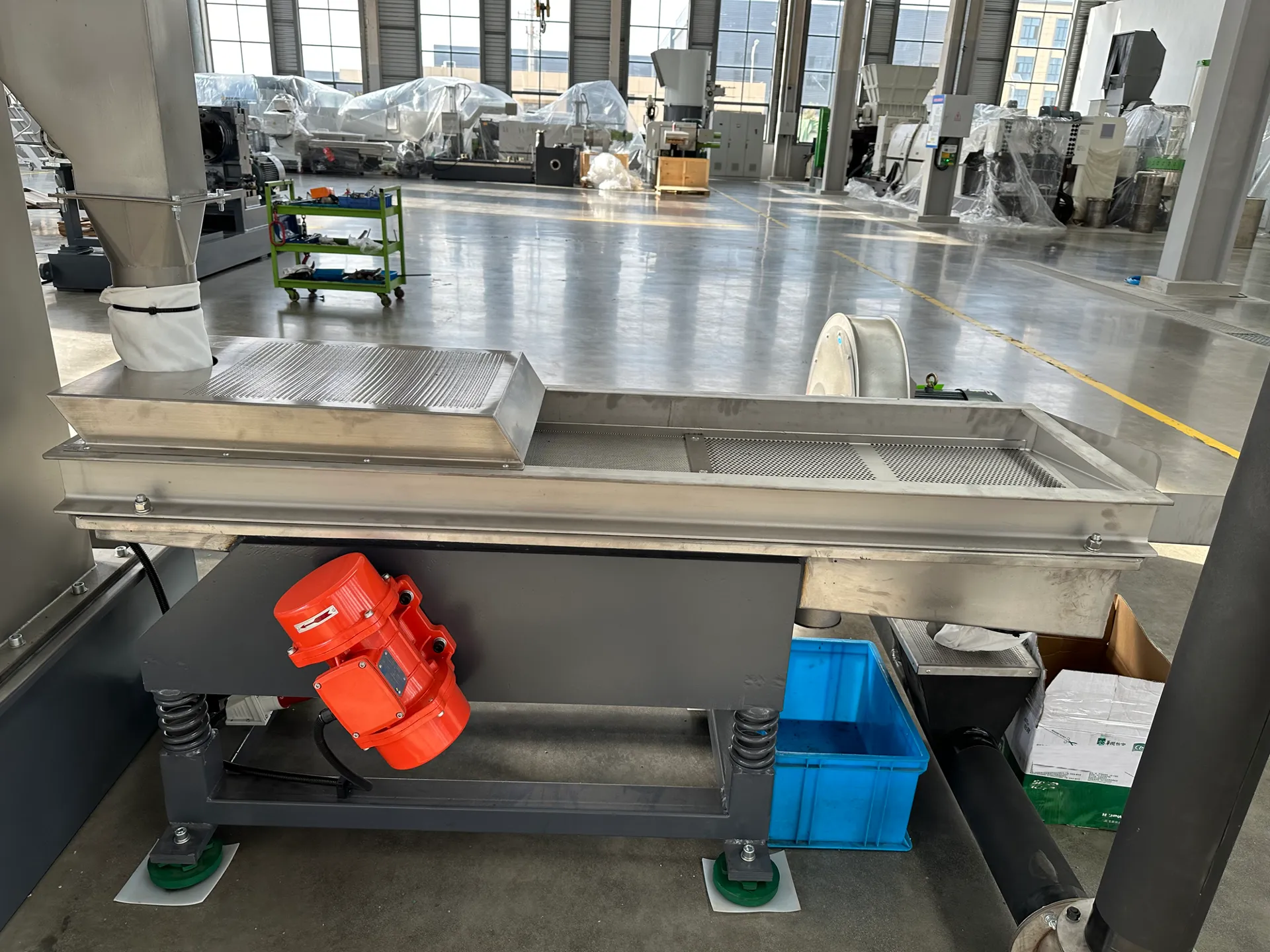
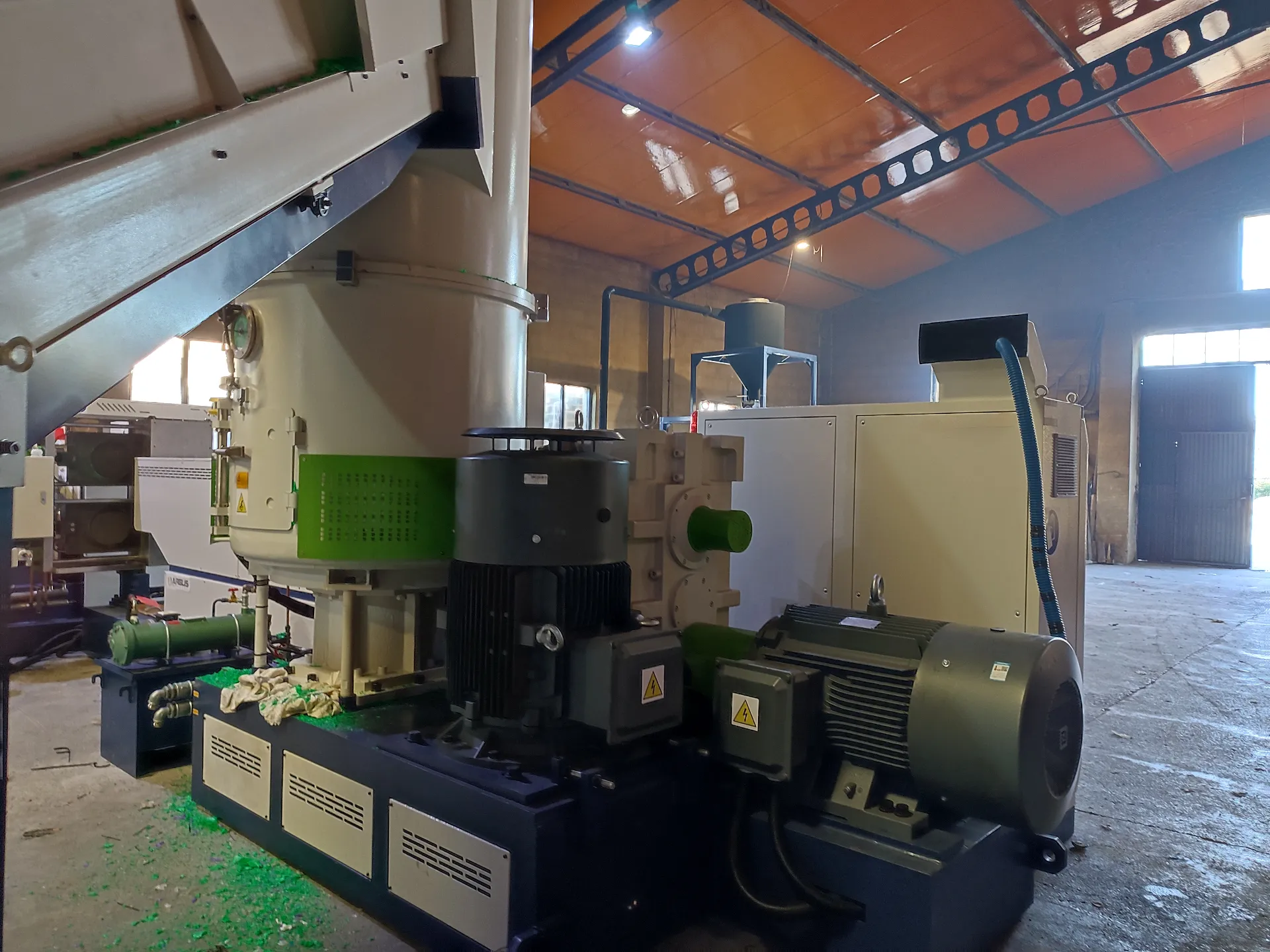
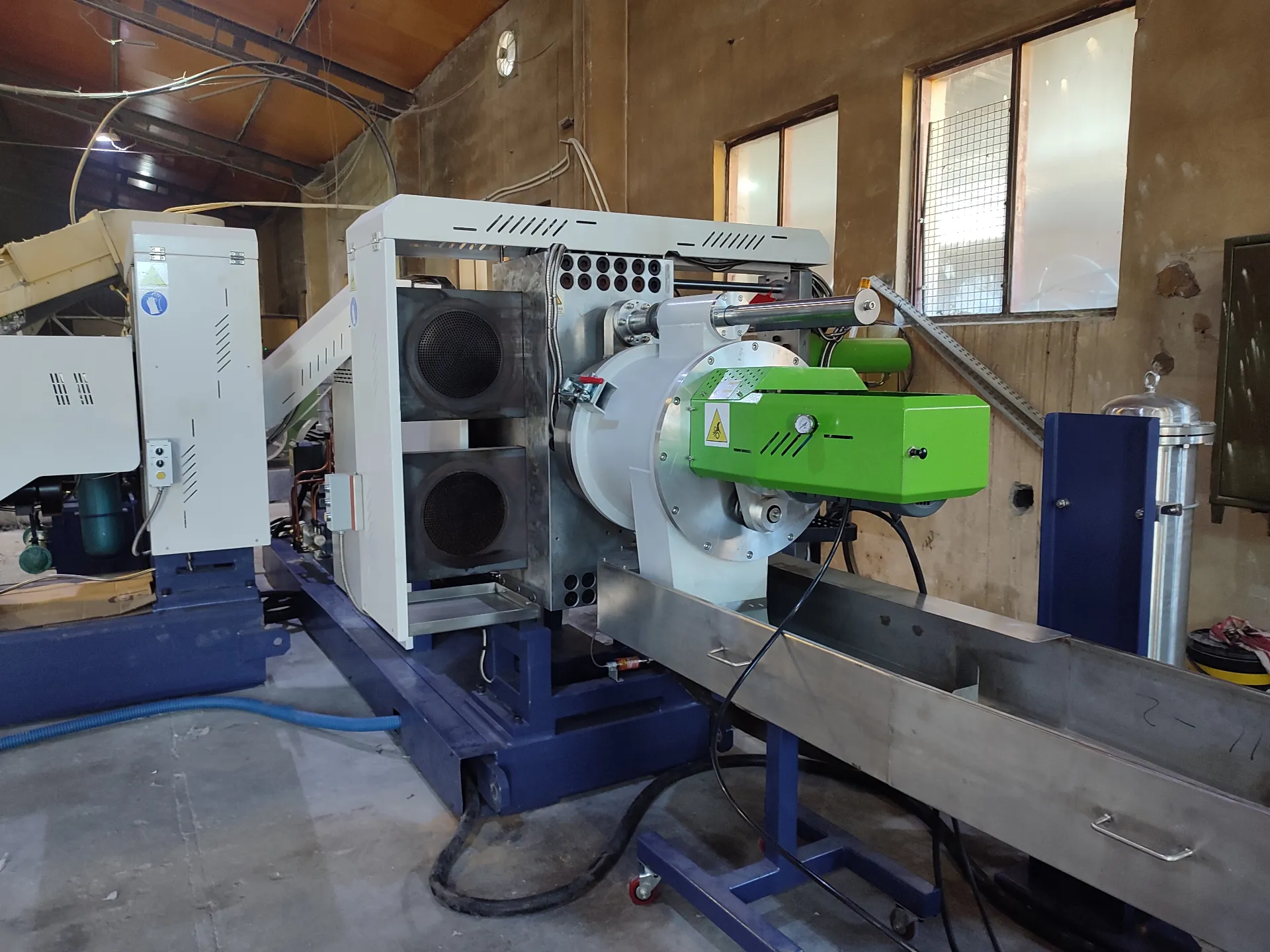
Machine Showcase
Reference views of the film pelletizing line layout, machine details, and finished recycled pellet output.
Watch the Film Pelletizing Line in Action
See how washed film feed moves through extrusion, filtration, pelletizing, and final discharge.
Frequently Asked Questions
Common questions from buyers comparing PP and PE film pelletizing options.
It is designed for washed PP and PE film streams such as HDPE, LDPE, LLDPE, and PP flexible scrap from post-consumer or post-industrial recycling.
Typical models on this page range from about 100 kg/h to 1000 kg/h, depending on material condition, filtration demand, and pelletizing configuration.
Yes. The line includes melt filtration through a screen changer to help remove residual contamination before pelletizing.
Degassing helps remove residual moisture and volatiles from washed film feed, which improves melt stability, pellet consistency, and downstream reuse performance.
The key inputs are material type, washing condition, moisture level, contamination level, target output, pellet quality expectation, and the preferred degree of automation.
Need a Pelletizing Line Matched to Your Film Scrap?
Send your material type, washing condition, target capacity, and preferred pelletizing method. We will help define the suitable line layout, filtration level, and quotation scope.