Tire Recycling Machine & Line
Turn end-of-life tires into high-purity crumb rubber with automated steel and fiber separation for stable output, safer operation, and lower energy per ton.
How It Works
Advanced multi-stage processing for stable recovery, high purity, and controlled particle size.
Primary Shredding
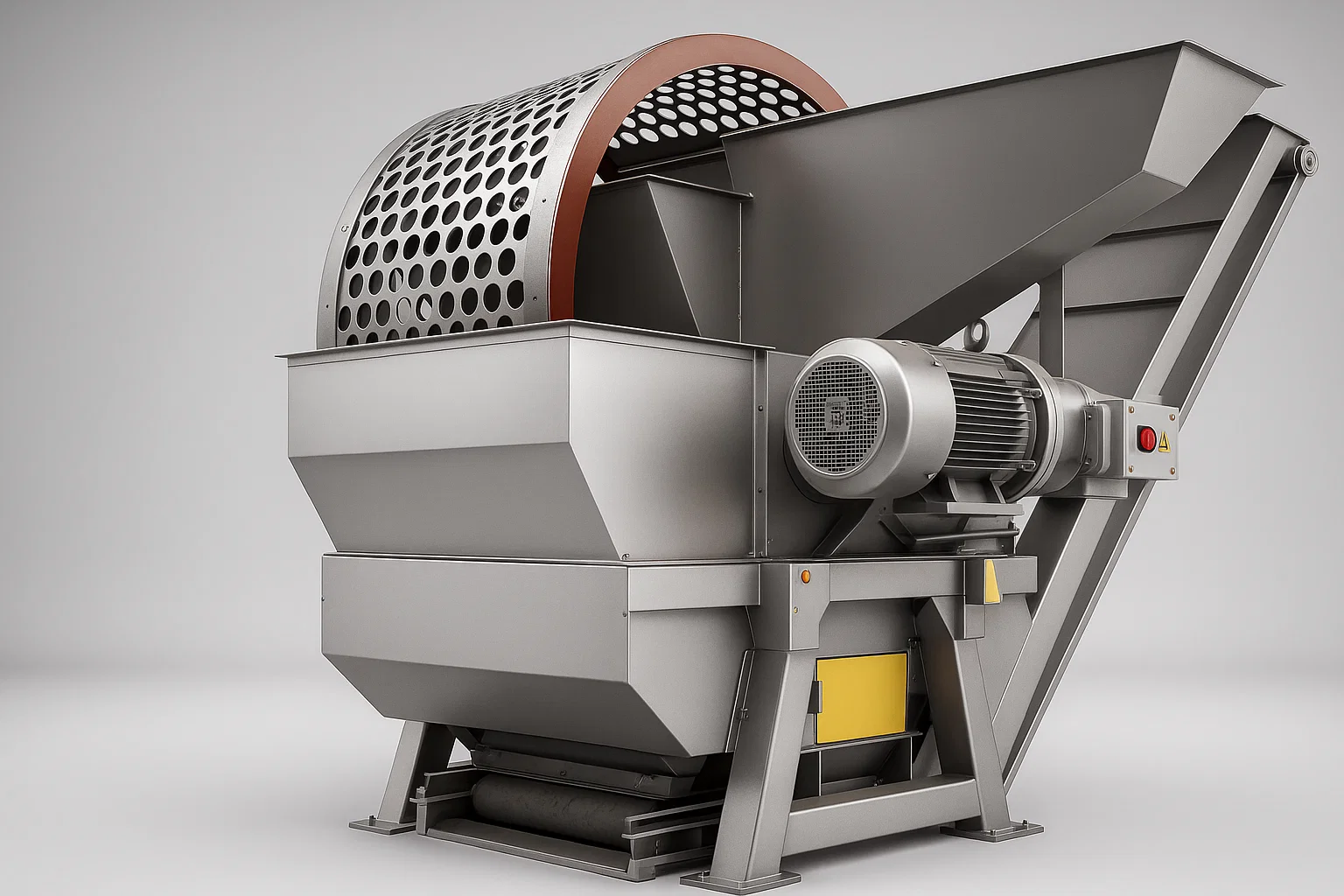
Twin-shaft, low-speed, high-torque shredding reduces whole or debeaded tires to 50-150 mm strips. Pre-processing options include Single Hook Tire Wire Debeading Machine and Waste Tire Cutting Machine to improve throughput and protect downstream blades.
Magnetic Separation
Overband magnetic separation removes liberated steel automatically, protects downstream machinery, and recovers ferrous value.
Granulation
Rasper and granulator reduce shreds to 10-20 mm chips and 1-5 mm granules with controlled heat build-up for stable downstream feed.
Fiber Separation
Air classification removes textile fiber from the rubber stream and pushes product purity above 95%.
Precision Grading
Classifier and screening stages maintain consistent 30-120 mesh powder according to product specification.
Automated Packaging
PLC-controlled packaging measures and bags final product for stable quality control and efficient dispatch.
Key Benefits
Why operators choose this integrated tire recycling line.
High-Purity Output
Magnetic and air classification reduce steel and textile contamination for clean, market-ready crumb rubber.
Automation
Line-level control stabilizes throughput, simplifies operation, and reduces manual intervention.
Energy Efficient
Optimized drives and process flow reduce specific energy per ton without cutting output.
Modular and Scalable
Add capacity and optional modules without rebuilding the entire line architecture.
Safe and Compliant
Built around operator safety, dust control, and environmental compliance requirements.
Lower OPEX
Wear-optimized components and service-friendly design reduce downtime and maintenance cost.
From Pain Points to Performance
Address quality, uptime, energy, and safety with one integrated line.
Inconsistent Quality
Contamination and variable particle sizes reduce downstream performance and market value.
Robust Separation
Closed-loop classification with magnetic and fiber removal supports cleaner, higher-value output.
Unplanned Downtime
Jams and overloads stop production and increase maintenance cost.
Anti-Jam Design
Load-aware control and service-friendly modules keep throughput stable and reduce stop time.
High Energy per Ton
Inefficient drives and poor tuning raise operating cost and emissions.
Process Optimization
Right-sized motors and tuned material flow reduce kWh per ton without sacrificing output.
Showcase Video
See the line in action through shredding, separation, and fine milling.
Applications
High-value commercial uses for recycled rubber granules and powder.
Modified Asphalt
Improve elasticity and durability in asphalt rubber systems.
Sports Surfaces
Produce granules for track surfacing and artificial turf infill.
Industrial Products
Supply rubber mats, anti-vibration pads, gaskets, and molded goods.
Tire Manufacturing
Use reclaimed rubber in new tire compounds and specialty mixes.
Building Materials
Support membranes, acoustic panels, and other construction products.
Energy Recovery
Prepare feedstock for pyrolysis, recovered carbon black, fuel oil, and TDF applications.
Key Components
Belt Conveyor
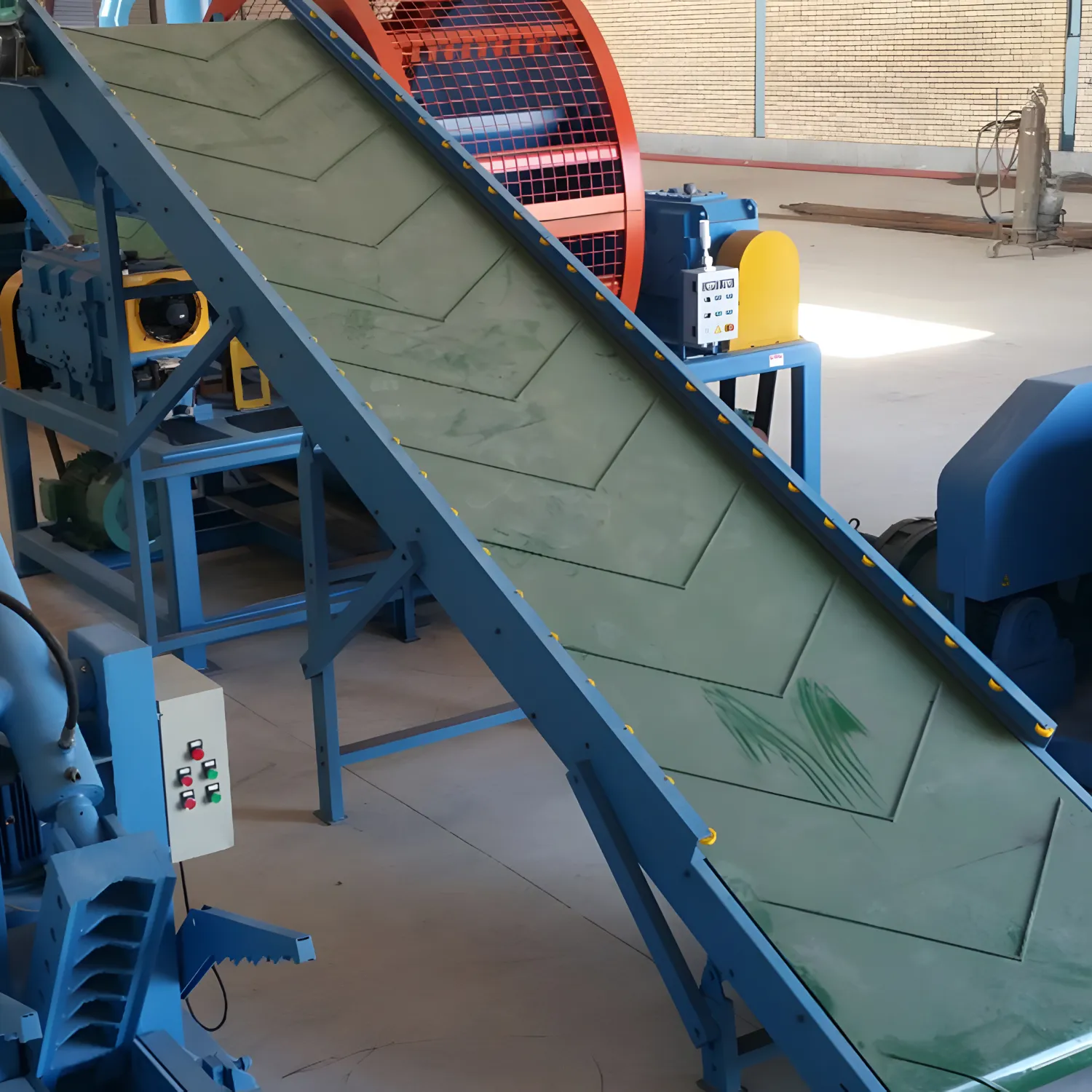
The Belt Conveyor transfers whole tires, rough shreds, and rubber granules between each processing stage. It supports continuous feed, stable transfer, and integrated line flow in abrasive conditions.
Tire Shredder
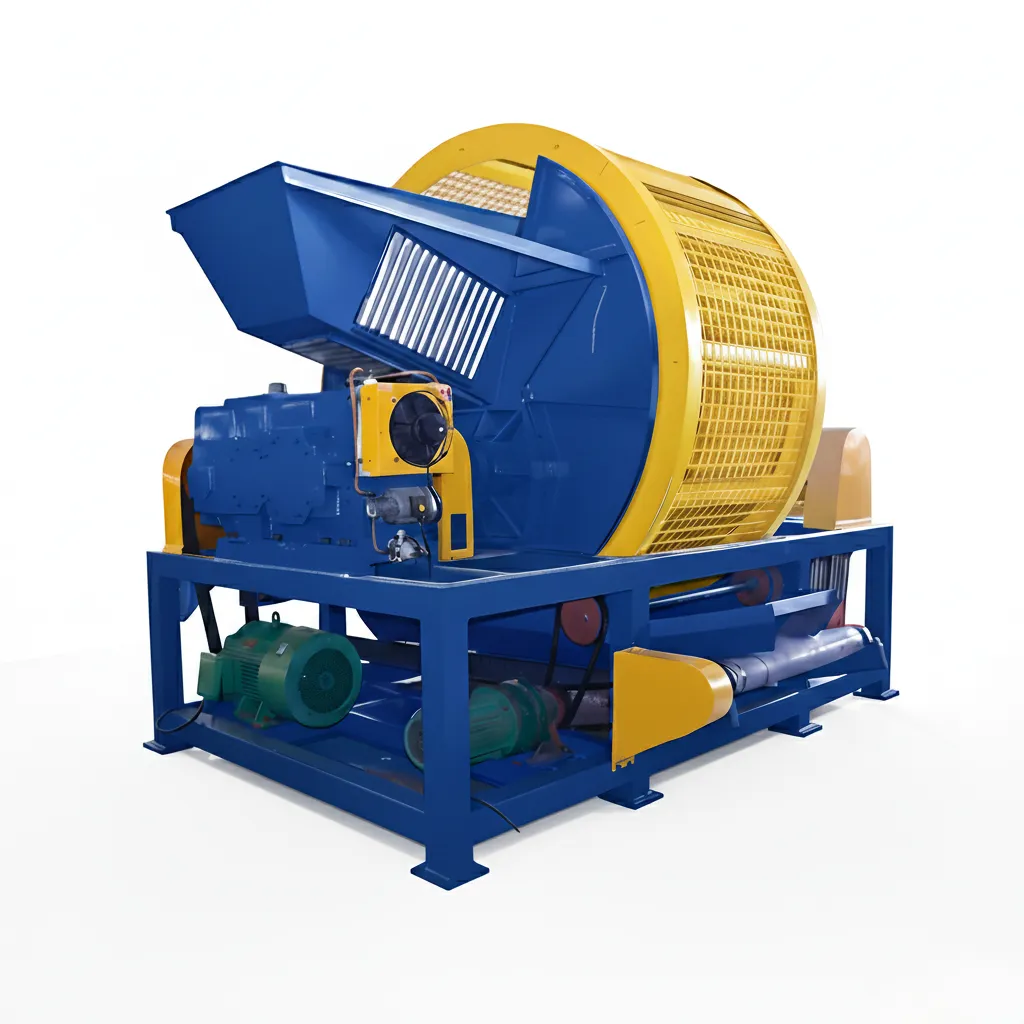
The Primary Shredder reduces whole or debeaded tires into uniform 50-150 mm strips. Its twin-shaft, low-speed, high-torque design handles rubber and steel belts while creating stable feedstock for the next stage.
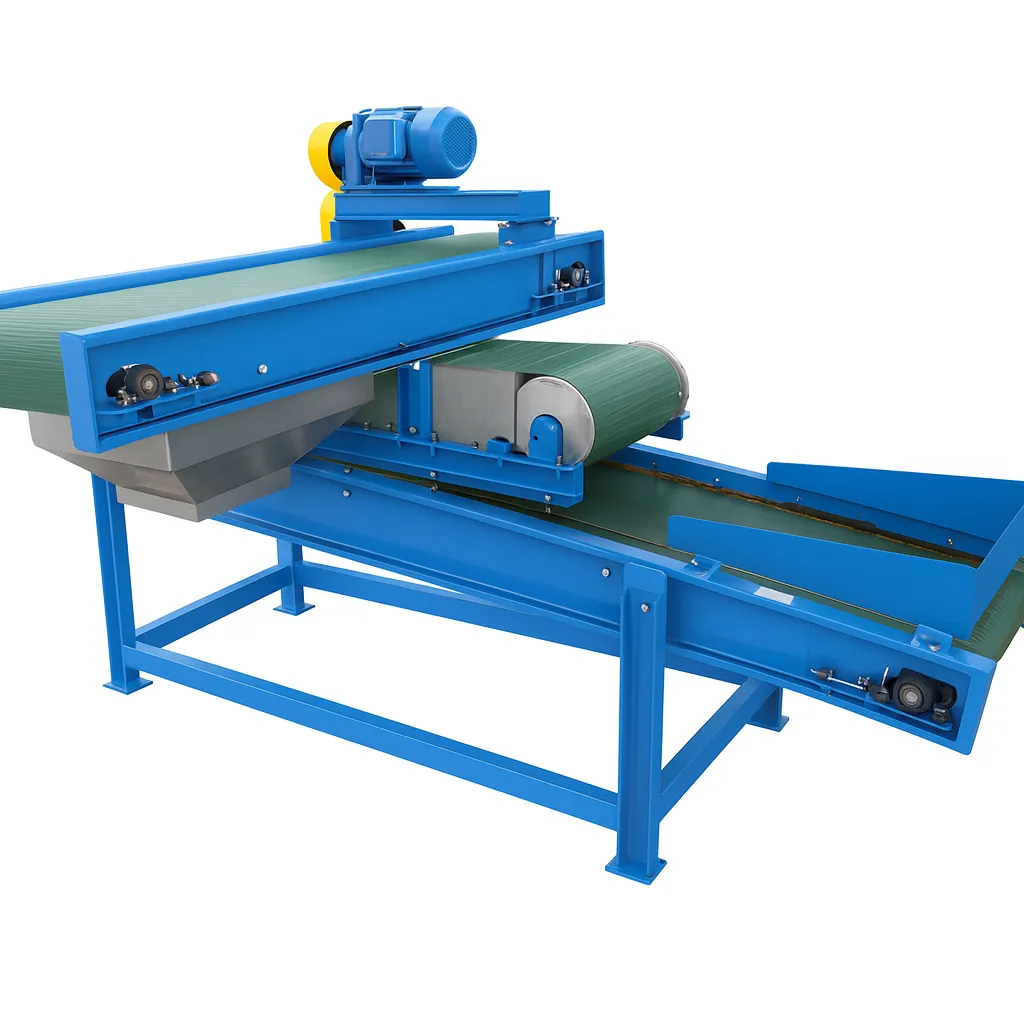
Overband Magnetic Separator
The Overband Magnetic Separator lifts and removes steel wire from the material stream automatically. It protects granulators and mills from damage while recovering ferrous scrap.
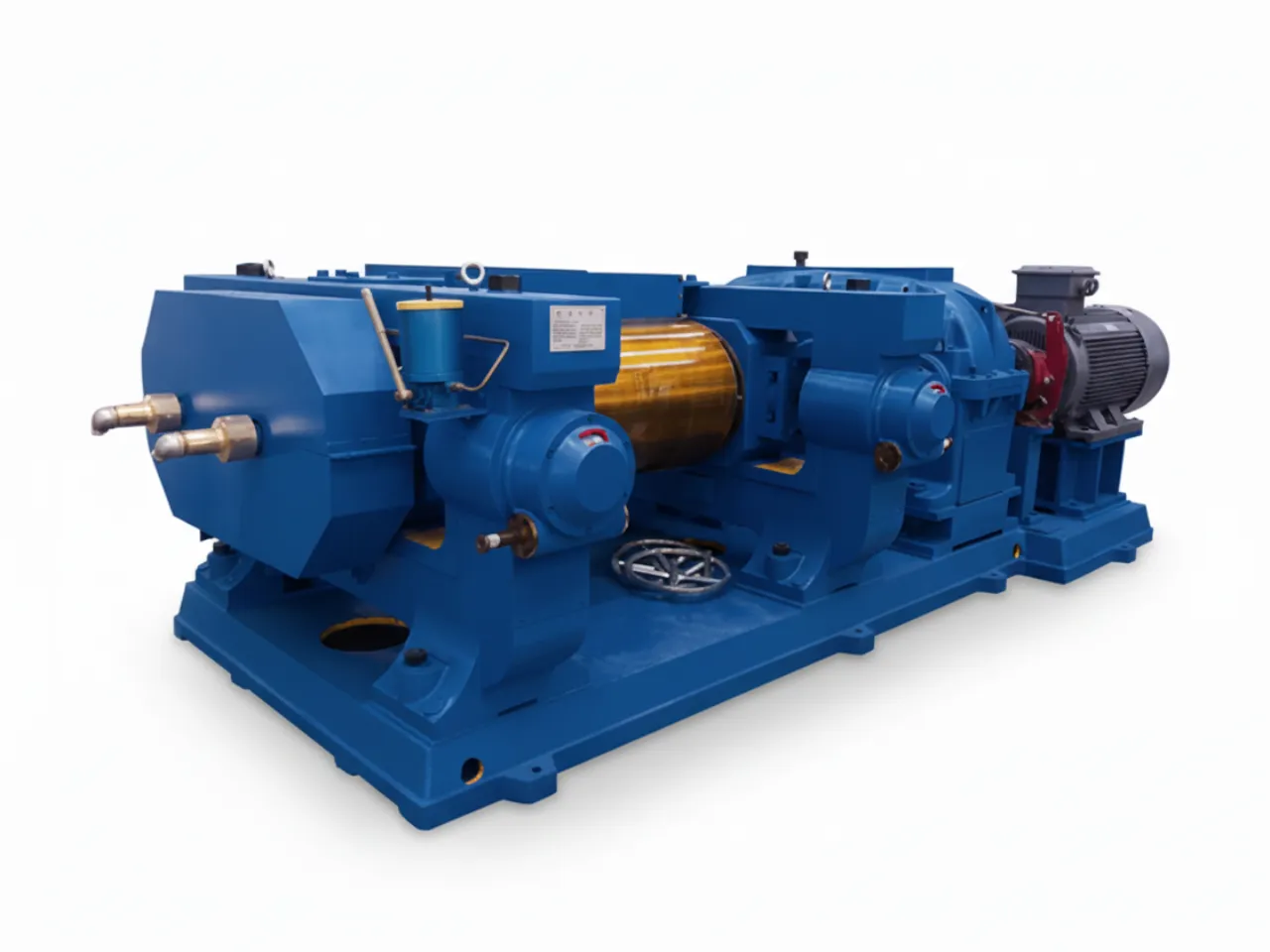
Double Roller Rubber Grinder
The cracker mill applies heavy shearing and crushing force through counter-rotating grooved rollers. It breaks shreds into stable granule sizes and helps liberate embedded steel wire efficiently.
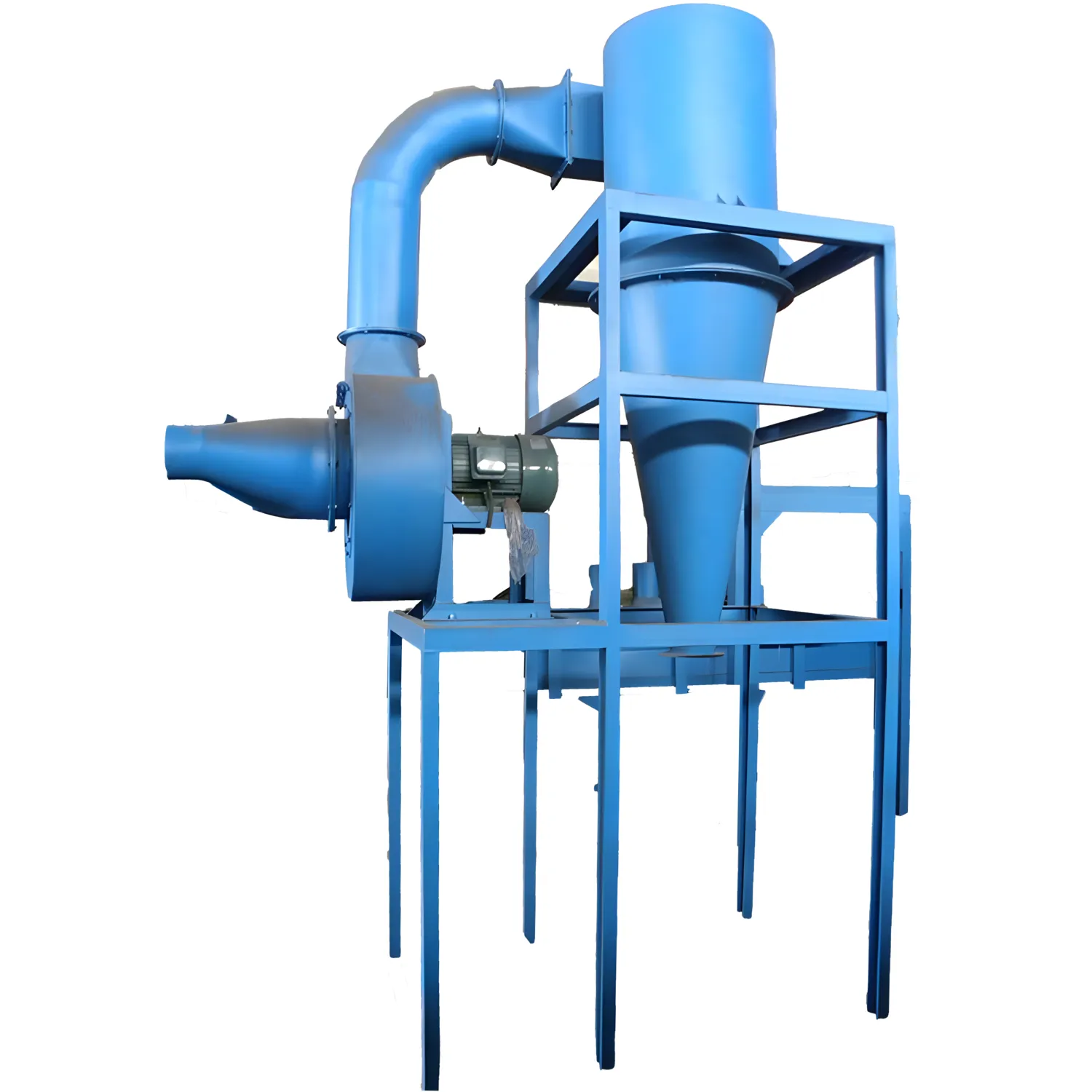
Coarse Fiber Separator
The Fiber Separation System uses controlled airflow to remove textile and nylon fiber from rubber granules. This stage raises rubber purity and prepares material for fine grinding.
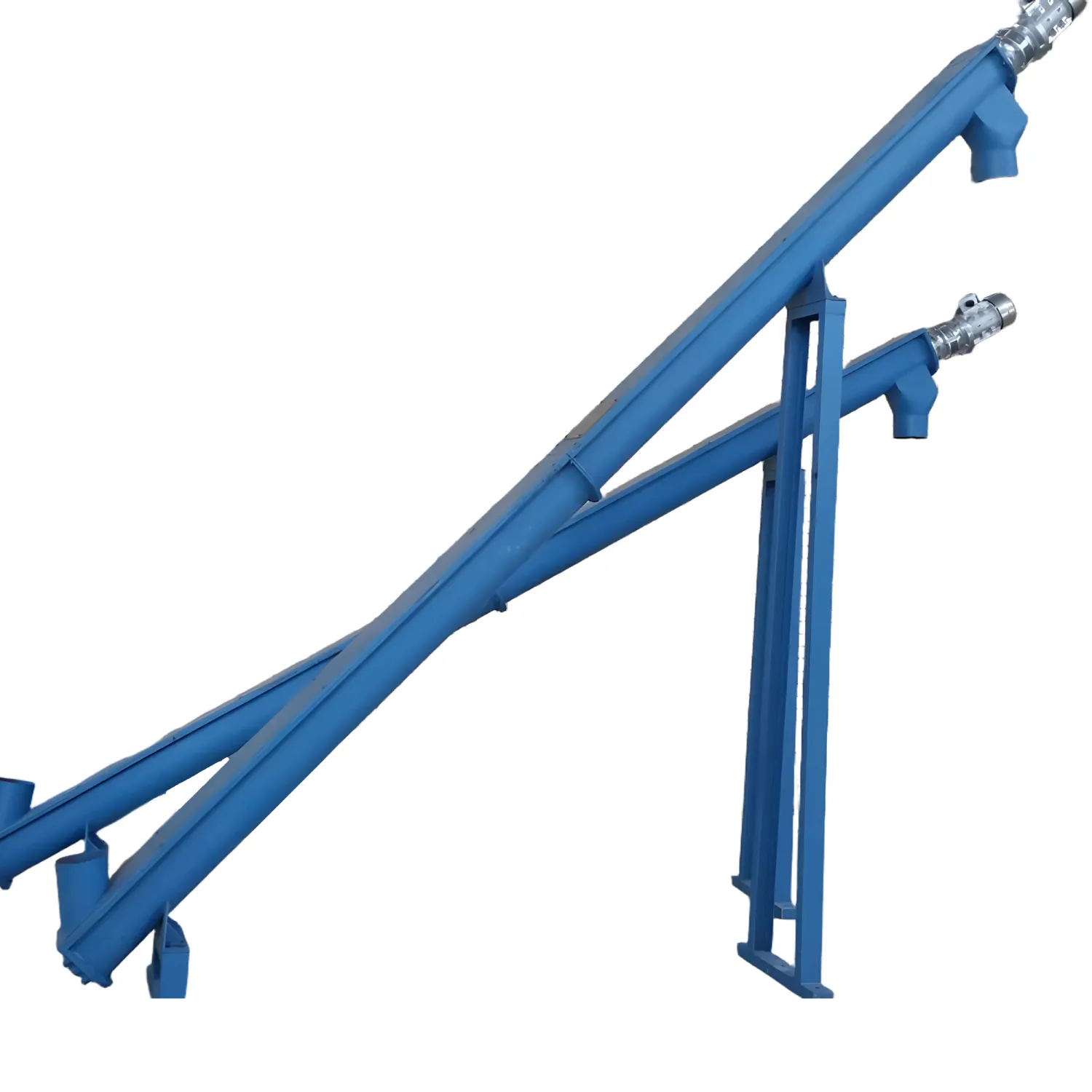
Screw Conveyor
The Screw Conveyor transfers rubber granules and powder in an enclosed path. It helps reduce dust, prevent spillage, and maintain steady feed to mills, classifiers, and bagging stations.
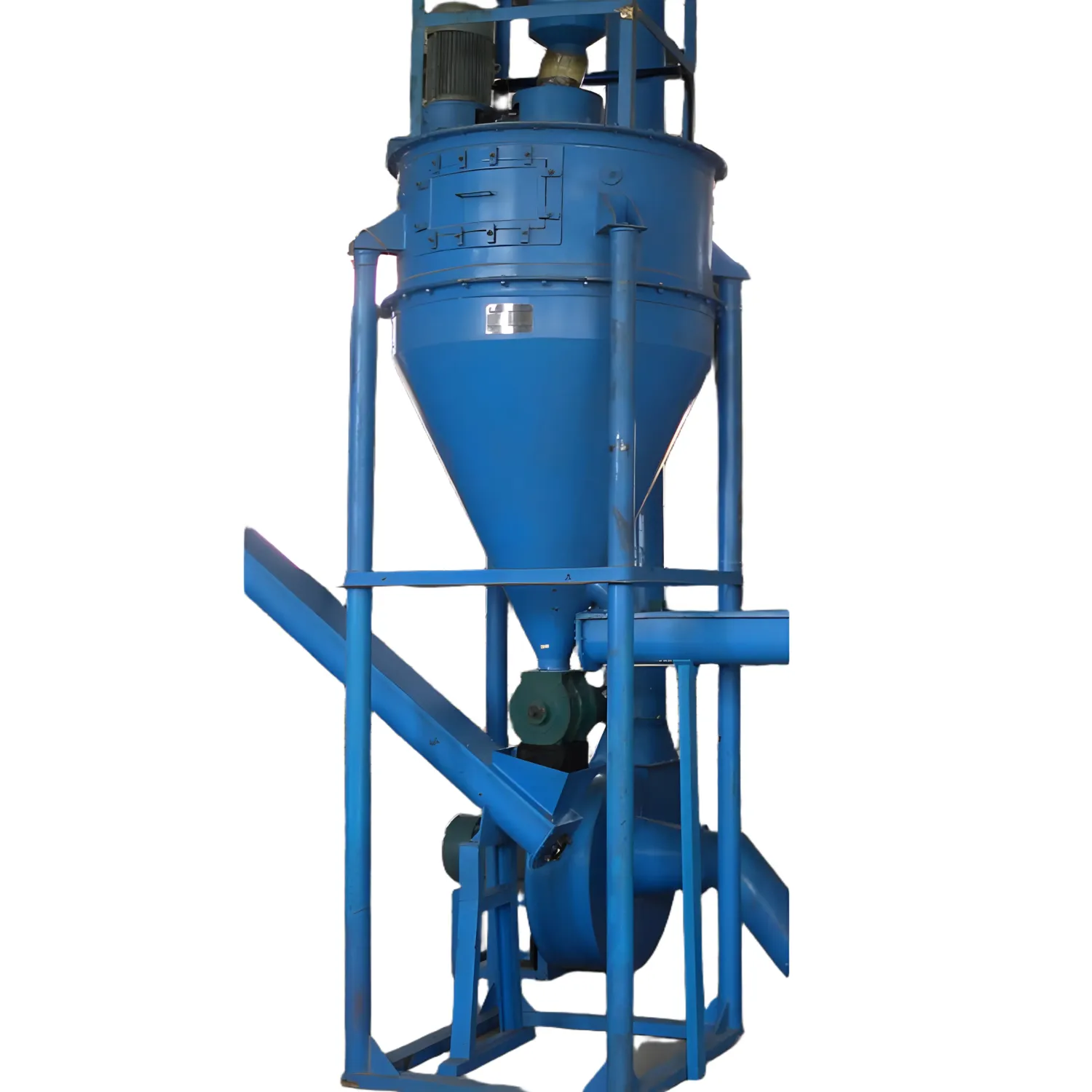
Rubber Powder Grader
The Fine Powder Air Classifier sorts powder by size and mass through airflow and a high-speed classifier wheel. Oversized particles return for further grinding while qualified powder moves to collection.
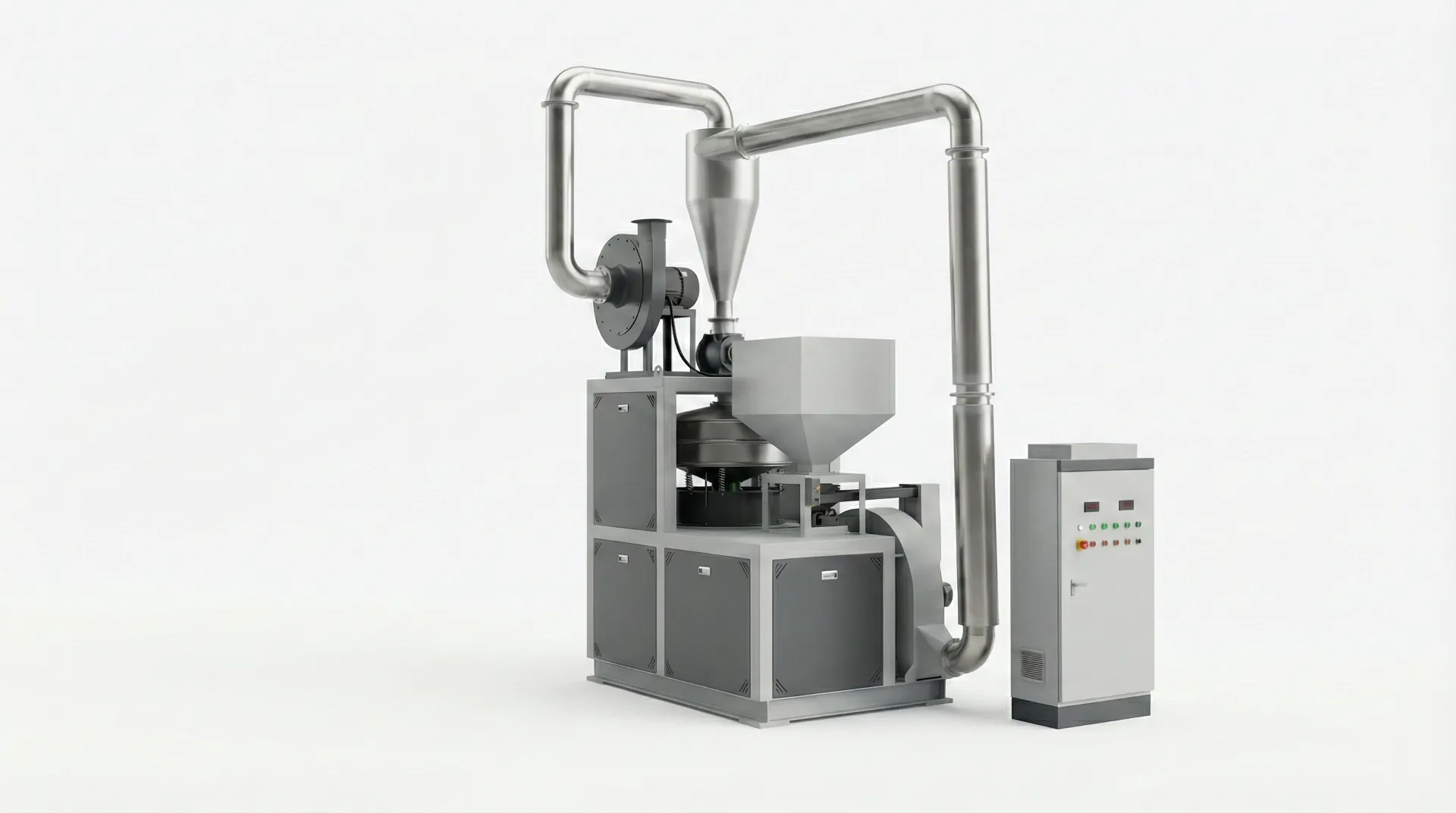
Rubber Powder Superfine Miller
The Superfine Powder Miller produces 80-200 mesh rubber powder from clean pre-sized feed. Integrated cooling and internal classification help prevent heat damage and maintain a stable fine product.
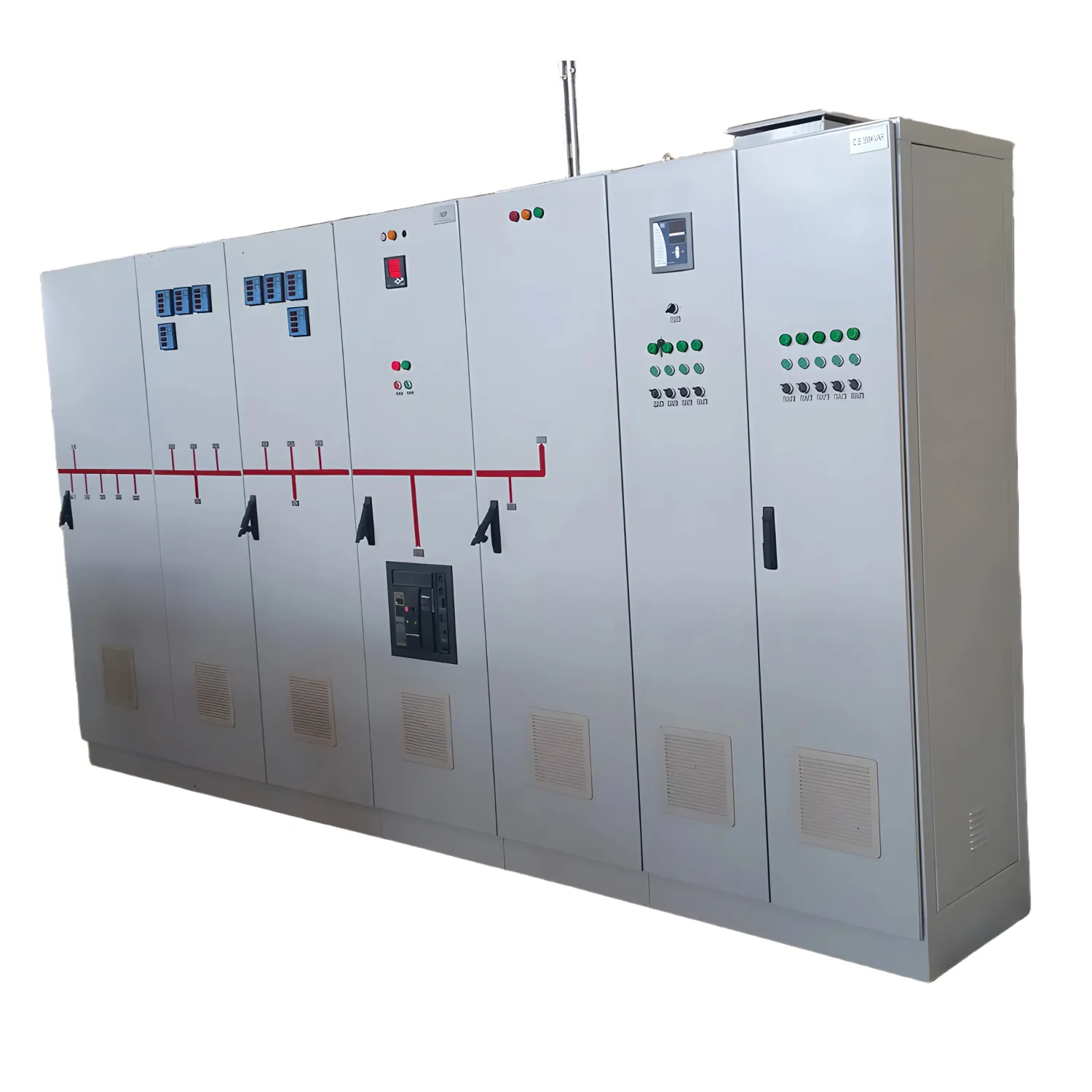
PLC Auto Control System
The PLC system provides centralized control and real-time monitoring for the full line. It supports stable throughput, safety interlocks, and coordinated machine operation from a single interface.
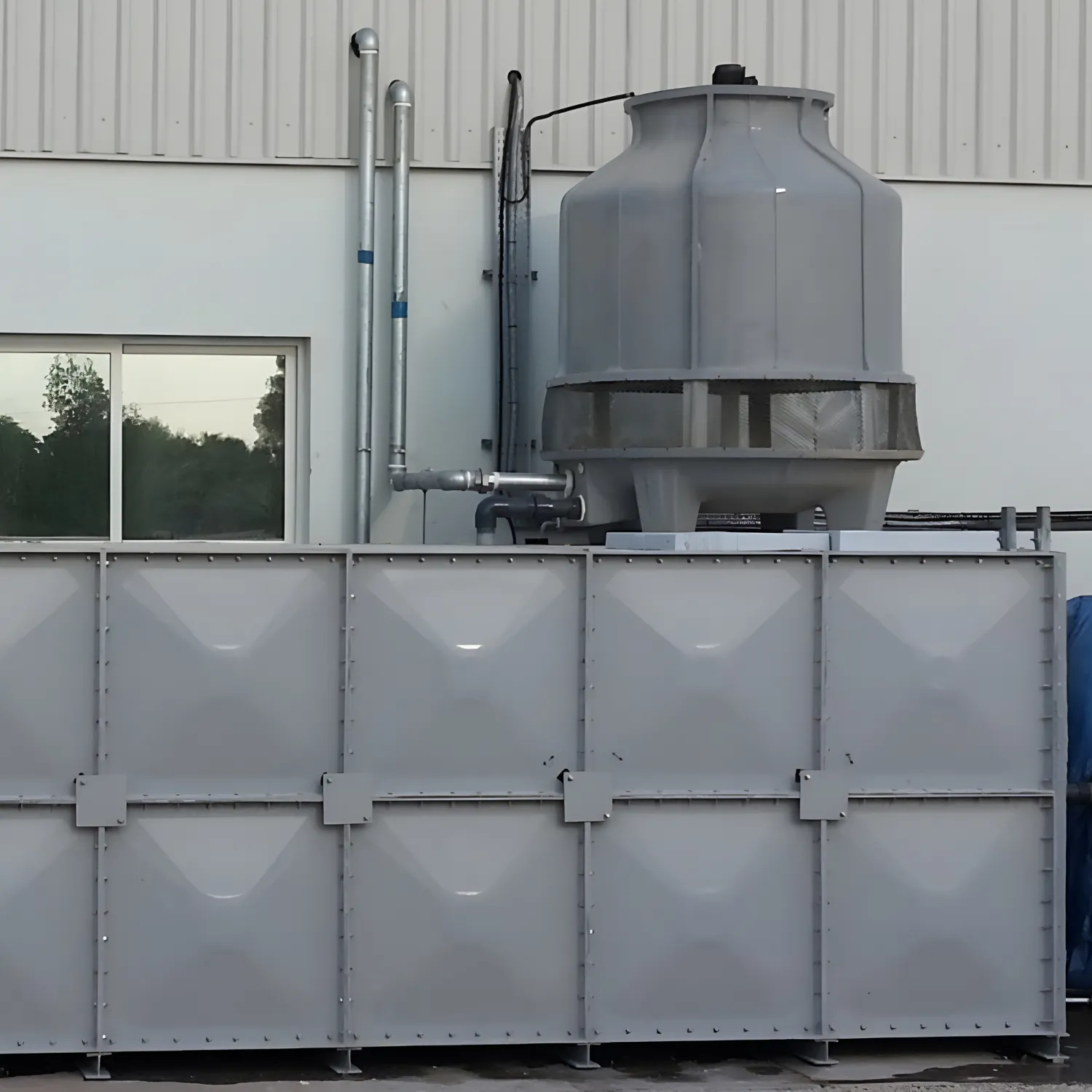
Cooling System
The Cooling System manages temperature in high-friction machines such as granulators and mills. Stable cooling protects equipment, supports continuous operation, and helps preserve rubber quality.
Related Equipment
Single Hook Tire Wire Debeading Machine
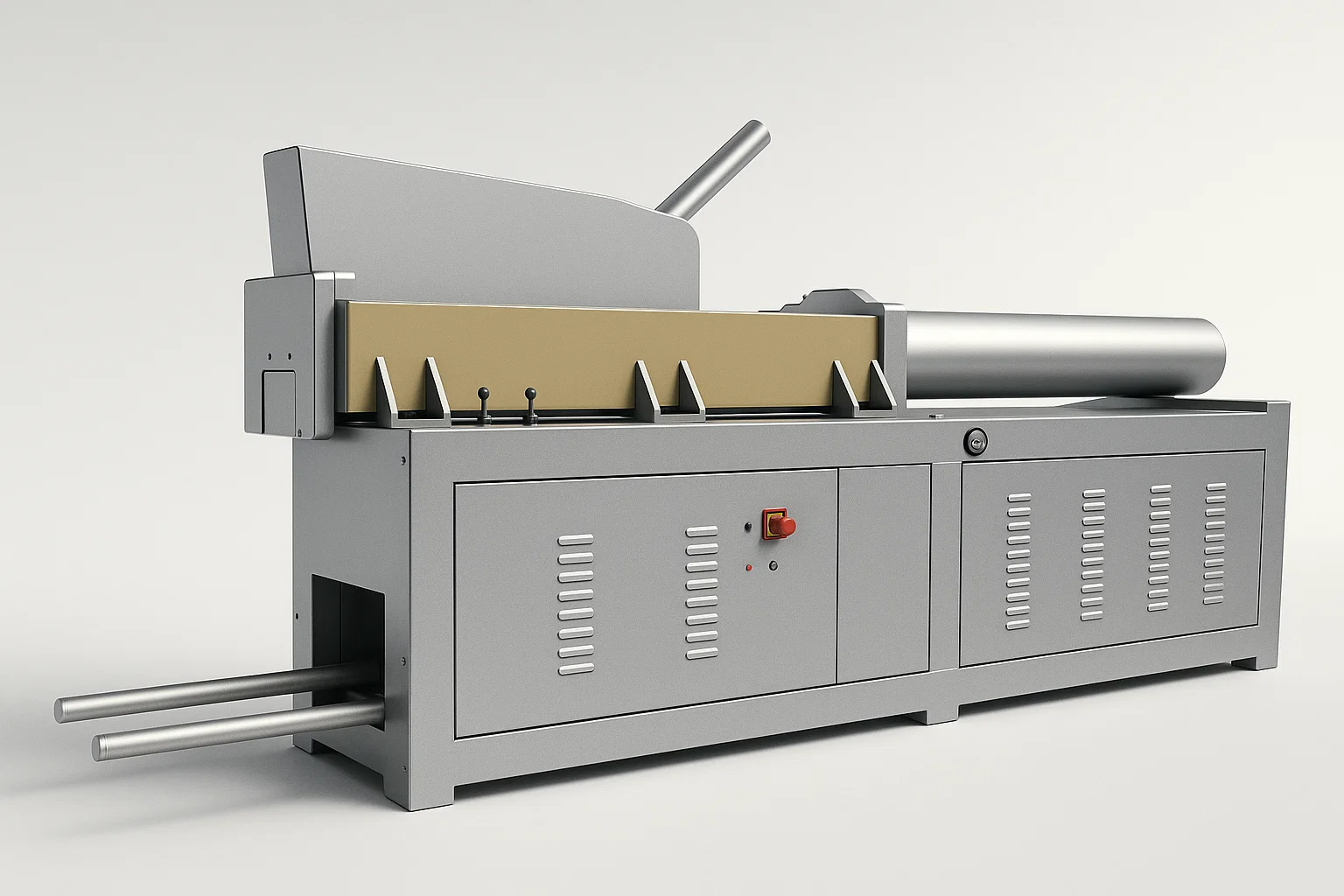
Remove bead wire before shredding to protect cutters and increase line throughput.
Waste Tire Cutting Machine
Cut whole tires into sections for easier feeding and more stable primary size reduction.
Technical Specifications
| Model | Capacity (t/h) | Input Size | Output Size | Main Power (approx.) | Line Power (approx.) | Footprint (L×W×H) |
|---|---|---|---|---|---|---|
| TRM-S | 0.5-1.0 | ≤ 1200 mm | 10-30 mm / 30-120 mesh | Shredder 2×45 kW; Granulator 55 kW | 180-220 kW | 22×12×6 m |
| TRM-M | 1.0-2.0 | ≤ 1200 mm | 10-30 mm / 30-120 mesh | Shredder 2×75 kW; Granulator 75 kW | 260-320 kW | 28×14×7 m |
| TRM-L | 2.0-4.0 | ≤ 1600 mm | 10-30 mm / 30-120 mesh | Shredder 2×90 kW; Granulator 110 kW | 420-520 kW | 36×18×8 m |
Values are typical and configurable. Final specs depend on feedstock and target output.
Why Choose Our Line
| Capability | Our Integrated Line | Traditional Line |
|---|---|---|
| Product Purity | High (steel and textile minimized) | Variable |
| Automation | Line-level control and monitoring | Machine-by-machine |
| Downtime | Anti-jam control and predictive maintenance | Higher due to jams and wear |
| Energy / ton | Optimized drives and process tuning | Typically higher |
| Scalability | Modular upgrades | Limited |
What Our Customers Say
“The line has delivered consistent crumb quality and cut our rework to near zero. Overall throughput is up 28%.”
“Automation and anti-jam design reduced downtime sharply. Maintenance windows are shorter and easier to schedule.”
“Energy per ton is down double digits compared with our legacy line, and product purity is higher.”
Frequently Asked Questions
Answers to common questions about tire recycling line selection, capacity, and output.
What is a tire recycling machine?
How does the tire recycling machine work?
What types of tires can be processed?
Is the operation safe?
What is the energy consumption?
Where can I purchase a tire recycling machine?
Get a Custom Quote
Tell us about your tire size range, target output, throughput, and site conditions. We will send a tailored configuration and quote.