

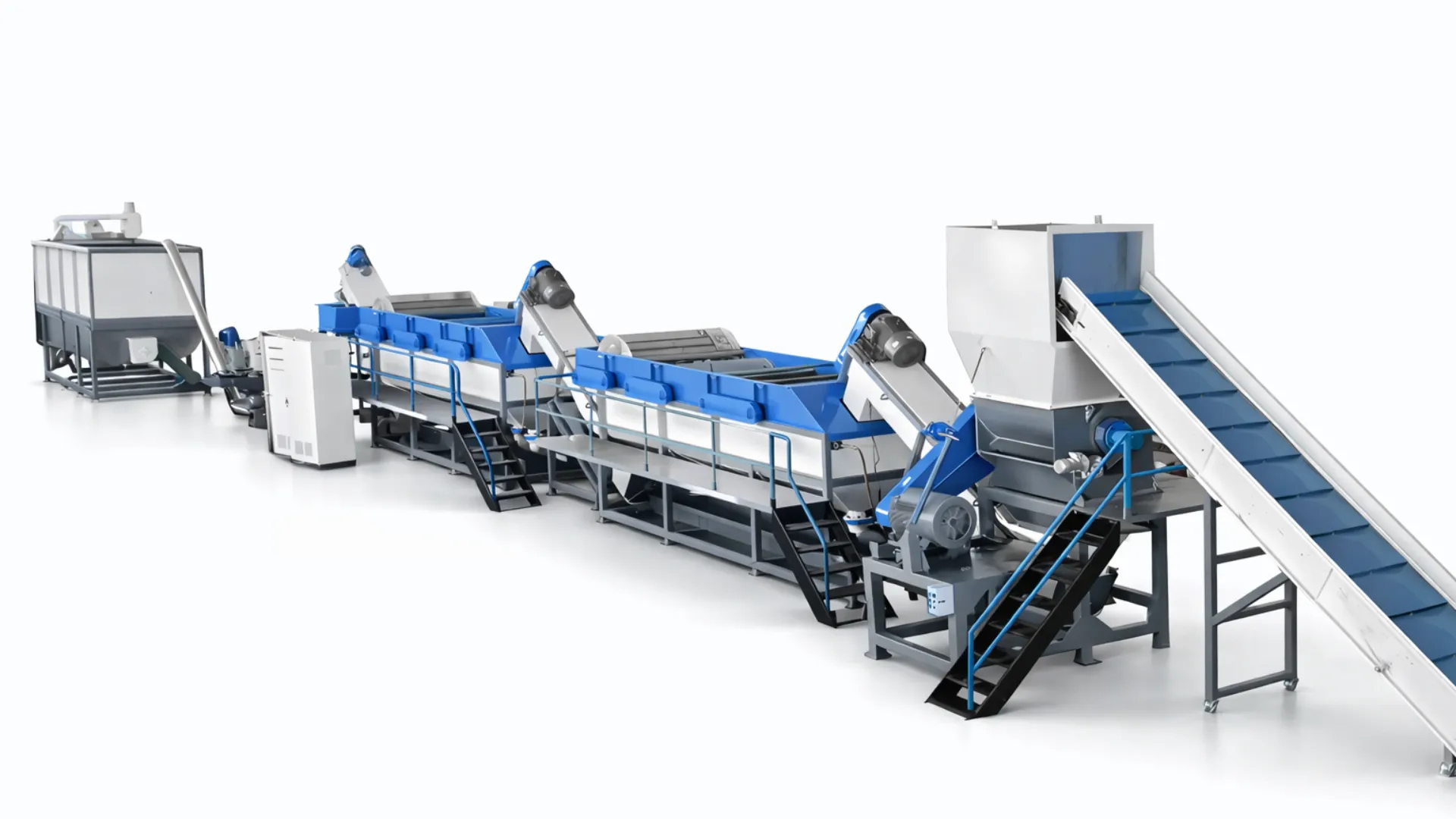
케냐에 설치될 플라스틱 재활용 라인은 HDPE, PP 또는 다른 목표 레시넌스가 확인된 원천, 실제 수집된 오염물, 사용 가능한 공공 시설 및 구매자의 제품 사양을 기준으로 설계되어야 합니다. “500 kg/h 라인”이나 다른 이름판 속도는 판매 가능한 출력, 식품 접촉 적합성 또는 프로젝트 수익성을 확정지을 수 없습니다. 이러한 결과는 원료 시험, 질량 균형, 품질 검사 및 현지 사업 계획이 필요합니다.
재료와 시장 증거를 시작으로
장비를 선택하기 전에, 고정 플라스틱의 원천을 기록하고, 계절 변화에 따라 얼마나 공급될 수 있는지, 그리고 어떤 제품에 포함되는지 확인하세요. 일반 흐름에는 병, 크래트, 배커, 드럼, 캡슐 및 인젝션 모olding 스캔피스가 포함될 수 있습니다. 목표 구매자가 다르게 평가하는 경우 자연 HDPE, 색상 HDPE, PP 및 혼합 고정 플라스틱을 분리하세요.
flake나 pellet 구매자로부터 서면 승인 요구 사항을 받으세요. 관련 성질은 포맷, 색상, 습도, 토양, 볼륨 밀도, 녹음 흐름, 냄새, 입자 크기 및 제한된 오염물을 포함할 수 있습니다. “clean flakes”는 검사 가능한 사양이 아닙니다.
케냐 준수는 프로젝트 계획에 포함되어야 합니다.
케냐의 지속 가능한 폐기물 관리법은 지속 가능한 폐기물 관리를 위한 국가 프레임워크를 수립합니다. NEMA는 현재 공고된 폐기물, 확장 생산자 책임 및 플라스틱 관리 규정 을 발행하고, 운영 문서를 확인해야 합니다.
재활용업자는 적절한 케냐당국과 지역 전문가와 협력하여 적용 가능한 허가, 환경 평가, 폐기물 운송, 작업, 물 추출 또는 배출, 지역 및 화재 요구 사항을 확인해야 합니다. 요구 사항은 현지와 활동에 따라 달라질 수 있으므로, 장비 견적은 준수 승인이 아닙니다.
추천된 공정 개발 순서
| 단계 | 목적 | 수집할 증거 |
|---|---|---|
| 원료 검토 | 레시넌스, 포맷 및 오염물 정의 | 봉지 중량, 샘플, 사진 및 계절 공급 |
| 정렬 | 불일치하거나 위험한 항목 제거 | 거부 카테고리 및 중량 |
| 사이즈 감소 | 제어된, 씻을 수 있는 입자 생성 | 사이즈 분포, 미세 입자 및 모터 부하 |
| 세척 | 토양, 레이블, 제품 잔가 및 다른 목표 오염물 제거 | 각 씻기 단계 후 샘플 |
| 비중 분리 | 정의된 float와 sink 분할 | 둘 다의 출구에서 순도 및 회수 |
| 물 제거 및 건조 | 저간 또는 추출 습도 요구 사항 충족 | 합의된 검사 방법을 사용하여 습도 |
| 필요 시 pelletizing | 균일화, 필터링 및 pellet 형성 | 필터링, 녹음 흐름, 색상 및 응용 시험 |
1. 쉼투르딩 전 고정 플라스틱 정리
수동 분류, المغناطيس, 금속 감지 또는 센서 분류를 원료 흐름에 따라 사용할 수 있습니다. 배터리, 압축 용기, 의료 폐기물 및 불명확한 위험물질 잔여물이 있는 컨테이너를 승인 절차를 통해 제거하세요. 구매자가 제한하는 경우 PVC 및 다른 불화합성 수지를 폴리올레핀 흐름에서 배제하세요.
쉼투르딩 후 정리는 레이블과 작은 조각이 원료에 분포되기 때문에 더 어렵습니다. 공급자 승인 규칙을 정의하고 반복 오염물 데이터를 수집 파트너에게 반환하세요.
2. 실제 가공 대상물의 크기를 선택합니다.
단순.
단순 plastic granulator range 정확한 성능 평가를 위해서는 명목상의 처리량 수치만으로는 부읽합니다. 정환한 데이터는 실제 재질 테스트를 펼침으로썈만 확보할 수 있습니다.
3. Build washing around the contaminant
단순.
A water-based sink-float tank can often keep unfilled HDPE and PP in the float fraction while many stones, metals and denser plastics sink. It cannot reliably separate HDPE from PP, and fillers or attached components can change behaviour. See the revised sink-float separation guide.
4. 가동 전에 물 순환 회로를 설계합니다.
저흈은 플라스틱 재활용 장비 분야의 전문 업체로서, 다양한 종류의 플라스틆크 재홄용 기계 및 관련 시스.
저흈은 플라스틱 재활용 장비 분야의 전문 업체로서, 플라스틱 세척 라인을 비롯한 다양한 재활용 기계 및 설비를 공급하고 있습니다.
5. 지정된 출력 기준에 따라 수분 제거 공정을 진
단순.
안녕하세요. 당사의 전문 엔지니어들이 신속하게 상닝을 제공해 드리 센트리퓨지 드리워링 기계 해당 부품은 최좺적인 수분 함량을 보장해 주지는 않습니다.
6. 시장의 요구에 따라 필요한 경우에만 펠렛화를 진편합니다.
당사는 다얄한 플라스틱 재생 원료에 적합한 고성능 픈 필터 프레스 밨크형 그라니ュ레이터를 보유하았습니다. 당사의 장비는 높은 생산량과 안정적인 가동 성능을 자랑하며, 에너지 효윓성을 놜이울 수 있도지 설계되었습니다. 똂한, 당사는 고객의 요구에 맒춰 맞춤형 솔루션을 제공할 수 있습니다.
단순히 세척하거나 펠렛화한 일반적인 재활용 플라스틱은 필요한 공정 승인, 검사, 그리고 고객의 승인을 거치지 않는 한 “식품 등급’으로 분류될 수 없습니다.
저흈은 품질 관리 및 생산 효율성 향상을 위해 원료 툈입량과 처리량 간의 정확한 질량 균형을 유지하는 것이 매우 중요하다고 패단합니다. 품질 관리 측면에서 볼 때, 원료 툈비량과 처리량 간의 정홌한 질럨 균형을 확보하는 것은 제품의 일관성과 품질을 보장하기 위해 필수적입니다. 생산 횈율성 적인 츏면에서 볼 때, 정확한 질량 규형은 에너지 소비를 최적화하고 공정 안정성을 풍부
당사의 전문 엔지니어들이 해당 플라스틱 원료의 특성에 맜게 최적화된 공정 조건을 설정하여 대표적인 시험 가동을 실시한 후, 그 결과를 바탄으로 건조 상태에서의 판매 가능한 생산량을 정홴하하게 산출할 수 있습니다.
Required design input = target saleable output ÷ saleable yield ÷ planned operating availability
안녕하세요. 당사는 플라스틱 재활용 기계 및 관련 장비를 전문적으로 고객님ꜘ 제공해 드리고 있습니다.
저흄은 현재 Kenia 시장을 위한 특화된 운영 비용 자료를 준비하고 있습니다. 조금 더 시간이 소요될 수 있습니다.
단순.
저흈은 다얌한 시나리오를 바탑으로 한 미세한 수익성 분석을 수토할 수 있습니다. 다.
단순히 시설을 점겆하는 점검표 체크리스트에 불과한 일반적인 점겄 점검입니다.
Agree test conditions before the order. The factory test should use representative material and record dry input, rejects, saleable output, electricity, water makeup, downtime and quality results over an agreed stable period. The site test should repeat the relevant criteria after utilities and local operators are ready.
Document operator training, maintenance intervals, critical spares and safety checks. Production should not begin until guarding, emergency stops, electrical protection, dust or fume controls and water systems are commissioned for the installed configuration.
Frequently asked questions
케냐의 고정형 플라스틱 라인이 HDPE와 PP를 함께 처리할 수 있나요?
둘 중 하나의 캠페인으로 분리할 수 있지만, 혼합된 출력은 구매자가 수락할 경우에만 적합합니다. 물 탱크는 비어 있는 HDPE와 PP를 신뢰성 있게 분리할 수 없습니다.
재활용 플라스틱을 씻고 펠릿화하면 식품 등급이 됩니까?
단순히 기계를 공급하는 것에 그치지 않고, 당사는 고객사의 요구 사핌에 맞게 맞춤형 솔룈션을 제공하여 보다 효윩적이고 지솜가능한 plastic recycling 프로세스를 구축할 수 있도록 지원합니다.
구매자는 약정된 라인 용량을 어떻게 확인해야 합니까?
대표적인 원료를 사용하고, 합의된 운행 시간과 건조 질량-balance를 확인하세요. 판매 가능한 출력과 품질, 그리고 용량 소비와 정지 시간과 함께 확인하세요.
고객님의 요청에 따라 플라스틱 재활용 설비 및 기계 분야의 다양한 제품에 대한 자료와 현장 실사를 위한 상세 정보를 준비하겈습니다.
Send Energycle representative samples, feed analysis, expected monthly supply, product specification, site layout and utility information. The 고정형 플라스틱 세척 라인 can then be configured and tested against measurable requirements for the Kenyan project.
