

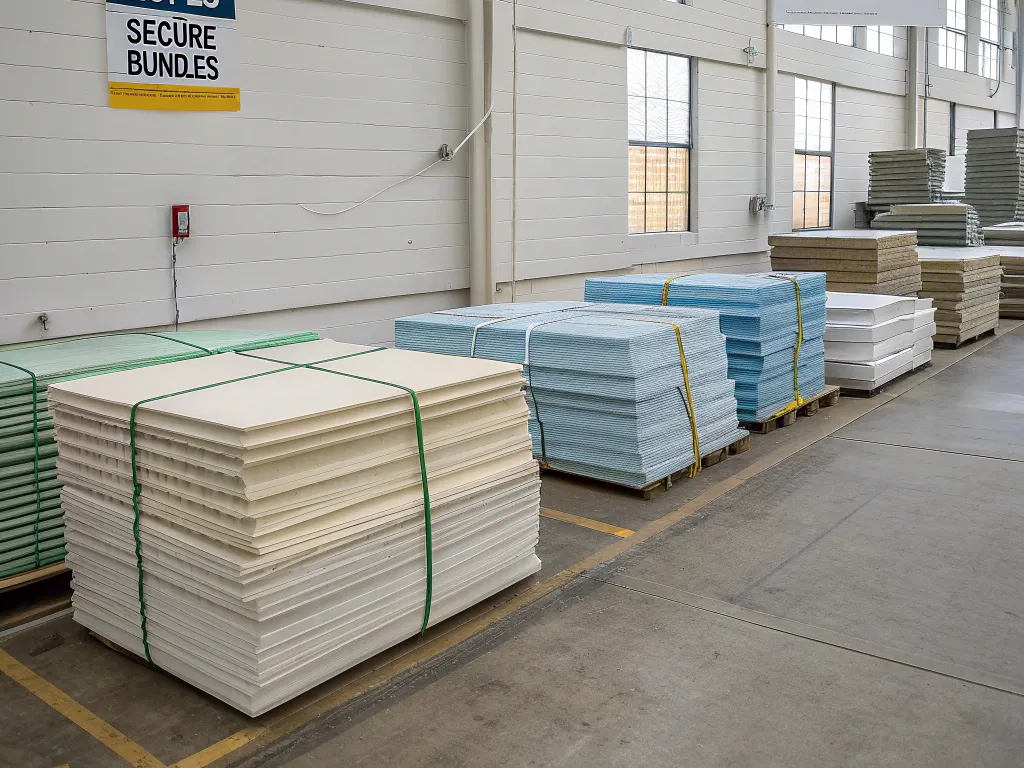
Vinyl siding is typically PVC-based, which makes it a valuable scrap stream when collected in volume. The difficulty is not the base polymer—it’s the contamination package: nails and screws, dirt, wood fragments, and mixed materials from demolition and renovation.
This guide explains a practical equipment flow for recycling vinyl siding into reusable PVC regrind or powder, plus the procurement questions that prevent costly line mismatches.
Quick Takeaways
- Metal removal is essential; fasteners can destroy knives, screens, and bearings quickly.
- Post-consumer siding usually needs more cleaning and separation than post-industrial trim.
- Powder production requires controlled granules, cooling, classification, and dust control—not only shredding.
What Makes Vinyl Siding Different From Other Rigid Plastics
Compared with many PP/HDPE rigid streams, siding scrap often arrives as a demolition mix: fasteners, caulk, paint, wood, insulation fragments, and dirt. That means your line design must be conservative about metal removal and must plan for abrasive wear.
PVC itself is a well-known polymer used in building products; if you need a general materials reference for non-technical stakeholders, see Britannica’s overview of polyvinyl chloride (PVC).
A Practical Vinyl Siding Recycling Flow (Receive → Clean Regrind)
The exact modules change by region and by buyer spec, but most workable lines follow a structure like this:
| Step | Goal | Typical equipment | Buyer watch-outs |
|---|---|---|---|
| 1) Receiving + pre-sort | Remove obvious non-PVC debris and oversize metal | Manual sort, inspection table, magnets | Define acceptance rules; otherwise the line becomes a trash sorter |
| 2) De-metaling (coarse) | Protect cutting equipment | Magnets, metal detection (when justified) | Place magnets before and after size reduction because metal liberation changes with size |
| 3) Shredding | Reduce bulky pieces to a stable feed | Single-shaft shredder | Plan wear parts and access; siding scrap can be abrasive |
| 4) Granulation | Make consistent PVC regrind | Granulator + screen | Screen selection impacts dust, throughput, and downstream washing/grinding |
| 5) Washing + separation + drying (as needed) | Remove dirt and reduce non-PVC contamination | Friction washer, separation stages, dewatering/drying | Size your water treatment interface and define what “clean” means |
| 6) Powder production (optional) | Produce PVC powder for applications that require it | PVC pulverizer/grinding system + classification + dust collection | Powder quality is sensitive to feed cleanliness and cooling |
Step 1: Sorting and De-Metaling (Protect the Line)
Common actions: – remove obvious non-siding debris during receiving – separate large metal pieces before size reduction when possible – add magnets after shredding/granulation to catch fasteners
Step 2: Size Reduction (Shredding and Granulation)
Typical approach: – shred bulky, awkward pieces for stable feeding – granulate into consistent regrind size for washing or grinding
Energycle size reduction references: – single shaft shredder – plastic granulators
Step 3: Washing, Separation, and Drying
Post-consumer siding often carries dirt and non-PVC contamination. Washing lines typically add: – friction washing to remove surface dirt – separation stages appropriate to the contamination mix – dewatering and drying to stabilize the output
Rigid line reference: Energycle’s rigid plastic washing line for PP/HDPE/PVC
Step 4: Powder Production (When the End Market Requires It)
Some PVC applications use powder or dry blend rather than coarse regrind. Powder production typically requires: – controlled, clean granules as feedstock – grinding/pulverizing with cooling and classification – dust management for safe, consistent handling
Equipment reference: Energycle’s PVC plastic grinding machine
Quality and Compliance Notes
Older PVC building products may contain additives restricted in some markets. If you export or sell into stricter supply chains, plan for documentation and appropriate use conditions.
For Europe, Commission Regulation (EU) 2023/923 amended REACH restrictions related to lead in PVC articles. If your output might enter regulated markets, validate your feedstock origin, intended uses, and documentation plan early—before you scale supply. (Source: Commission Regulation (EU) 2023/923)
VinylPlus also publishes annual progress reporting on PVC sustainability and recycling efforts in Europe, which can help you understand how recycling initiatives describe targets and reporting. (Source: VinylPlus Progress Report 2024)
What to Ask Suppliers (So Quotes Are Comparable)
| Question | Why it matters | What a solid answer includes |
|---|---|---|
| What is your assumed fastener load and metal removal plan? | Prevents catastrophic damage and downtime | Magnet stages, cleaning method, detection strategy, and protection for the granulator |
| What output size do you guarantee and how is it screened? | Controls downstream washing, extrusion, and powder production | Screen options, changeover time, expected dust/fines behavior |
| Do I need washing for my siding stream? | Washing drives opex and water treatment needs | Decision based on contamination and buyer spec, not a generic recommendation |
| What is the wear-part plan? | Wear cost can dominate opex on abrasive streams | Knife life assumptions, spare parts list, maintenance time estimates |
| If I need powder, what classification and dust control is included? | Powder quality and housekeeping depend on it | Cooling method, classifier concept, dust collector sizing, packaging plan |
FAQ (Real Procurement Questions)
Do I need a washing line for vinyl siding scrap?
It depends on your contamination and your buyer’s spec. Post-industrial siding trim (clean, known formulation) may run with minimal cleaning, while demolition siding often needs washing to remove dirt and reduce non-PVC contamination before it becomes sellable regrind. Washing adds operating cost and requires you to plan for dewatering, drying, and a wastewater interface, so don’t buy it “just in case.” Ask your buyer what they reject (visible dirt, ash content, mixed polymers, odor), then sample your inbound material and compare it to that spec. If the buyer’s acceptance is tight, washing is usually cheaper than customer returns.
What’s the safest way to handle nails and screws in a siding recycling line?
Treat metal removal as a multi-stage design, not a single magnet. Remove large metal during receiving, then use magnets before shredding and again after shredding/granulation because metal becomes liberated as size reduces. If your inbound stream has unpredictable fasteners, consider detection and interlocks to prevent metal from entering the granulator. Also plan how magnets are cleaned and how often; dirty magnets reduce separation performance and increase risk. The goal is simple: protect knives and screens so your downtime is planned, not forced by damage.
What output size should I target for PVC regrind?
Target the size your downstream buyer or your own extruder needs, not the smallest size your granulator can make. Smaller sizes can increase dust and wear, and can raise operating cost without improving value. Many buyers want a consistent regrind size distribution that feeds reliably and keeps melt filtration stable. Ask your customer for their preferred size range and acceptable oversize percentage, then match screens and granulator configuration to that. If you plan to make powder later, focus on producing clean, consistent granules first; powder systems are sensitive to dirty or inconsistent feed.
Can I make PVC powder from recycled vinyl siding?
Yes, but powder production is not just “more shredding.” Powder systems typically need clean, consistent granules as feedstock, plus cooling and classification to control particle size and prevent overheating. Dust control becomes a daily operational requirement because PVC powder is fine and can spread quickly. If powder is your end market, ask equipment suppliers to quote the complete powder module stack: pulverizer/grinder, classifier/screening, cooling, dust collection, and packaging. Also validate the powder spec with your buyer (particle size distribution and contamination limits) before you size the system.
Are there compliance concerns with recycling older PVC building products?
There can be, especially if your output might enter regulated markets or sensitive applications. Legacy PVC products may contain additives restricted in some jurisdictions, and compliance requirements can change over time. In the EU, Commission Regulation (EU) 2023/923 amended restrictions related to lead in PVC articles under REACH. The correct response is not “don’t recycle,” but “control the destination”: define approved end uses, separate feedstock streams when needed, and keep documentation that matches your buyer’s requirements. If you export, align compliance expectations before you sign long-term supply contracts.
What’s the fastest way to get comparable equipment quotes?
Send a short RFQ that includes (1) your siding source (post-industrial vs demolition), (2) the metal/wood/dirt contamination you expect, (3) the required output format (regrind or powder), and (4) the buyer’s acceptance tests. Then require suppliers to list modules line-by-line (magnets, shredder, granulator, washing/drying, powder module) and to state wear-part assumptions and maintenance time. If a quote does not define metal removal stages and wear-part expectations, it is not comparable. Use Energycle’s equipment pages as reference anchors when you want to align terminology across bids.
References
- Britannica — Polyvinyl chloride (PVC) overview
- EU — Commission Regulation (EU) 2023/923 (lead in PVC restriction)
- VinylPlus — Progress Report 2024
- Energycle — Recycling solutions
