

PET·HDPE·PP 플레이크용 산업용 원심 건조·탈수기
플라스틱 flakes용 원심 탈수기
A high-speed 원심 탈수 기계 — also known as a 원심 건조기, 플라스틱 건조기, 또는 플라스틱 탈수기 — engineered for PET, HDPE, and PP rigid flakes before thermal drying, extrusion, or storage. Used as an industrial centrifugal dryer in rigid washing lines and a high-speed centrifugal dewatering machine for high-throughput operations. Outlet moisture depends on material type, flake geometry, inlet moisture, screen condition, and downstream setup.
최종 플라스틱 건조 전에 원심 탈수를 사용하는 이유는 무엇일까요?
A centrifugal dewatering machine — also called a plastic dryer or industrial centrifugal dryer — uses mechanical force to remove free water before final drying. This lowers thermal load on your drying system and keeps rigid flakes moving consistently into the next stage.
효율적인 자유수 제거
원심력이 경질 플레이크를 스크린에 충돌시켜 표면수를 빠르게 배출합니다. 경질 플레이크의 공급 흐름이 안정적일 때 배출 수분은 대체로 약 2–3%이지만, 실제 결과는 투입 원료 상태와 장비 설정에 따라 달라집니다.
열에너지 수요 감소
대량의 수분을 기계적으로 제거하면 열풍 건조기 또는 압출 라인의 하류 공정에서 발생하는 증발 부하가 줄어듭니다.
단단한 플레이크에 대한 안정적인 처리량
일관된 배수 및 지속적인 배출이 밀도화보다 중요한 병 조각 및 고형 재분쇄물에 적합하도록 설계되었습니다.
잔류수 및 경미한 오염물질 감소에 도움을 줍니다.
높은 회전 속도와 스크린 접촉은 탈수 과정에서 미세 입자, 오염된 물, 가벼운 잔류물을 제거하는 데 도움이 되어 다음 단계로 넘어가는 플레이크의 상태를 개선합니다.
유지보수 가능한 스크린 및 로터 어셈블리
작동 부품은 점검 및 정비를 통해 시간이 지나도 배수 상태를 안정적으로 유지할 수 있습니다. 스크린 청결도, 로터 상태 및 공급 원료의 일관성은 최종 수분 함량에 직접적인 영향을 미칩니다.
간편한 라인 통합
Commonly installed after a friction washer or sink-float stage and before thermal drying, buffering, or 펠릿화.
일반적인 재료 및 생산 라인 위치
An industrial centrifugal dewatering machine fits rigid plastic recycling lines where fast mechanical dewatering is the priority. The same machine is sold under several names — centrifugal dryer, plastic dryer machine, spin dryer, or vertical centrifugal dewatering machine — depending on market and supplier.
PET 병 플레이크
세척 후 열풍 건조, 결정화 또는 압출 준비 전에 표면 수분을 낮추기 위해 사용됩니다.
HDPE 및 PP 경질 재생 분말
세척된 상자, 드럼 및 사출 성형 폐기물 조각과 같이 배수 및 안정적인 배출이 필요한 곳에 적합합니다.
열 시스템 설치 전 사전 건조
파이프라인 건조기의 열 부하를 줄여 전체 건조 시스템의 효율적인 작동을 돕습니다.
견고한 세척 라인
A common dewatering stage in PET, HDPE, and PP rigid flake lines after washing and before storage or 펠릿화.
원심 탈수기의 작동 원리
세척된 단단한 플레이크에서 다량의 물을 신속하게 제거하는 간단한 기계적 공정입니다.
습식 플레이크 사료
세척된 PET, HDPE 또는 PP 플레이크는 상류 세척 단계에서 기계로 투입됩니다.
고속으로 회전
메인 샤프트와 패들은 고속으로 회전하여 스크린 하우징 내부에 강력한 원심력을 발생시킵니다.
자유수를 배출합니다
물이 메쉬 스크린을 통과하는 동안 재료는 작업실을 계속 이동합니다.
배출 건조기 플레이크
이 기계는 건조된 재료를 이송하여 열 건조, 완충 또는 압출 준비를 위해 배출합니다.
습식 플레이크 사료
세척된 PET, HDPE 또는 PP 플레이크는 상류 세척 단계에서 기계로 투입됩니다.
고속으로 회전
메인 샤프트와 패들은 고속으로 회전하여 스크린 하우징 내부에 강력한 원심력을 발생시킵니다.
자유수를 배출합니다
물이 메쉬 스크린을 통과하는 동안 재료는 작업실을 계속 이동합니다.
배출 건조기 플레이크
이 기계는 건조된 재료를 이송하여 열 건조, 완충 또는 압출 준비를 위해 배출합니다.
원심 탈수 방식이 경질 플라스틱 플레이크에 적합한 이유
이 기술은 세척과 최종 건조 사이의 간극을 메워주며, 열을 이용한 증발 방식보다 적은 에너지로 다량의 물을 제거합니다.
| 선택 요인 | Centrifugal Dewatering Machine / Plastic Dryer (this page) | 열 건조만 가능 | 필름 압착기/밀도증진기 |
|---|---|---|---|
| 최고의 소재 유형 | 경질 PET, HDPE 및 PP 플레이크 | 다양한 재료를 건조할 수 있지만, 모든 수분은 증발을 통해 처리합니다. | 주로 필름 및 연질 플라스틱에 사용됩니다. |
| 대량 물 제거 | 최종 건조 전 빠른 기계적 배수 | 열 부하 및 에너지 수요 증가 | 습윤 필름에는 효과적이지만, 단단한 플레이크에는 일반적으로 선택되는 제품은 아닙니다. |
| 라인 위치 | 세척 후, 열 건조 또는 압출 준비 전 | 일반적으로 마지막 건조 단계로 사용됩니다. | 밀집화도 필요할 때 주로 선택됩니다. |
| 출력 양식 | 다음 단계를 위해 단단한 조각들이 자유롭게 흐를 수 있도록 유지합니다. | 출력은 그대로 유지하면서 증발량은 증가시킵니다. | 부피 밀도와 출력 형태를 변경할 수 있습니다. |
| 에너지 전략 | 먼저 기계적인 방법으로 대부분의 자유수를 제거합니다. | 주로 열에너지에 의존합니다. | 압축 및 마찰에 따라 다르며, 일반적으로 적용 분야가 다릅니다. |
기술 사양
Reference models for the industrial centrifugal dewatering machine and centrifugal dryer line — covering 400 kg/h to 2,000 kg/h capacities. Throughput varies with material type, flake size, and inlet moisture. Larger high speed centrifugal dewatering machines and custom plastic dryer machine configurations are available on request.
| 모델 | 모터 파워 | 메인 샤프트 직경 | 회전 속도 | 용량(kg/h) |
|---|---|---|---|---|
| EC-CD400 | 37kW | 400mm | 1400 RPM | 400 – 800 |
| EC-CD550 | 45kW | 550mm | 1200 RPM | 600 – 1000 |
| EC-CD750 | 55kW | 750mm | 1080RPM | 1200 – 2000 |
머신 갤러리
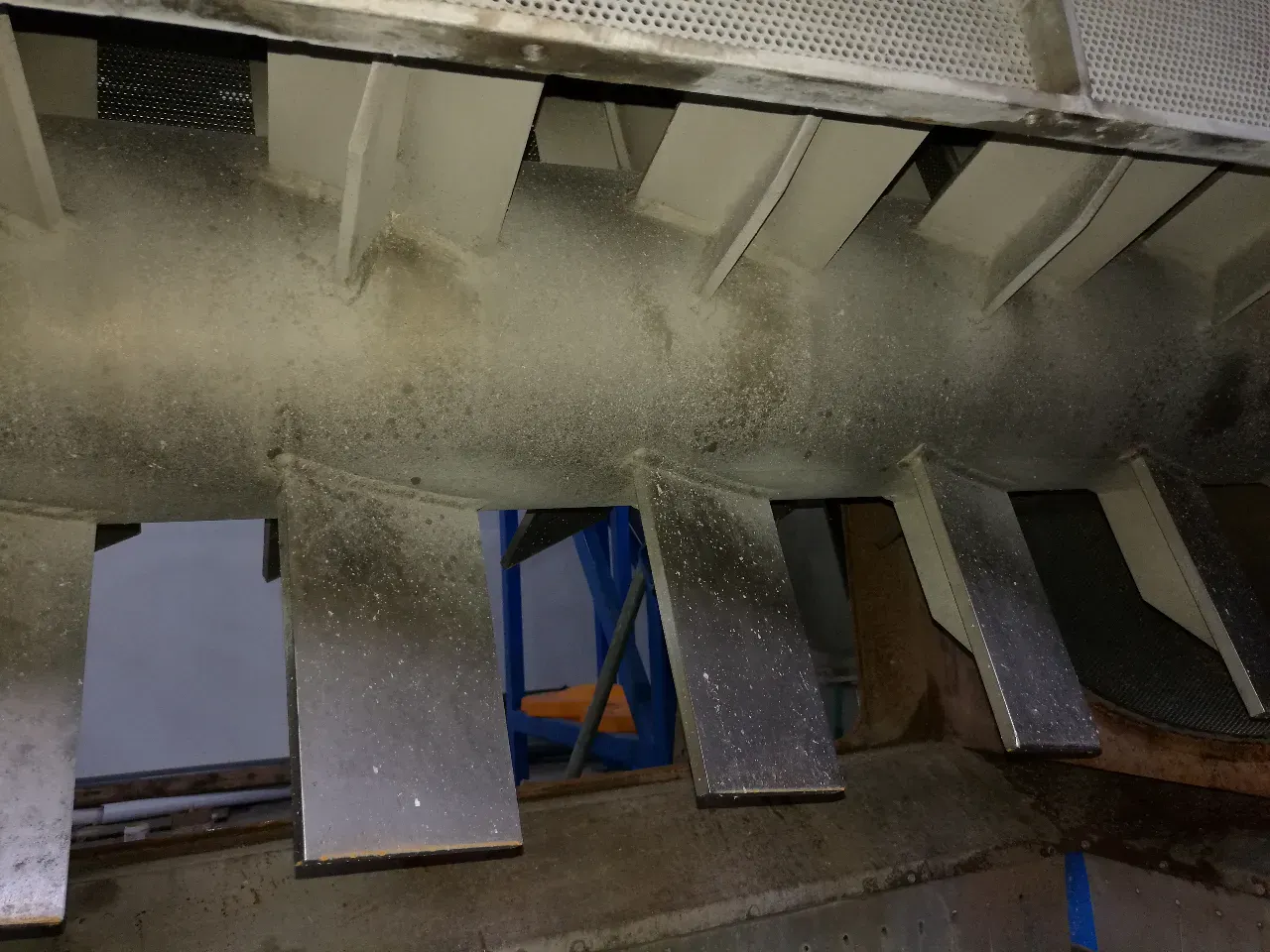
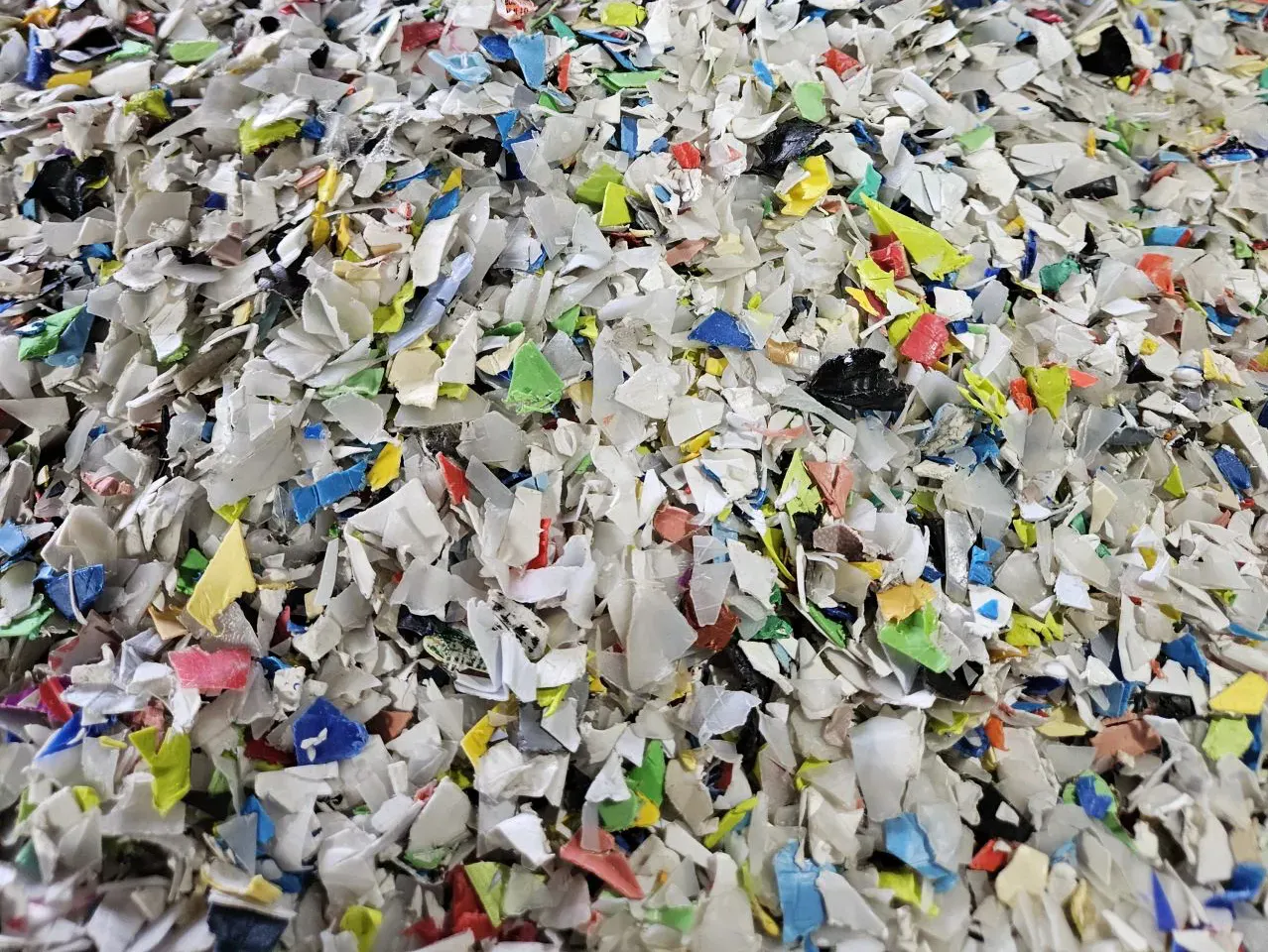
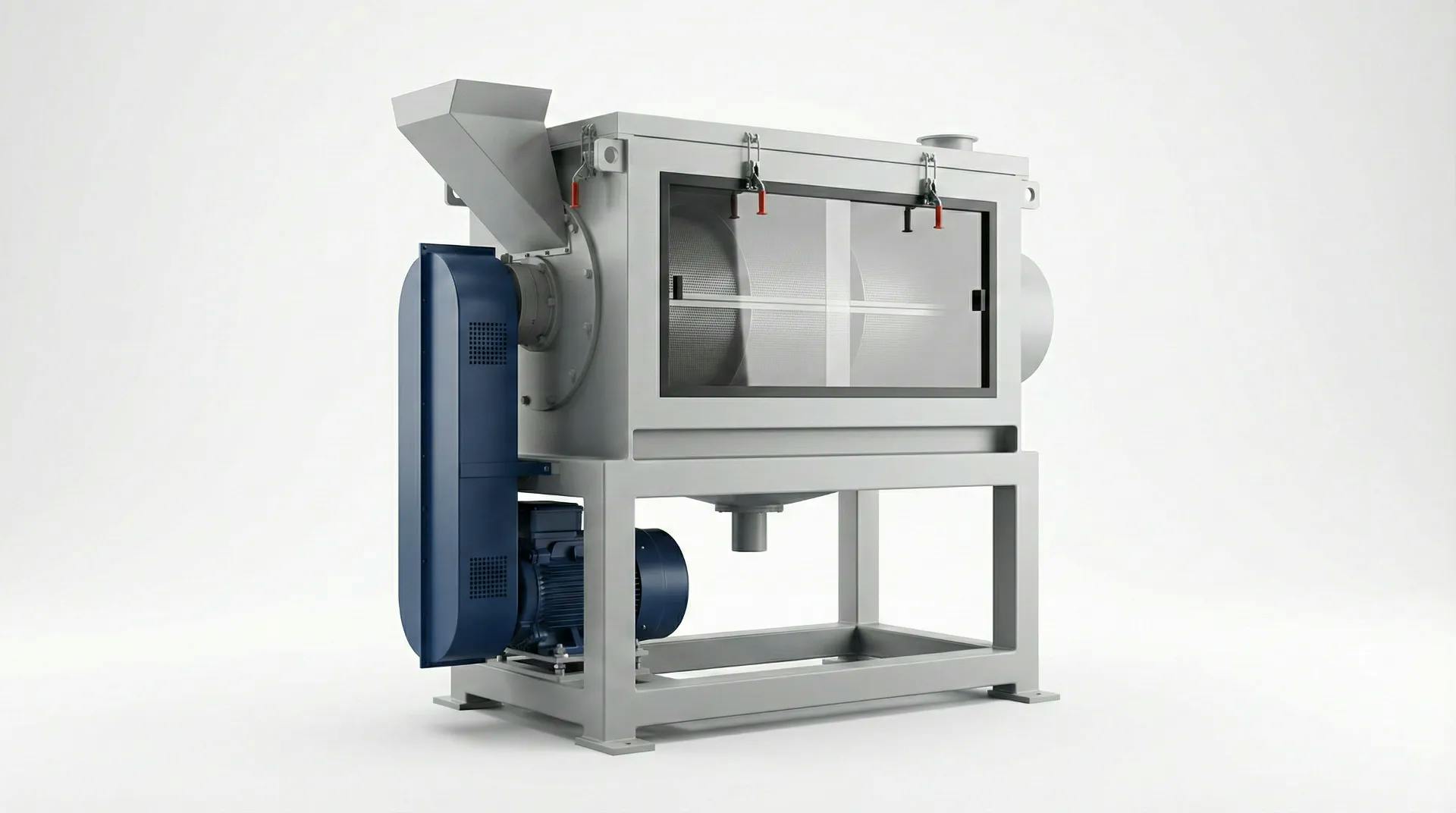
경질 플라스틱 플레이크 적용을 위한 로터 세부 정보, 탈수 처리된 출력물 및 기계 구조.
기계가 작동하는 모습을 보세요
탈수 단계가 세척과 최종 건조 단계 사이에 어떻게 위치하는지 살펴보세요.
장비 수명 주기 전반의 안정적인 지원
설치 계획부터 일상 정비까지, 서비스 팀이 장비가 안전하고 일정하며 효율적으로 운영되도록 돕습니다.
1년 제한 보증
주요 기계 및 전기 부품의 제조 결함을 1년간 보증합니다. 일반 마모 부품과 잘못된 운전으로 인한 손상은 별도로 처리됩니다.
설치 가이드
원활한 설치와 안정적인 시운전을 위해 레이아웃, 기초, 유틸리티, 여유 공간, 라인 통합, 시운전 가이드를 제공합니다.
예비 부품 공급
정기 정비와 장기 운전을 위한 마모 부품, 베어링, 실, 센서, 전기 부품 및 기타 서비스 품목을 공급합니다.
기술 지원
프로젝트가 추가 지원이 필요할 때 원격 점검, 운전 권고, 정비 가이드, 선택적 현장 서비스를 제공합니다.
자주 묻는 질문
경질 플라스틱 플레이크의 원심 건조에 대한 주요 구매 및 적용 관련 질문.
주로 PET 병 플라스틱 파편과 같은 단단한 플라스틱 파편, 단단한 HDPE 또는 PP 재생재료에 특화되어 있습니다. 소프트 PE 또는 PP 필름은 다른 드레인링 접근 방식, 예를 들어 필름 압착기.
경질 플레이크는 안정적인 운전 조건에서 배출 수분이 대체로 약 2–3%입니다. 실제 성능은 투입 수분, 플레이크 크기, 로터 속도, 스크린 사양 및 유지보수 상태에 따라 달라집니다.
대부분의 경우 그렇습니다. 원심 건조는 다량의 자유수를 효율적으로 제거하지만, 많은 압출 성형 및 고사양 응용 분야에서는 최종 수분 함량 목표치를 낮추기 위해 여전히 열 건조 단계가 필요합니다.
스크린 하우징은 청소, 점검 및 교체를 위해 열 수 있습니다. 안정적인 배수와 예측 가능한 배출수량을 위해서는 스크린 상태가 양호해야 합니다.
사용하시는 재료의 종류, 목표 처리량, 일반적인 플레이크 크기, 투입 수분 함량, 상류 세척 단계, 그리고 기계 뒤에 열 건조기 또는 압출 시스템이 있는지 여부를 알려주시기 바랍니다.
A centrifugal dryer for a 1 ton/hour line typically uses a 45-90 kW motor. This is significantly less energy per kg of water removed compared to thermal drying, because water is expelled mechanically rather than evaporated. Combining centrifugal dewatering with a 열 건조기 minimizes total energy consumption — see our centrifugal vs. air drying energy comparison for the calculations.
Centrifugal dryers are optimized for rigid flakes (PET, HDPE, PP). For plastic film, a 필름 압착기 is recommended instead, as it simultaneously removes water and densifies the film. Some recycling lines use both a squeezer and a centrifugal dryer in sequence for maximum dewatering.
In the plastic recycling industry, “centrifugal dryer,” “spin dryer,” and “centrifugal dewatering machine” all refer to the same type of equipment. The machine uses a high-speed rotating screen drum to mechanically separate water from washed plastic flakes through centrifugal force.
Yes — they are the same machine. Recycling plants and equipment buyers use both terms interchangeably. “Centrifugal dewatering machine” emphasizes the mechanical water-removal function. “Centrifugal dryer” emphasizes the moisture-reduction outcome. Manufacturers also market them as plastic dryers, plastic dewatering machines, or spin dryers depending on the target market. The mechanical principle — high-speed rotor inside a perforated screen housing — is identical.
산업용 원심 건조기는 플라스틱 재활용 라인에서 세척된 플레이크의 표면수를 제거한 뒤 열풍 건조 또는 압출 공정으로 보내기 위해 사용됩니다. 일반적으로 마찰 세척기 또는 비중 선별조 다음, 열풍 건조기 또는 펠릿타이저 앞에 설치합니다. 시간당 1톤 처리 기준으로 산업용 원심 건조기는 보통 45–55 kW 모터를 사용하며, 적합한 운전 조건에서 세척 후 수분을 30–40%에서 약 2–3%로 낮춥니다. 실제 결과는 투입 수분, 플레이크 크기, 공급 안정성, 로터 속도, 스크린 상태 및 장비 설정에 따라 달라지며, PET 압출처럼 더 낮은 수분이 필요한 공정에는 후단 열풍 건조가 계속 필요할 수 있습니다.
에이 vertical centrifugal dewatering machine has a vertical rotor shaft and is more compact, suited for limited floor space and lower-capacity lines (400–800 kg/h). A horizontal centrifugal dewatering machine has a horizontal rotor with paddles that convey material along the screen — better for higher capacities (1,000–3,000+ kg/h) and continuous operation. Horizontal designs typically achieve more uniform dewatering on rigid flakes; vertical designs are easier to clean and service.
An industrial plastic dryer machine for recycling lines typically ranges from $8,000 USD (compact 400 kg/h, 37 kW model) to $35,000+ USD (heavy-duty 2,000 kg/h, 55 kW horizontal centrifugal dewatering machine). Final price depends on motor power, rotor diameter, screen specification, material of construction (carbon steel vs SS304), and optional features such as automatic discharge control or integrated dust hood. Request a quote with your throughput and material type for an accurate figure.
플라스틱 건조 라인의 탈수 효율을 향상시키세요
Tell us your material, moisture target, throughput, and upstream or downstream equipment. We will recommend the right centrifugal dewatering machine, plastic dryer, or industrial centrifugal dryer model — vertical or horizontal — for your line.