

Data reviewed: 12 August 2026. PVC 생산 및 배출 통계는 종종 다른 연도, 지역 및 정의를 가진 소스에서 결합됩니다. 이 가이드는 전 세계 모든 플라스틱 데이터를 PVC 특수 유럽 프로그램 데이터로 분리하고 각 숫자가 무엇을 보여줄 수 있으며 무엇을 보여줄 수 없는지 설명합니다.
검증된 수치와 그 범위
| 미터법 | 참조 연도 | 보고된 값 | 범위 및 제한 |
|---|---|---|---|
| 전 세계 플라스틱 생산 | 2019 | 460 million tonnes | 모든 플라스틱; OECD 추정치, 단순히 PVC 생산만이 아닙니다 |
| 전 세계 플라스틱 쓰레기 | 2019 | 3억 5300만 톤 | 모든 플라스틱; OECD 추정치 |
| 최종 재활용된 플라스틱 쓰레기 | 2019 | 9% | 재활용 후 모든 플라스틱 쓰레기; PVC 재활용 비율이 아닙니다 |
| 연소된 플라스틱 쓰레기 | 2019 | 19% | 모든 플라스틱; 전 세계 OECD 모델 |
| 폐기물 매립된 플라스틱 쓰레기 | 2019 | 약 50% | 모든 플라스틱; OECD 보고서의 위생 매립 분류 |
| 잡히지 않은 플라스틱 쓰레기 | 2019 | 22% | 모든 플라스틱; 무제한적인 배출, 공개 연소 또는 유출 |
| VinylPlus 내 재활용된 PVC 쓰레기 | 2025 | 765,972 톤 | 유럽 VinylPlus 프레임워크; 전 세계 PVC 재활용이 아닙니다 |
출처: OECD Global Plastics Outlook 및 VinylPlus 2026년 진행 보고서 주요 사항. 값은 원래 범위로 재생산되었으며 새로운 전 세계 PVC 비율로 병합되지 않았습니다.
이곳에 현재 “전 세계 PVC 생산” 수치가 하나도 없는 이유
공개 PVC 수치는 원료 생산 추정치, 수요 예측, 고분자 소비, 변환자 사용 및 무역 데이터에서 나옵니다. 이들은 원생 플라스틱만을 포함하거나 복합물과 재활용 내용을 포함할 수 있으며, 지역과 연도도 다릅니다. 상업 시장 보고서는 종종 방법이 완전히 접근 가능하지 않은 추정치를 발표합니다.
A defensible global PVC production value should identify the reporting organisation, year, geography, unit, product boundary and whether the method is available. Without those fields, a precise-looking value can mislead comparisons.
What the OECD numbers mean
The OECD estimated that annual global plastics production rose from 234 million tonnes in 2000 to 460 million tonnes in 2019, while plastic waste increased from 156 million tonnes to 353 million tonnes. After accounting for recycling losses, it reported that 9% of plastic waste was ultimately recycled.
These figures provide global context for plastics as a whole. They must not be presented as PVC-specific production, disposal or recycling rates. PVC has different product lifetimes and applications from short-lived packaging polymers; construction products can remain in use for decades, so annual resin production and annual PVC waste generation are not interchangeable.
What the latest VinylPlus figure means
VinylPlus reports that 765,972 tonnes of PVC waste were recycled within its framework in 2025. Its public summary states that 58.8% was pre-consumer waste and 41.2% was post-consumer waste. The report is a current, auditable measure of the programme’s European activity.
It is not the total amount of PVC recycled worldwide, the total PVC waste generated in Europe or a global recycling rate. Programme boundaries, participating countries, data verification and counted streams should remain attached whenever the number is quoted.
PVC applications make waste timing difficult to compare
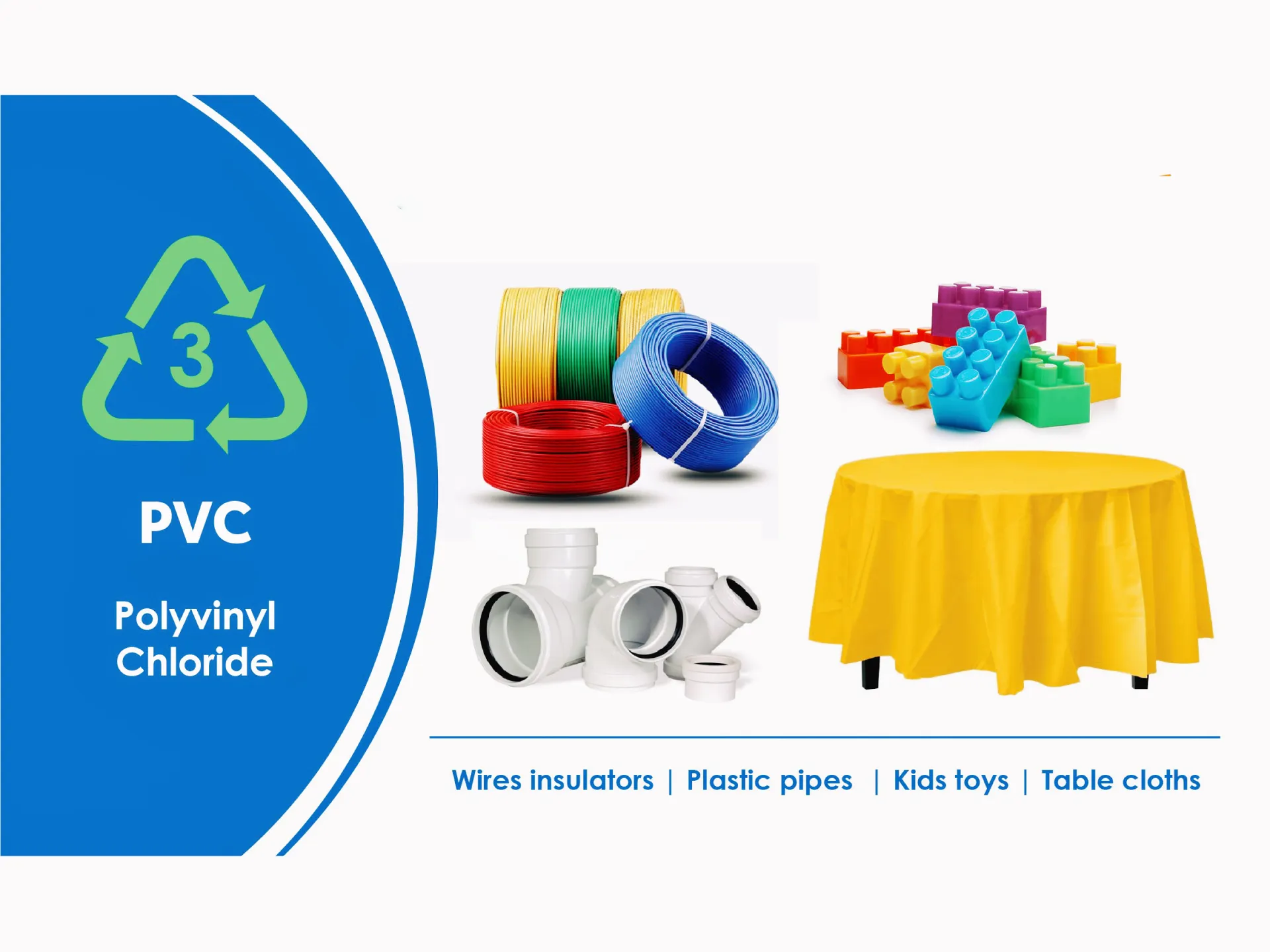
PVC is used in long-life building products such as profiles, pipes, flooring and cables, as well as shorter-life packaging and consumer products. Additives, fillers, plasticisers, stabilisers, colours and composite construction vary across these applications.
A production total for one year does not become waste in the same year. A useful material-flow study needs product lifetimes, imports and exports, stock in use, demolition activity and collection. This is why a production number should not be combined directly with a current recycling tonnage to calculate a PVC recycling percentage.
Disposal terms must be defined
“Disposal” can mean landfill only, or it can be used loosely for all non-recycled material. OECD separates recycling, incineration, sanitary landfill and mismanaged waste for its 2019 all-plastics model. National statistics may use different categories, especially where energy recovery is reported separately.
When comparing PVC data, check whether incineration includes energy recovery, whether exported waste is assigned to the exporting or receiving country, and whether recycling is measured at collection, sorting input or accepted recyclate output.
Why PVC matters in PET bottle recycling
PVC is a critical contaminant in PET recycling because both materials commonly report to the sink fraction in a water-based tank. Density separation can remove many floating PE or PP closures from sinking PET, but it cannot reliably split PVC from PET.
PVC can degrade under PET processing conditions and affect colour and material properties. The allowable level depends on the buyer, application and test method rather than one universal threshold. The Association of Plastic Recyclers’ PET rigid design guidance treats PVC components as detrimental to PET reclaiming.
See the separate technical article on PVC contamination in PET bottle recycling for detection and process controls.
How recyclers control PVC-containing streams
- Define the stream: keep PET bottles, PVC profiles, pipes, cable, flooring and mixed rigid waste under separate intake specifications where practical.
- Sort before shredding: remove identifiable non-target products while they are large enough to recognise.
- Use validated detection: optical or other sensor sorting should be tested on actual colour, shape, labels and throughput.
- Apply density separation correctly: use it for compatible float/sink pairs, not as proof that PET and PVC have separated.
- Control additives and legacy products: 하위 구매자와 적용 규제와 함께 제한된 물질 및 응용 분야를 정의하세요.
- 테스트 출력: 구매자의 규격에 맞는 연구소 방법과 횟수를 사용하세요.
장비는 모든 PVC 흐름을 동일하게 만들지 않습니다
에이 강성 플라스틱 세척 라인 정의된 PVC 또는 혼합 고정형 원료를 설정할 수 있지만, 씻기는 대상 표면 오염을 제거합니다; 그러나 폴리머, 추가제, 제품 역사 차이를 지우지 않습니다. 고정형 PVC 프로파일 흐름과 유연형 PVC 케이블 복합물은 다른 분류, 크기 감소, 먼지 통제 및 배출이 필요할 수 있습니다.
재료와 최종 규격이 문서화된 후에만 쇼더, 그란ولا이저, 워싱, 분리기, 드라이어를 선택하세요. 재료, 반출물 및 수용된 제품의 건조 질량 균형을 유지하여 재활용 주장이 실제 출력을 참조하도록 합니다.
PVC 통계를 책임 있게 인용하는 방법
- 원래 출판자를 명시하고 정확한 출처를 링크하세요;
- 참조 연도, 지역 및 폴리머 범위를 명시하세요;
- 생산, 소비, 폐기물 발생, 수집 및 수용된 재활용물을 구분하세요;
- 데이터가 측정되었는지, 참여자에 의해 보고되었는지, 모델링되었는지 명시하세요;
- 프로그램 톤수를 글로벌 재활용율로 변환하지 마세요;
- 데이터 테이블이 마지막으로 검토된 날짜를 표시하세요.
자주 묻는 질문
매년 전 세계적으로 얼마나 많은 PVC가 생산되나요?
Published estimates vary by year and product boundary. This article does not repeat a single value without a current, transparent source that defines resin, compounds, recycled content and geography.
OECD 9% 재활용 수치가 PVC 재활용율인가요?
아니요. 이는 재활용 손실 후 2019년 전 세계 플라스틱 폐기물에 대한 OECD의 추정치이며, PVC 특정 비율이 아닙니다.
PVC를 PET에서 제거할 수 있는 심불식탱크가 있습니까?
물에 잘 안 잠기기 때문에 신뢰성이 떨어집니다. PET 재활용기는 PVC 통제를 위해 상류 정리, 검증된 감지 및 출력 검사가 필요합니다.
프로젝트 결정에 범위 데이터를 사용하세요
PVC 재활용 프로젝트에서 제품 흐름, 지역, 연간 수집 질량, 추가제 정보 및 구매자 규격과 함께 Energycle를 제공하세요. 통계는 문맥을 설정할 수 있지만, 장비 용량 및 출력 주장은 대표적인 재료 시험에서 나오야 합니다.
