

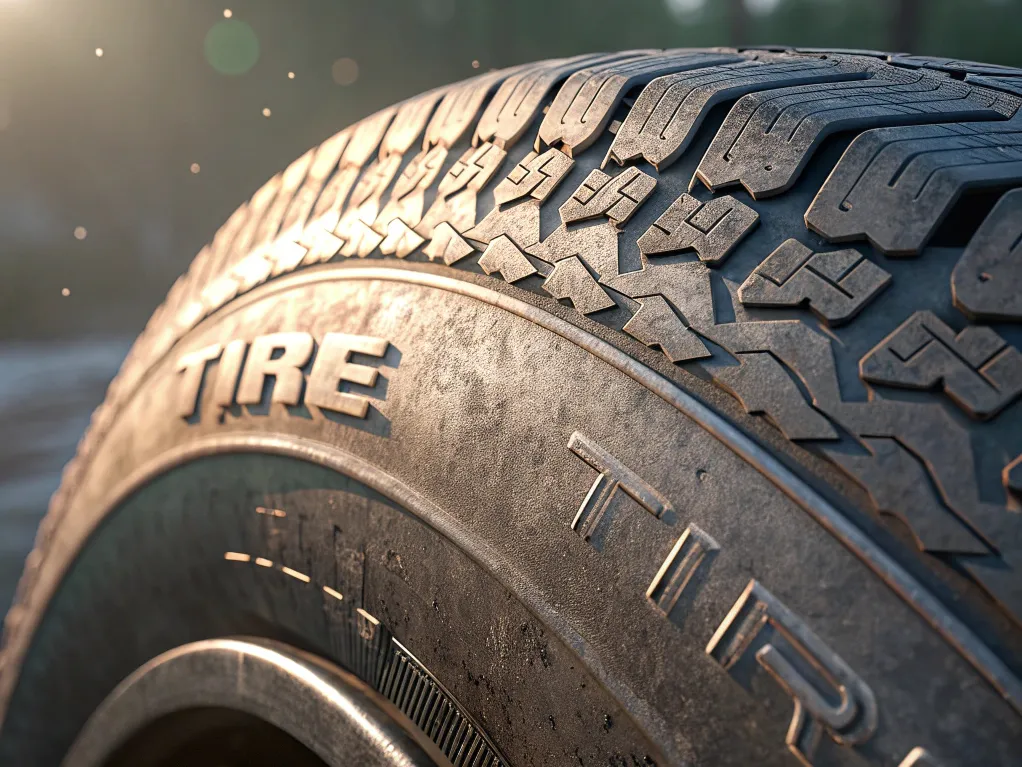
Tire sidewalls are cut during some recycling processes to divide a tire into easier-to-handle sections, isolate the bead area or prepare feed for equipment with a limited opening. It is not a mandatory step in every plant. Many primary tire shredders are designed to accept whole passenger tires, while oversized truck, agricultural or off-road tires may require pre-cutting.
The correct sequence depends on tire dimensions, steel construction, shredder design and required output—not on a general rule that the sidewall is harder than the tread.
Sidewall cutting, bead removal and tire cutting are different
| Operation | What it does | Why it may be used |
|---|---|---|
| Sidewall cutting | Separates one or both sidewall sections from the tread band | Reduces piece geometry or creates separate feed fractions |
| Debeading | Pulls or cuts the high-tensile bead-wire bundle from the bead area | Recovers steel early and reduces heavy wire entering downstream machines |
| Tire block cutting | Cuts a whole or partially prepared tire into large blocks | Fits oversized tires into a shredder or prepares a defined feed |
| Whole-tire shredding | Feeds an intact accepted tire into a primary shredder | Avoids pre-cutting when the shredder and downstream line are designed for it |
A sidewall cutter does not necessarily remove the bead wire. The cutting path may leave the bead inside the sidewall ring, which then needs a separate debeading or recovery step.
Reason 1: make oversized tires fit the next machine
A shredder has a defined hopper, cutting-chamber width, rotor geometry and drive capacity. Passenger tires may fit whole, while truck, agricultural, mining and construction tires can exceed the accepted size. Cutting the sidewall or dividing the tire into blocks can create a feed that the machine can receive and grip safely.
Measure the largest outside diameter, section width, bead diameter and tire mass. Supplier trials should include the largest and most heavily reinforced tire expected, not only an average passenger tire.
Reason 2: manage bead wire before size reduction
The bead contains high-tensile steel wire that anchors the tire to the rim. Removing it before shredding may reduce concentrated steel entering knives and screens, recover a separate metal fraction and simplify later liberation. Whether early debeading is worthwhile depends on the shredder, tire mix, steel-recovery system, labor and saleable products.
Sidewall removal alone should not be described as clean bead recovery. A tire debeading machine is designed specifically to extract the bead-wire ring from suitable tires.
Reason 3: create separate tread and sidewall feed
Tread and sidewall use different rubber compounds and reinforcement arrangements. Some recycling or reuse processes intentionally separate them for products, samples or equipment that require a particular geometry. This does not mean each fraction is chemically pure: both can contain multiple rubber compounds, textile and steel components.
If the final product is general tire-derived aggregate or crumb rubber, whole-tire shredding followed by staged steel and fiber separation may be more efficient. Evaluate the required product before adding a cutting step.
Reason 4: stabilize feeding in a staged line
Round, elastic tires can bounce, bridge or present an inconsistent bite to equipment that was not designed for the full tire. Rings or blocks may be easier to meter. However, extra pieces also require conveyors, guarding, labor and storage. A sidewall cutter should be evaluated as part of the full tire recycling line, not as an automatic capacity upgrade.
Does sidewall cutting reduce blade wear?
It can reduce concentrated bead-wire loading if the bead is actually removed, and it may prevent overlarge tires from overloading an unsuitable shredder. But cutting creates its own blade wear, labor and maintenance. A whole-tire shredder engineered for the accepted tire range may not need this step.
Compare knife life and energy by tonnes of accepted product at the same tire mix. Claims that sidewall removal always extends shredder life or increases throughput need a controlled test.
Typical process routes
Route A: whole-tire primary shredding
- Inspect tires and remove rims and prohibited objects.
- Feed accepted whole tires to the primary tire shredder.
- Classify and recirculate oversize material.
- Use magnetic separation to recover liberated steel.
- Continue granulation and fiber separation to the target product.
Route B: debead and pre-cut
- Inspect and sort tires by accepted size and construction.
- Remove bead wire where the process requires it.
- Cut sidewalls or blocks with dedicated equipment.
- Meter prepared pieces to shredding and granulation.
- Separate remaining steel and textile through staged processing.
Neither route guarantees steel-free crumb. Magnet placement, liberation size, recirculation, screening and quality control remain necessary.
When a sidewall cutter makes sense
- The received tire is larger than the next machine’s validated feed opening.
- The product route benefits from separate sidewall rings or tread bands.
- Bead extraction is part of the planned steel-recovery sequence.
- A representative trial shows better mass throughput, uptime or product quality after accounting for the extra step.
When it may be unnecessary
- The primary shredder is rated and demonstrated for the complete tire mix.
- The downstream process is designed to liberate and recover steel from whole-tire shreds.
- Pre-cutting labor, safety controls and bottlenecks exceed the measured benefit.
- The final product does not require separate tread or sidewall fractions.
Safety and purchasing checklist
Tires can store elastic energy, and cutting exposes steel wire and sharp edges. Use trained operators, fixed guarding, two-hand or interlocked controls where designed, suitable material restraints, handling aids and the manufacturer’s lockout/tagout procedure. Do not hold a tire by hand near a moving blade.
When selecting a waste tire cutting machine, specify:
- Passenger, truck, agricultural or OTR tire range
- Maximum dimensions, mass and reinforcement
- Required ring or block geometry
- Feeding, positioning and discharge method
- Guarding, safety functions and maintenance access
- Blade material, sharpening method and spare-parts plan
- Measured cycle capacity using representative tires
For crumb or powder production, connect the pre-cutting decision to the rubber grinding system and the final particle, steel and fiber specification.
Frequently asked questions
Must every tire sidewall be cut before shredding?
No. Many tire shredders accept whole tires within a defined size range. Pre-cutting is used when tire size, equipment configuration or the required product makes it beneficial.
Does cutting off the sidewall remove the bead wire?
Not always. The bead can remain inside the removed sidewall ring. A dedicated debeading step is required when the process calls for early bead-wire extraction.
How should a plant compare whole-tire and pre-cut routes?
Run representative tires and compare safe labor, mass throughput, electricity, blade wear, downtime, steel recovery, product quality and the cost of the additional cutter.
