

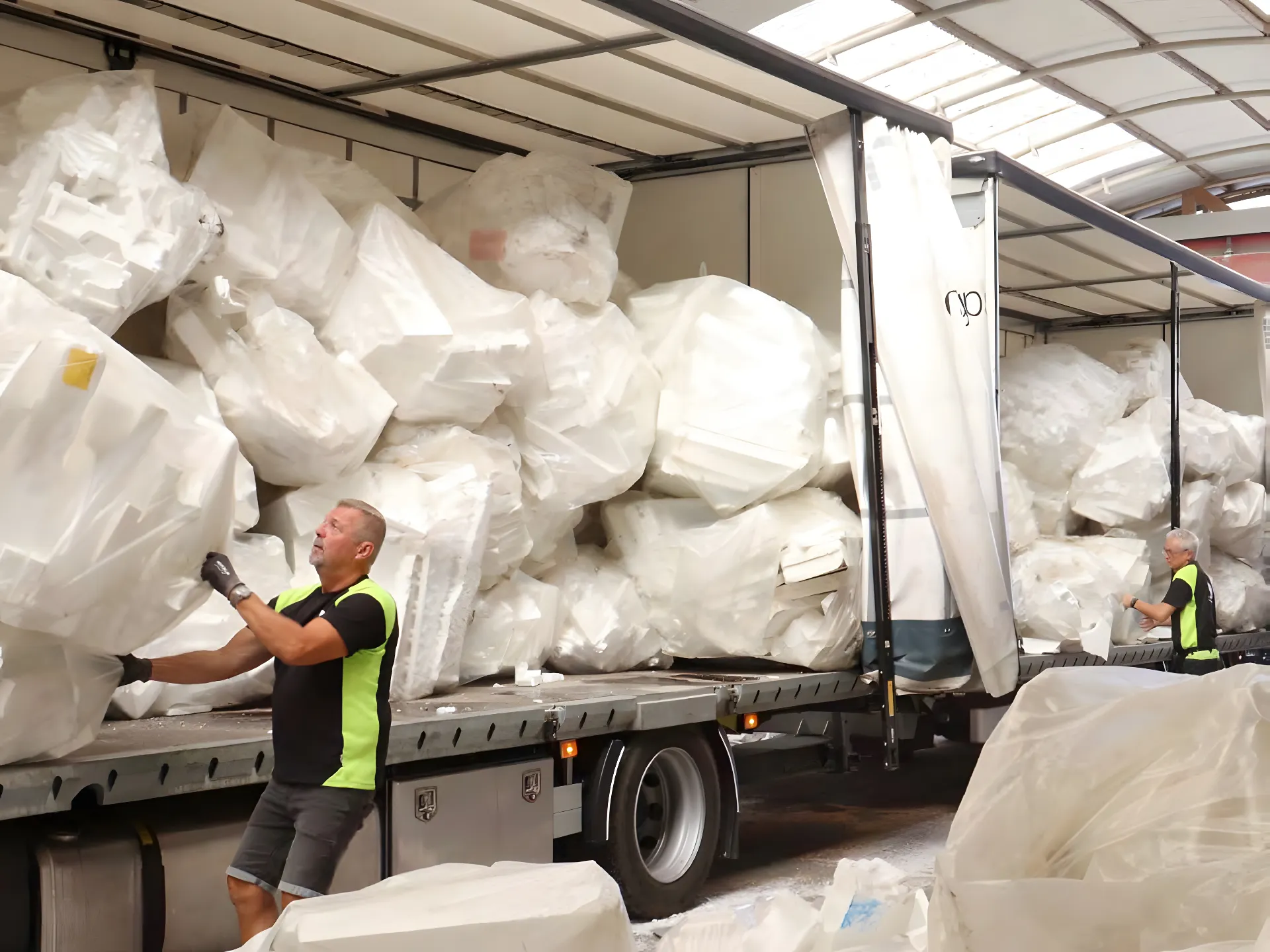
Foam Recycling Machines: Types, Benefits and Applications
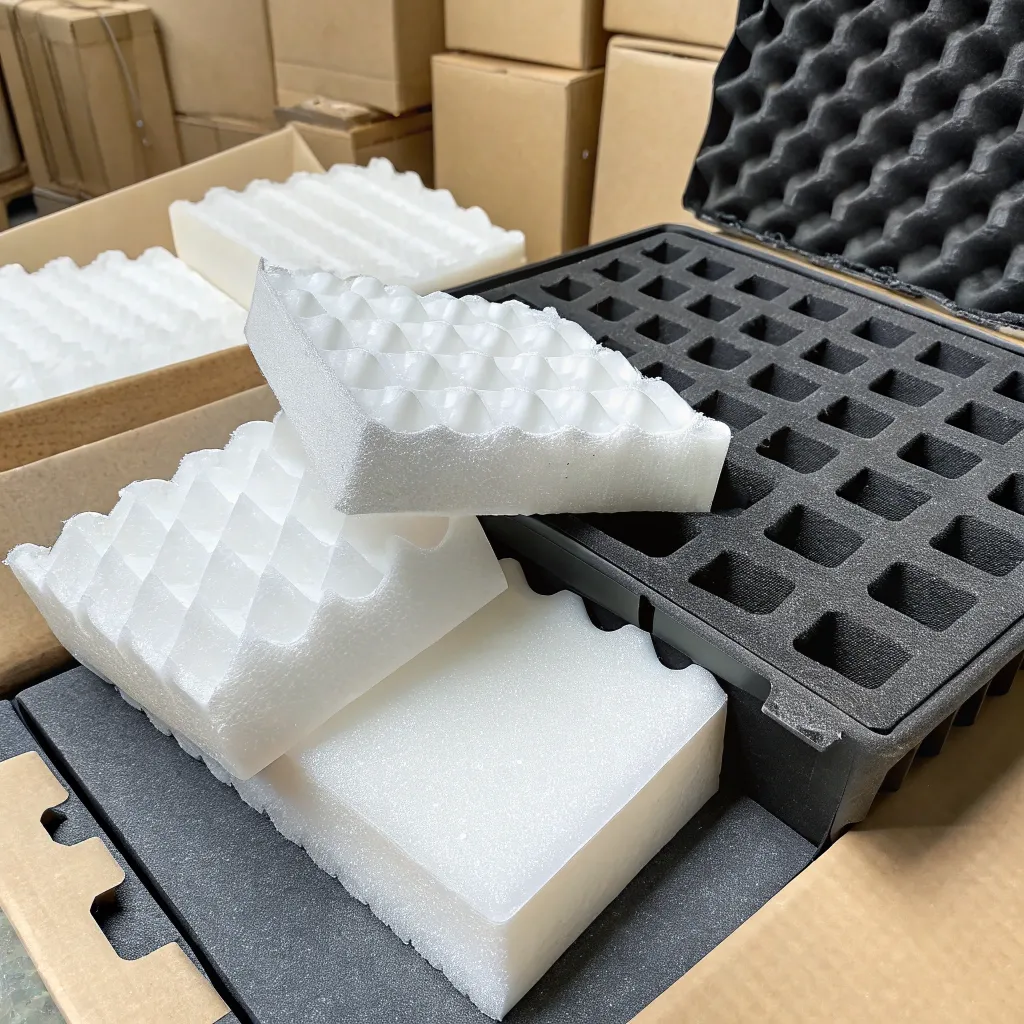
Foam recycling equipment is not a single machine category. Depending on the material and required output, a project may use shredding, cold compaction, thermal densification or extrusion and pelletizing. Each route addresses a different combination of volume reduction, transport, reuse and final-material preparation.
This guide compares the main equipment types, the foam streams they are commonly used for and the site conditions that influence selection. For a step-by-step explanation of how material moves through a recycling system, see the foam recycling process from waste to reusable material.
Understanding Foam Recycling Machines
A foam recycling machine is specialized equipment engineered to process and recycle various types of foam waste efficiently. These machines employ different technologies—including mechanical compression, thermal melting, and shredding—to transform bulky foam waste into dense, manageable materials suitable for repurposing.
By implementing EPS recycling solutions, businesses can dramatically reduce their environmental impact, minimize landfill dependency, and significantly lower waste management expenses while contributing to a circular economy.
Foam Recycling Machine Types and Where Each Fits
1. Cold Compactors
Cold compactors represent an energy-efficient solution for businesses managing large volumes of expanded polystyrene (EPS) foam. These machines utilize mechanical pressure without heat application to compress foam waste into compact blocks, achieving volume reduction rates of 50-90%.
2. Hot Melting Machines
Hot melting machines employ thermal technology to melt and densify foam waste efficiently. Foam material is fed into a heated chamber where it melts and is subsequently extruded as dense blocks or ingots, achieving impressive densification ratios up to 90:1.
3. Thermal Densifiers
Thermal densifiers apply controlled heat to soften and compress foam waste without complete melting. This technology offers efficient densification while maintaining material integrity, making transportation and recycling processes more economical.
4. Shredders and Granulators
Shredders and granulators mechanically break down foam materials into small pieces or granules that can be directly reused in manufacturing processes or further processed. These machines excel at handling polyurethane (PU) foam commonly found in furniture and bedding applications.
Key Benefits of Investing in Foam Recycling Machines
Substantial Cost Reduction
Foam’s low bulk density can make storage, handling and transport the dominant project costs. Densification can reduce occupied volume, but payback depends on the actual foam stream, disposal fees, transport distance, utilities, labor and buyer terms. Calculate project economics from site-specific data rather than a universal timeframe.
Environmental Impact Mitigation
Foam materials can persist in landfills for hundreds of years without decomposing. By recycling foam waste, companies actively participate in circular economy initiatives, reducing greenhouse gas emissions associated with foam production and landfill management while conserving natural resources.
Revenue Generation Opportunities
Recycled foam blocks, ingots, and granules possess commercial value in secondary markets. Manufacturers actively purchase recycled foam materials for use in construction, packaging, and manufacturing applications, creating an additional revenue stream that offsets equipment investment costs.
Enhanced Corporate Sustainability Profile
Modern consumers and B2B clients increasingly prioritize partnerships with environmentally responsible companies. Implementing foam recycling demonstrates tangible commitment to sustainability, strengthening brand reputation, meeting ESG (Environmental, Social, and Governance) criteria, and potentially opening new market opportunities.
Applications by Foam Type and Waste Source
Packaging Industry
Packaging operations generate substantial EPS foam waste from protective materials. Recycling machines transform this waste into compact blocks, reducing storage requirements and disposal costs while supporting sustainable packaging initiatives and meeting corporate sustainability goals.
Furniture Manufacturing
Polyurethane foam constitutes a major component in furniture cushioning. Manufacturers utilizing shredders and granulators can recycle production scrap and end-of-life products, creating closed-loop manufacturing systems that reduce raw material costs and environmental impact.
Construction and Insulation
Construction projects frequently utilize EPS and XPS foam for insulation and structural applications. Hot melting machines and densifiers enable contractors to recycle leftover materials and demolition waste, reducing project costs and meeting green building certification requirements.
Electronics and Appliance Manufacturing
Electronics manufacturers use foam extensively for protective packaging during product shipment. On-site foam recycling capabilities reduce waste management complexity, lower disposal costs, and demonstrate compliance with extended producer responsibility regulations.
How to Select Equipment for a Specific Project
Choosing the appropriate foam recycling equipment requires careful evaluation of multiple operational and financial factors:
- Foam Type Identification: Different machines excel with specific foam types. EPS and XPS foam work best with cold compactors, hot melters, and densifiers, while PU foam requires shredding or granulation equipment. Accurately identify your waste stream composition before equipment selection.
- Processing Volume Assessment: Match machine capacity to your waste generation rate. Small operations may succeed with cold compactors, while high-volume facilities require robust hot melting machines or thermal densifiers capable of continuous, high-capacity processing.
- Budget and ROI Analysis: Model total cost of ownership using site-specific disposal, transport, labor, electricity, maintenance and buyer data. There is no universal payback period.
- Space and Infrastructure Requirements: Evaluate available floor space, electrical capacity, ventilation requirements, and material handling capabilities. Ensure your facility can accommodate the selected equipment and associated operational workflows.
- Regulatory Compliance Considerations: Review local environmental regulations, recycling mandates, and potential incentives or subsidies for recycling equipment investments. Some jurisdictions offer tax benefits or grants for sustainable waste management initiatives.
Industry Insight
The global foam recycling market is experiencing rapid growth, driven by stringent environmental regulations, corporate sustainability commitments, and technological advancements. Businesses that invest in foam recycling infrastructure today position themselves advantageously for future regulatory requirements while capturing immediate cost savings and revenue opportunities.
The Future of Foam Recycling: Emerging Trends and Technologies
The foam recycling industry continues evolving with innovations that enhance efficiency, reduce energy consumption, and expand material compatibility:
Advanced Automation: Next-generation machines incorporate AI-powered sensors and automated sorting systems that optimize processing parameters in real-time, maximizing output quality and minimizing energy consumption.
Chemical Recycling Integration: Emerging technologies combine mechanical recycling with chemical depolymerization processes, enabling recovery of virgin-quality polymers from foam waste—a breakthrough for closed-loop manufacturing systems.
Hybrid Processing Systems: Manufacturers are developing versatile machines that combine multiple processing technologies (compression, melting, and granulation) in single units, providing operational flexibility for businesses handling diverse foam waste streams.
Energy Recovery Capabilities: Advanced systems now capture and repurpose heat generated during thermal processing, significantly reducing net energy consumption and improving overall operational efficiency.
Conclusion: Match the Equipment to the Material and Outlet
The most suitable foam recycling machine is determined by the polymer, contamination level, required output, available utilities and downstream acceptance specification. A shredder may be sufficient for controlled on-site reuse, while transport-focused projects may require cold or thermal densification. Pellet production adds further stages such as extrusion, filtration and pellet cutting.
Because foam density, feed geometry and site conditions vary widely, capacity and machine configuration should be confirmed with representative material information and, where practical, a processing test. Energycle can configure individual machines or integrated systems around the project’s actual feedstock and output requirements.
Ready to transform your foam waste management strategy? Evaluate your current waste streams, calculate potential cost savings, and explore foam recycling solutions that align with your operational goals and sustainability commitments.
