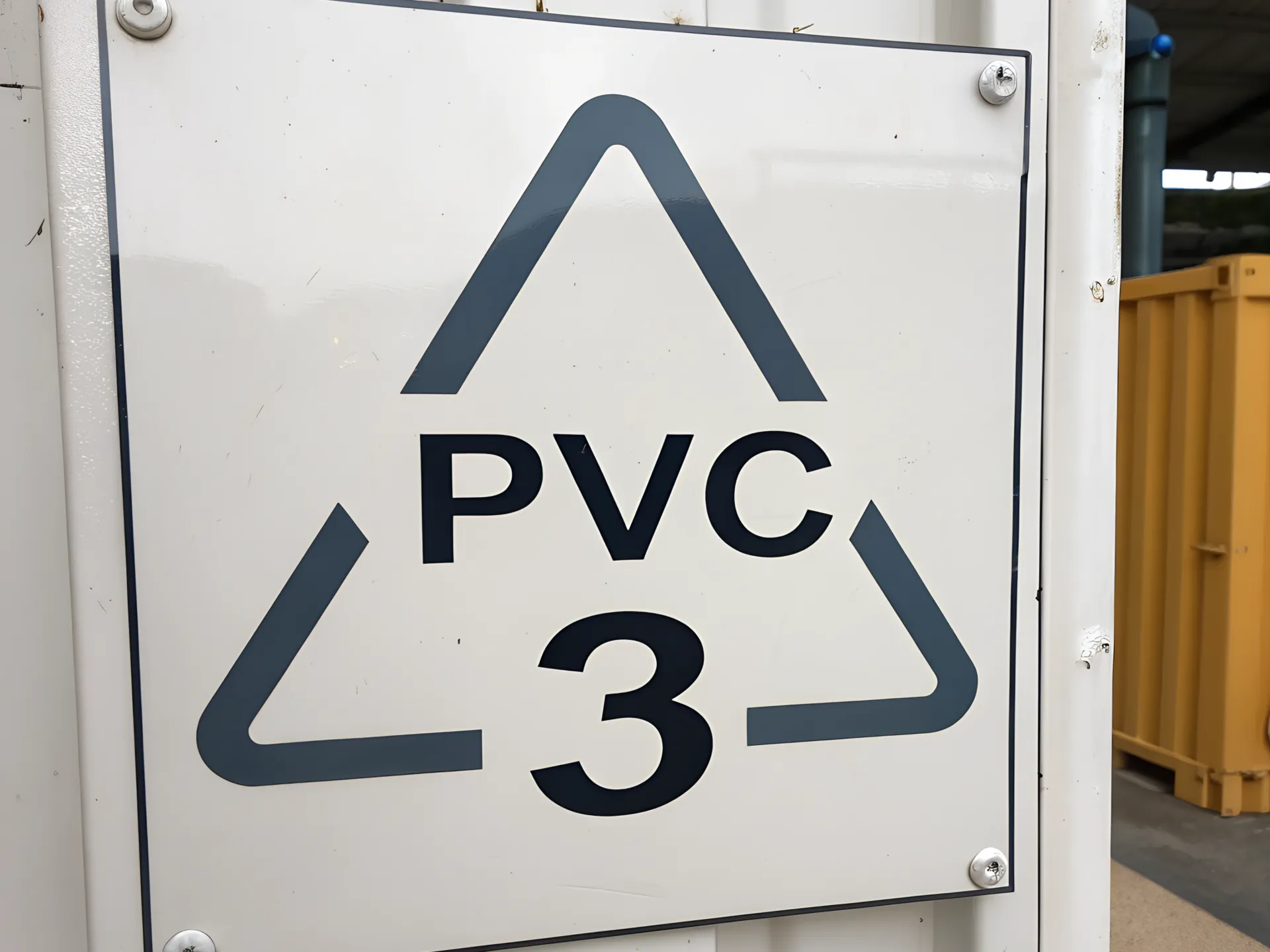
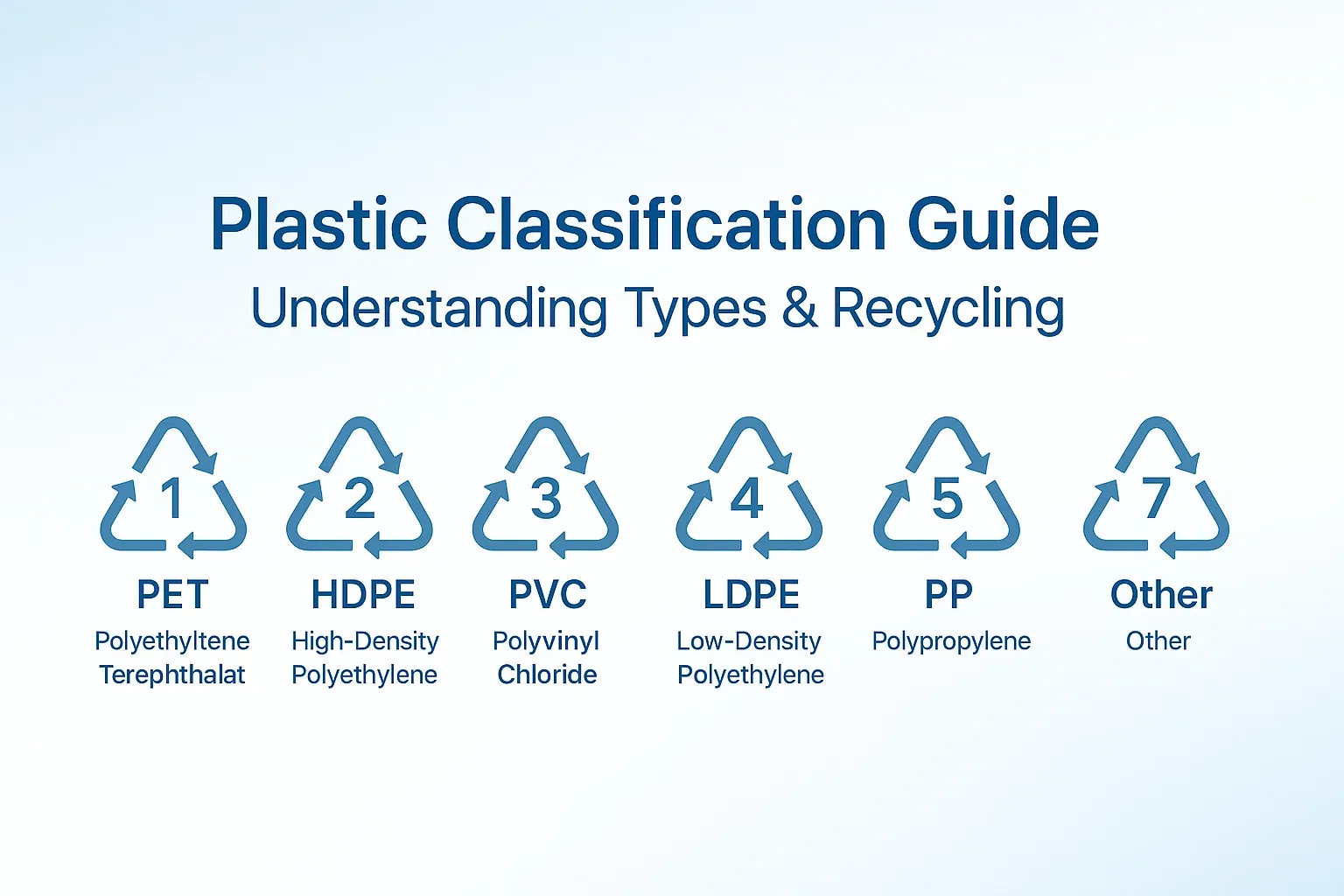
PVC is identified by resin identification code 3, usually accompanied by the abbreviation PVC or V. The code identifies the plastic resin family; it does not me...
Plastic. It’s a material that has truly shaped our modern world. From the packaging that keeps our food fresh and safe to the intricate components powerin...
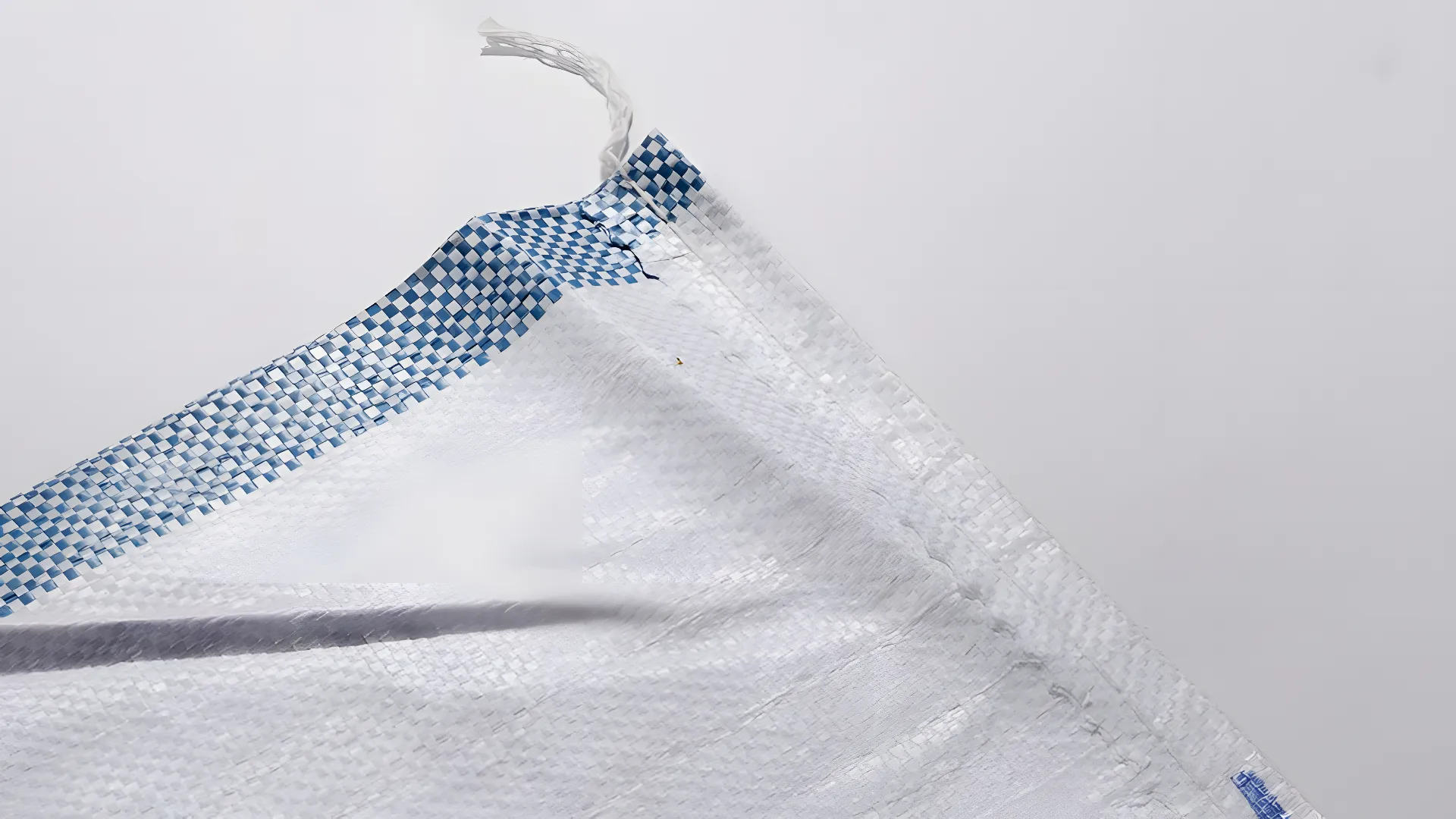
PP woven sacks and flexible intermediate bulk containers (FIBCs) can be mechanically recycled when their construction, previous contents and contamination are u...
Rigid plastics are foundational materials across a multitude of industries, prized for their exceptional durability, versatility, and manufacturing efficiency....
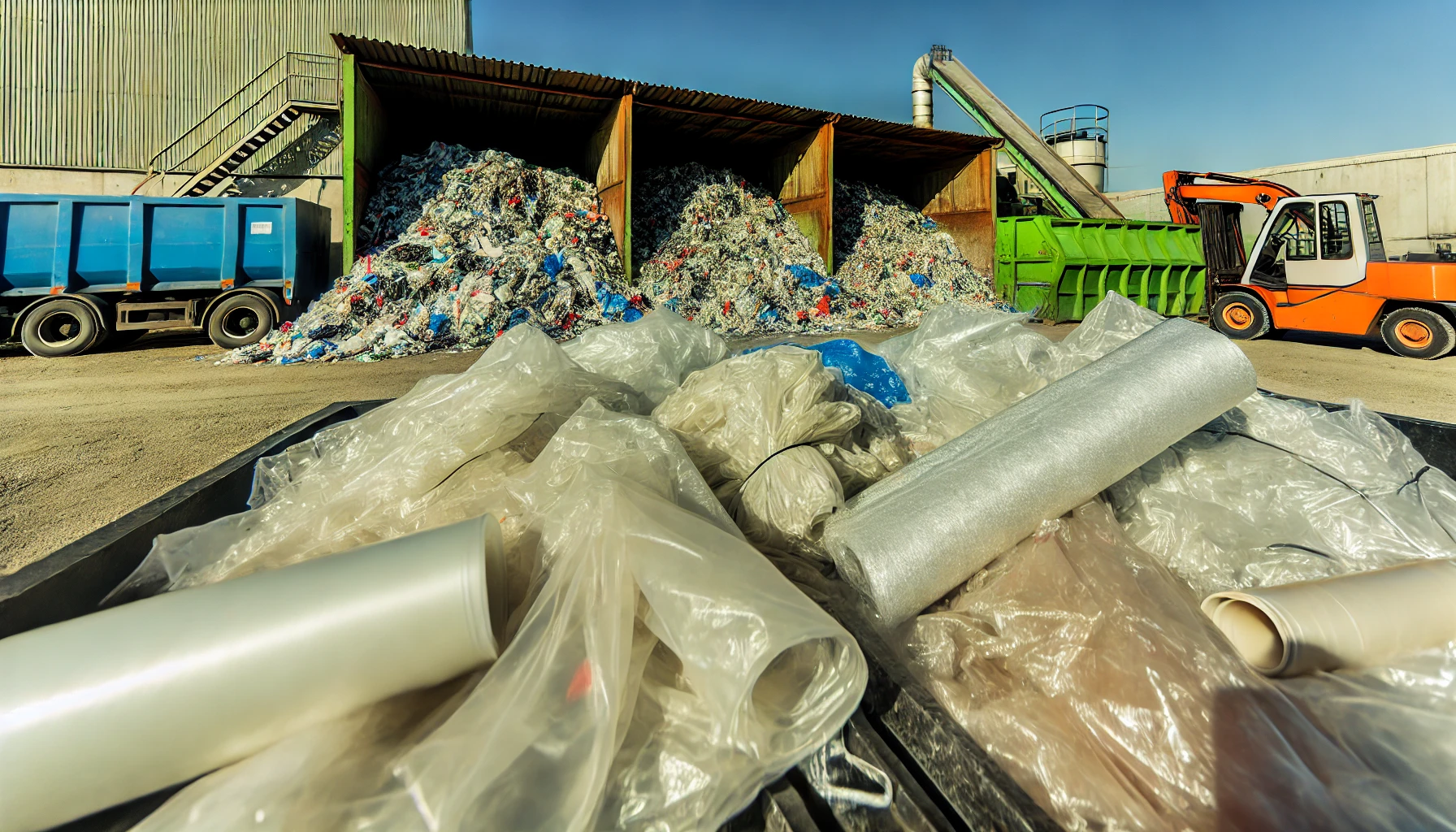
PE and PP film recycling is not one fixed sequence. Clean factory edge trim may go directly to size reduction and pelletizing, while post-consumer packaging or...
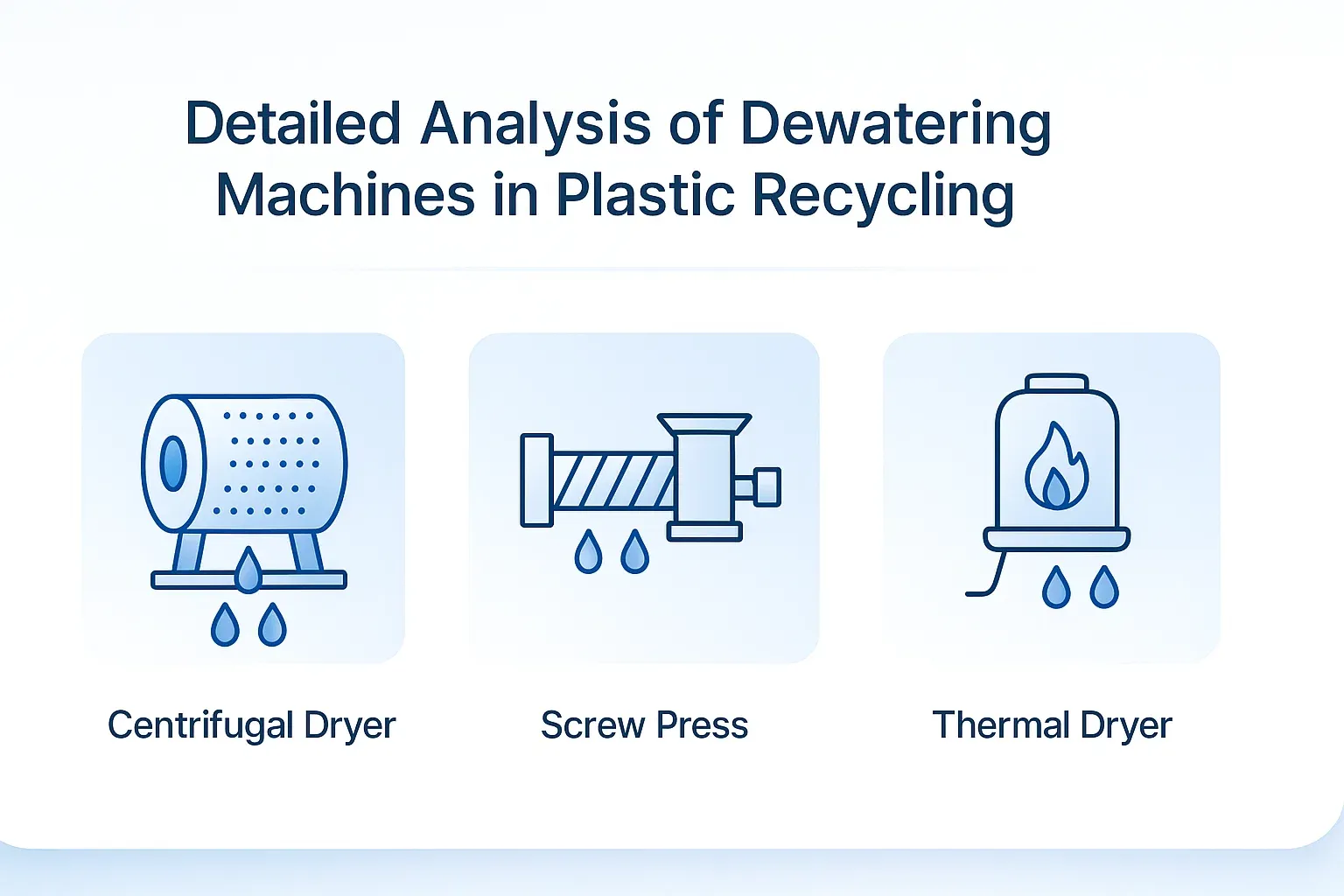
A plastic dewatering machine removes free water from washed flakes or flexible plastics before thermal drying, extrusion or storage. Mechanical water removal is...
When investing in an industrial granulator, numerous factors influence the overall cost. From motor size to chamber design, every component plays a role. Howeve...
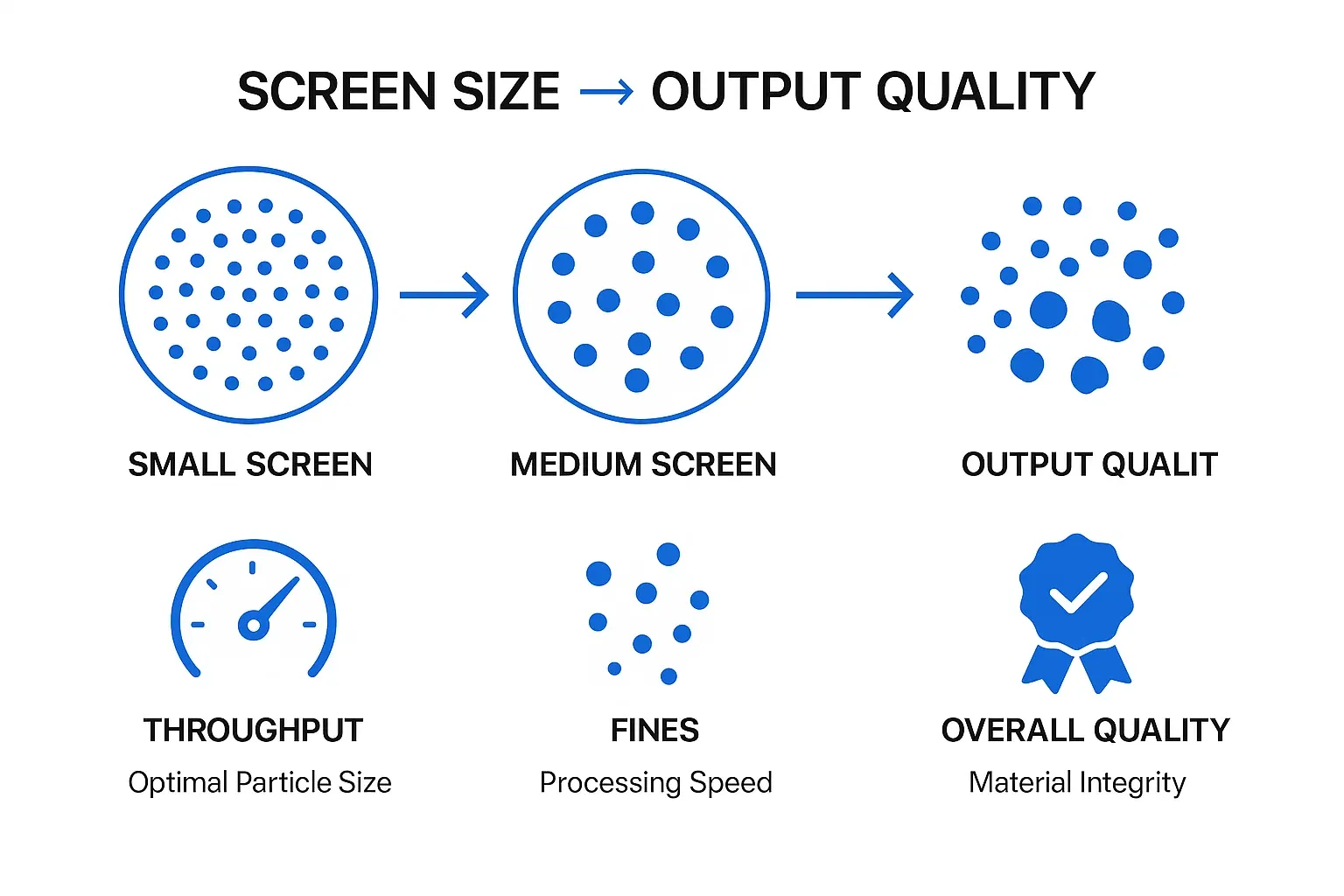
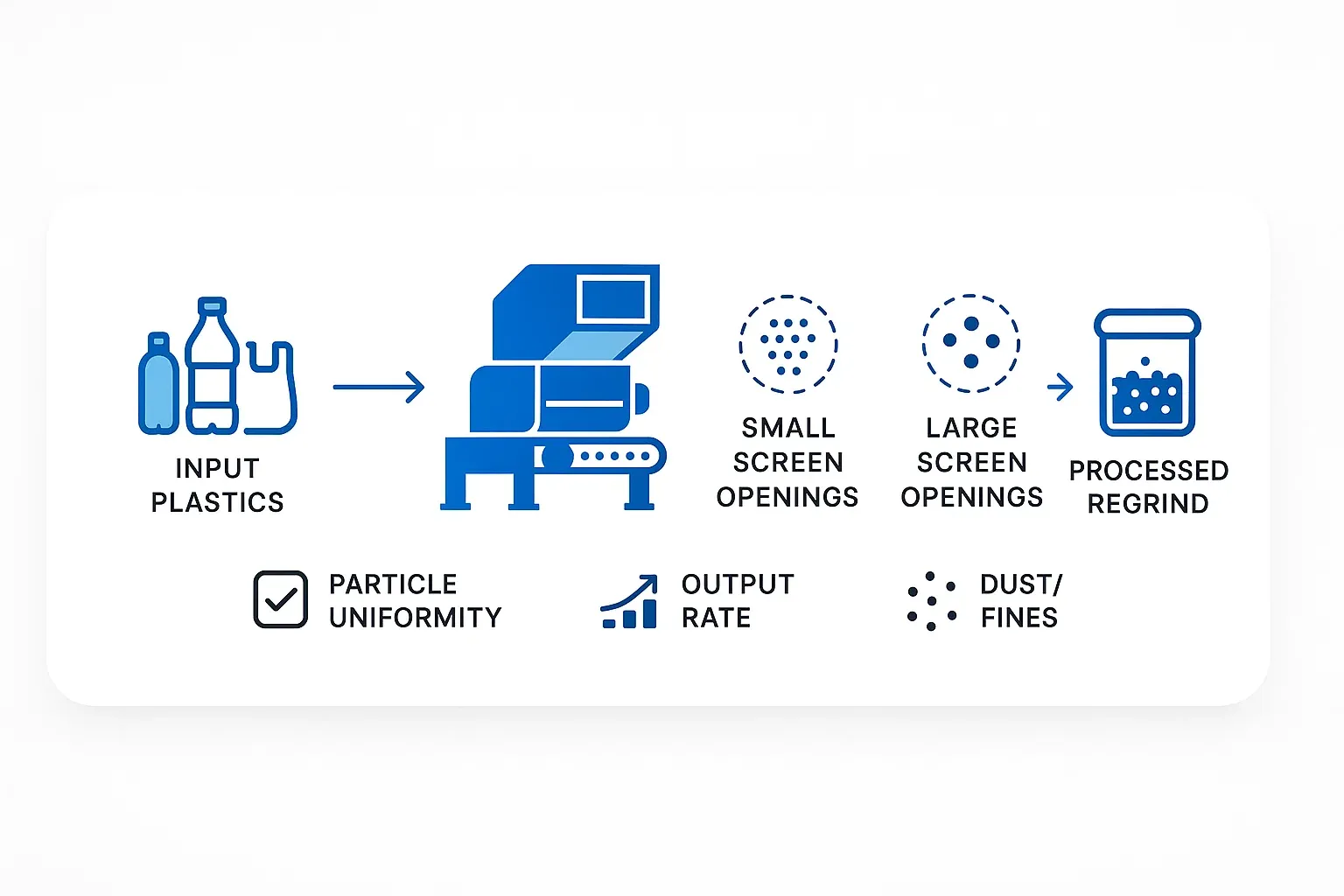
Changing a plastic granulator screen alters more than nominal particle size. It changes how long material remains in the cutting chamber, how often it is recut,...
The correct plastic granulator screen is the one that produces an acceptable particle-size distribution for the next process at a stable operating load. Hole di...
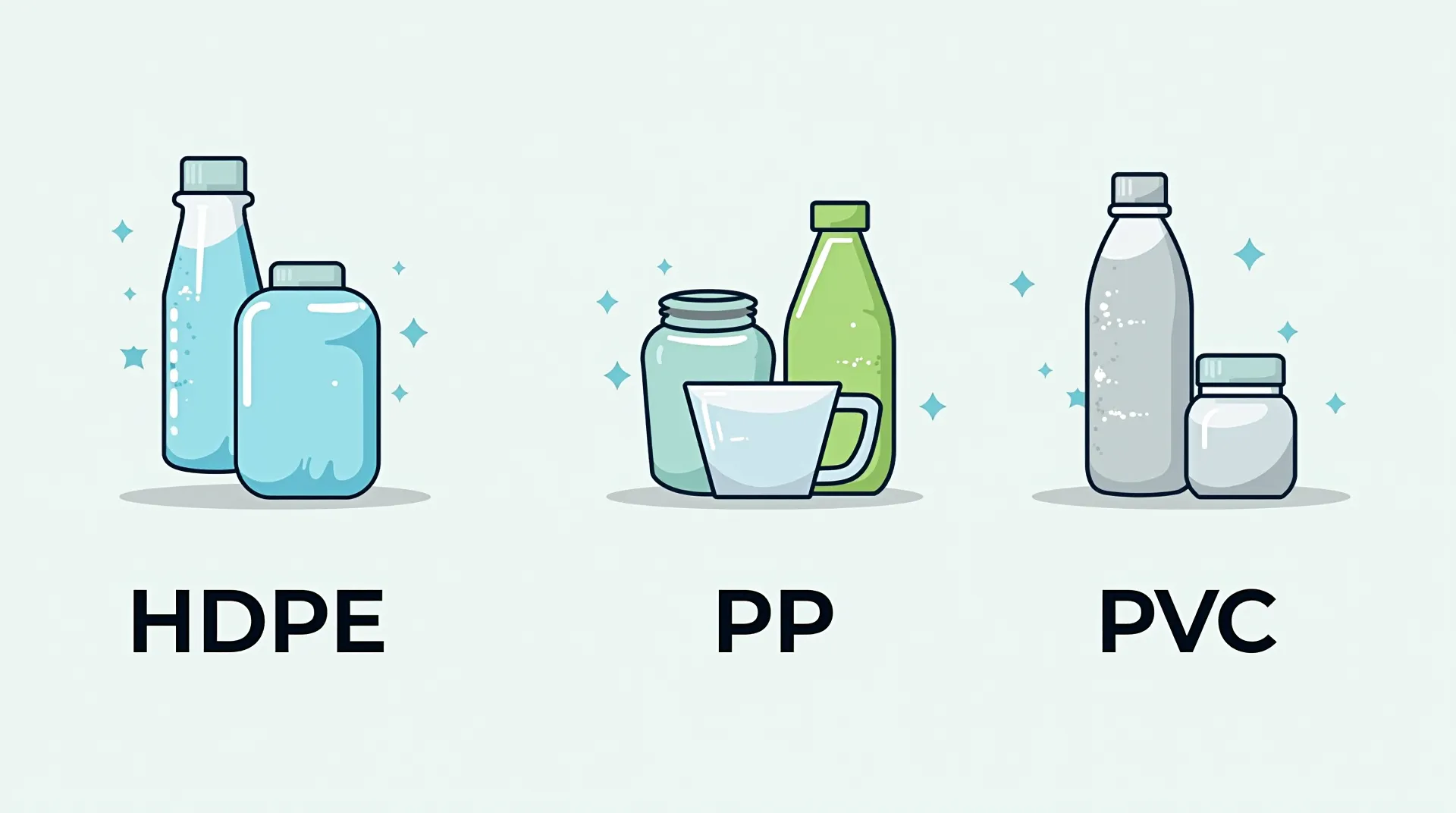
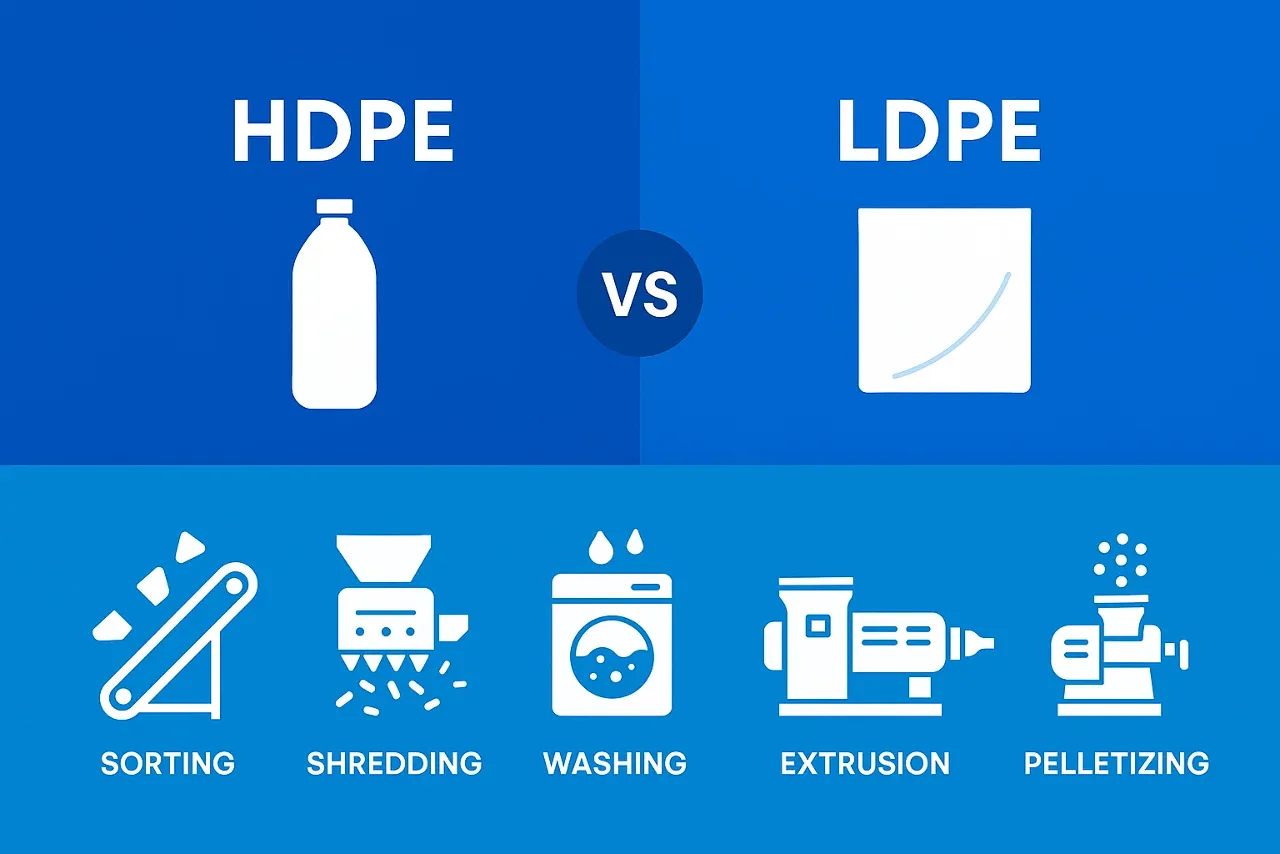
HDPE and LDPE belong to the polyethylene family, but they usually reach recycling plants in very different forms. HDPE is commonly found as bottles, crates, dru...