

Integrated Rubber Recovery Systems
Tire Recycling Machine & Line
Turn end-of-life tires into high-purity crumb rubber with automated steel and fiber separation for stable output, safer operation, and lower energy per ton. Built for recycling operators, MRFs, and rubber processors who need consistent results.
How the Tire Recycling Line Works
Advanced multi-stage processing for stable recovery, high purity, and controlled particle size. Each step is synchronized through a central control system.
Primary Shredding
Twin-shaft, high-torque shredding reduces tires to 50-150 mm strips.
Steel Removal
Overband magnetic separation removes liberated steel automatically.
Granulation
Rasper and granulator reduce shreds to chips and granules.
Fiber Separation
Air classification removes textile fiber from the rubber stream.
Precision Grading
Classifier and screening maintain consistent 30-120 mesh powder.
Packaging
PLC-controlled packaging measures and bags final product.
Primary Shredding
Twin-shaft, low-speed, high-torque shredding reduces whole or debeaded tires to 50-150 mm strips.
Magnetic Separation
Overband magnetic separation removes liberated steel automatically, protecting downstream machinery.
Granulation
Rasper and granulator reduce shreds to 10-20 mm chips and 1-5 mm granules with controlled heat.
Fiber Separation
Air classification removes textile fiber from the rubber stream and pushes product purity above 95%.
Precision Grading
Classifier and screening stages maintain consistent 30-120 mesh powder according to specification.
Automated Packaging
PLC-controlled packaging measures and bags final product for stable quality control and dispatch.
Key Benefits for Operators
Why industry leaders choose this integrated tire recycling line for stable, high-value output.
High-Purity Output
Magnetic and air classification systems reduce steel and textile contamination for clean, market-ready crumb rubber that commands higher prices.
Smart Automation
Line-level control stabilizes throughput, simplifies operation, and significantly reduces the need for manual intervention.
Energy Efficient
Optimized drives and tuned process flow reduce specific energy consumption per ton without sacrificing output capacity.
Modular and Scalable
The design allows you to add capacity and optional modules as your business grows without rebuilding the entire line architecture.
Safe and Compliant
Built around operator safety, integrated dust control, and strict environmental compliance requirements for modern industrial sites.
Lower OPEX
Wear-optimized components and a service-friendly design reduce unplanned downtime and long-term maintenance costs.
From Pain Points to Performance
Address the most common challenges in tire recycling with one integrated, proven solution.
Legacy Limitations
- Inconsistent quality and contamination
- High energy consumption per ton
- Frequent unplanned downtime due to jams
Energycle Advantage
- Closed-loop classification for high purity
- Tuned Material flow for power optimization
- Load-aware control prevents jamming
Line Showcase Video
See the full recycling line in action through shredding, separation, and fine milling stages.
Applications & Market Value
High-value commercial uses for your recycled rubber granules and powder.
Modified Asphalt
Improve elasticity, durability, and rutting resistance in asphalt rubber paving systems.
InfrastructureSports Surfaces
Consistent granules for track surfacing and artificial turf infill.
LeisureIndustrial Goods
Supply mats, anti-vibration pads, gaskets, and molded goods.
Tire Manufacturing
Use reclaimed rubber in new tire compounds and specialty mixes.
Construction
Support membranes, acoustic panels, and architectural products.
Energy Recovery
Prepare feedstock for pyrolysis, carbon black, and TDF apps.
Decision Framework: How to Choose a Tire Recycling Machine
A three-axis decision: throughput capacity, tire-type mix, and output target. Lock these three in writing before requesting equipment quotes.
Step 1: Match Capacity to Daily Throughput
Capacity is rated in tons per hour. Convert annual feedstock tonnage to a capacity tier by dividing by 250 working days × 16 production hours (two-shift operation), plus 20% headroom for downtime and feedstock surge. A plant processing 12,000 t/year of waste tires needs 12,000,000 ÷ (250 × 16) × 1.2 = 3,600 kg/h, rounded up to a 4 t/h tier.
Step 2: Match Configuration to Tire-Type Mix
Tire mix dictates equipment specification. Passenger car tires only (PCR) need a single-shaft shredder with 100–150 mm chips and standard granulator. Mixed PCR + truck tires need a dual-shaft shredder upstream and reinforced blades. OTR / mining / agricultural tires need a debeading machine, a heavy-duty cutting station, then primary shredding — OTR rubber is 30–45% harder than PCR rubber and chews through standard blades in 200–400 hours.
Step 3: Match Output to End-Market
The end-buyer specification determines how fine the line must grind. Tire-derived fuel (TDF) stops at 50–75 mm chips with steel still attached — sells to cement kilns at USD 35–65/t. Tire-derived aggregate (TDA) stops at 25–75 mm chips with steel removed — sells for civil engineering at USD 70–120/t. Crumb rubber 10–30 mesh needs full granulation plus fiber separation — sells at USD 320–480/t to molded-goods makers. Fine rubber powder 40–200 mesh needs an additional pulverizer or refiner mill — sells at USD 750–1,400/t to modified asphalt and sports surface manufacturers. Confirm the buyer specification in writing before sizing the line.
Decision Matrix
| Capacity | PCR → TDF | PCR + Truck → Crumb 10-30 mesh | Mixed → Fine Powder 40-80 mesh |
|---|---|---|---|
| 1 t/h | Compact shredder + chipper | Shredder + granulator + magnetic sep | Add pulverizer (slow ROI at this scale) |
| 3 t/h | Shredder + chipper + magnetic | Shredder + granulator + fiber sep | Full granulation + pulverizer |
| 5 t/h | Twin shredder + chipper line | Shredder + 2-stage granulator + fiber sep | Full line + pulverizer + grader |
| 10 t/h | Heavy-duty shredder + screening | Heavy-duty shredder + 3-stage granulator | Full line + multi-stage milling + classifier |
Capacity Configurations: 1, 3, 5, and 10 t/h Tire Lines
Specifications and CapEx ranges for the four most common capacity tiers in 2026 emerging-market tire recycling.
Tire recycling lines scale across four standard capacity tiers. Per-ton processing cost drops 38% from 1 t/h to 10 t/h, which is why operators with confirmed 25,000+ t/year feedstock supply almost always specify above 5 t/h.
| Specification | 1 t/h entry | 3 t/h mid-volume | 5 t/h commercial | 10 t/h industrial |
|---|---|---|---|---|
| Total power (kW) | 180 | 420 | 680 | 1,250 |
| Operators per shift | 3 | 4 | 5 | 7 |
| Footprint (m²) | 320 | 620 | 950 | 1,600 |
| Annual capacity (t) | 4,000 | 12,000 | 20,000 | 40,000 |
| Output range | TDF or 10-30 mesh crumb | 10-30 mesh crumb | 10-80 mesh crumb & powder | Full crumb + powder + classification |
| Typical CapEx (USD) | 140k-220k | 360k-520k | 620k-880k | 1.2M-1.8M |
1 t/h: Entry-Level Commercial
The 1 t/h tier is the smallest commercially efficient line for crumb rubber output. Plants at this tier serve a single province or city’s collected tire stream and rarely export. Per-ton processing cost runs USD 95–130/t, which works only when feedstock cost stays under USD 20/t.
3 t/h: Mid-Volume Standard
The 3 t/h tier is the most common configuration sold globally. Per-ton processing cost approaches USD 65–85/t, payback periods compress to 28–38 months on standard crumb output, and the equipment fits in a standard 25 m × 28 m hall plus outdoor feedstock storage. This tier is the default starting point for any new tire recycler with confirmed 8,000+ t/year supply.
5 t/h: Commercial Scale
The 5 t/h tier serves regional consolidator operators — collecting tires from multiple cities or states. Two-shift operation processes 20,000 t/year, enough to supply a regional cement kiln (TDF route) or two molded-goods factories (crumb route). CapEx exceeds USD 600k, civil works adds another 25–30%, and operators typically run a magnetic separator plus a fiber separation cyclone to clean output.
10 t/h: Industrial Scale
The 10 t/h tier serves national operators or vertically integrated producers who turn rubber powder into modified asphalt or sports surfaces in-house. CapEx exceeds USD 1.2M, civil works (concrete pad with pit-mounted shredder, mezzanine, dust extraction system, water treatment) adds 30–40%, and total installed cost reaches USD 1.8–2.5M before working capital. Annual feedstock requirement: 35,000+ tons confirmed under contract.
Tire Recycling Machine Cost: 3-Year Total Cost of Ownership
CapEx is only the first 30-40% of three-year ownership cost. Power, labor, blade replacement, and consumables together exceed initial equipment cost by year three.
Buyers comparing two tire recycling line quotes that look 15–20% apart often discover the cheaper line costs more across three years once consumables and downtime get factored in. Blade life and operator headcount are the two costs that swing the most.
| Cost component | 3 t/h | 5 t/h | 10 t/h |
|---|---|---|---|
| CapEx (mid-range) | 440,000 | 750,000 | 1,500,000 |
| Power (3 yr @ USD 0.10/kWh) | 121,000 | 196,000 | 360,000 |
| Labor (3 yr @ USD 600/op·month) | 259,000 | 324,000 | 454,000 |
| Blade & cutter replacement | 72,000 | 118,000 | 235,000 |
| Maintenance (5% CapEx/yr) | 66,000 | 113,000 | 225,000 |
| Screen, mesh, magnetic strip | 18,000 | 32,000 | 62,000 |
| Dust extraction filters | 9,000 | 15,000 | 34,000 |
| 3-year total (USD) | 985,000 | 1,548,000 | 2,870,000 |
| Per-ton processing cost (USD) | 82 | 77 | 72 |
Per-ton processing cost drops 12% from 3 t/h to 10 t/h. The CapEx-per-ton benefit is larger but partially offset by the higher fixed maintenance cost on bigger machines. Plants with confirmed feedstock above 25,000 t/year almost always specify above 5 t/h because the labor amortization advantage compounds across operating years.
Hidden Costs Most Quotes Skip
- Civil works: 10–15% of equipment CapEx for foundation, pit-mounted shredder, mezzanine, drainage
- Dust extraction system: USD 25,000–120,000 for fabric-filter baghouse plus ducting
- Fire suppression: USD 15,000–40,000 (rubber dust is combustible; insurance often mandates this)
- Customs and import duty: 5–18% CIF in most emerging markets
- First-year spare parts kit: 4–6% CapEx for blades, screens, fiber separator media
- Operator training: Two engineers on-site for two weeks, USD 8,000–15,000 per visit
Key Core Components
Heavy-duty machinery designed to work as a single, coordinated unit.
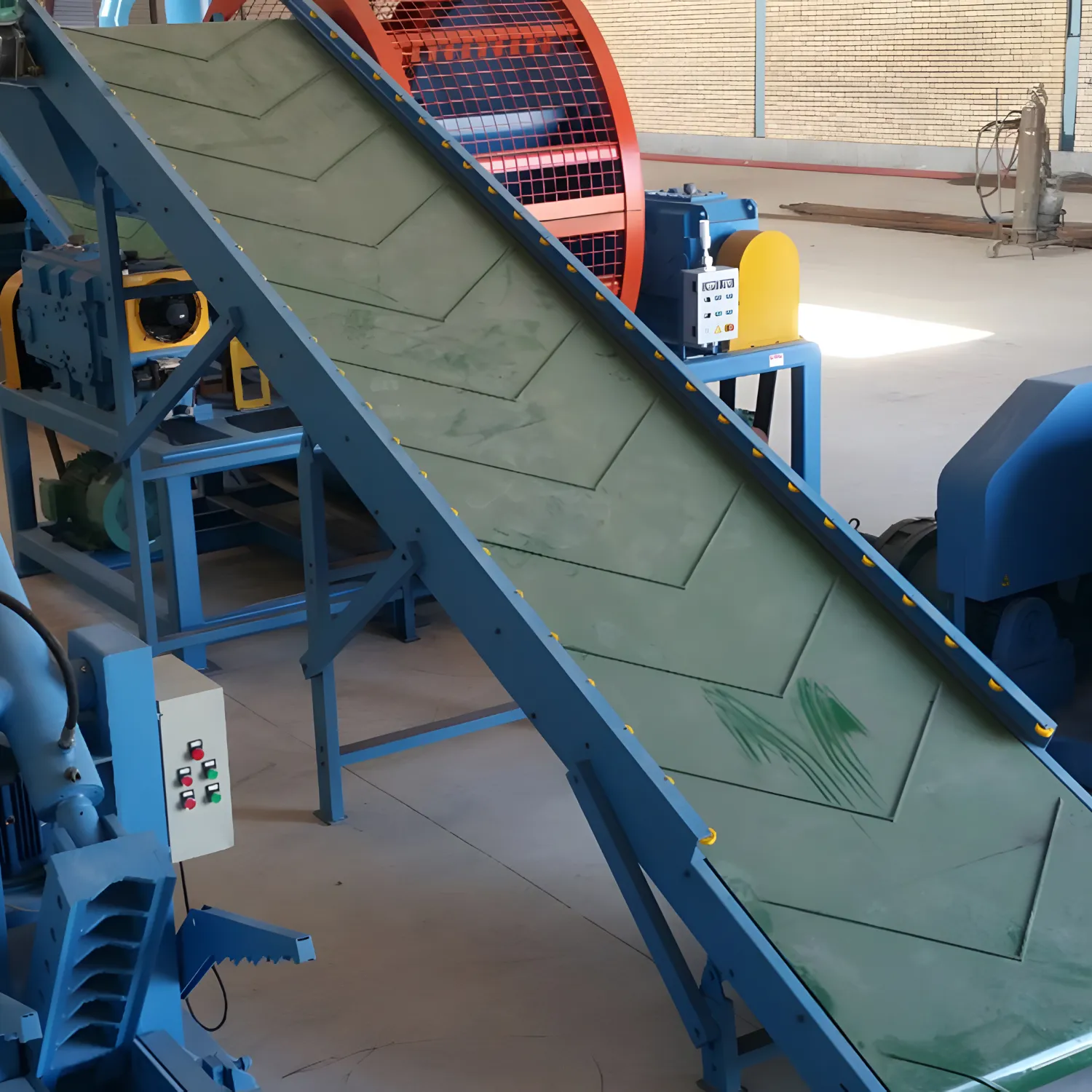
Belt Conveyor
Transfers tires and granules between stages with stable, continuous feed.
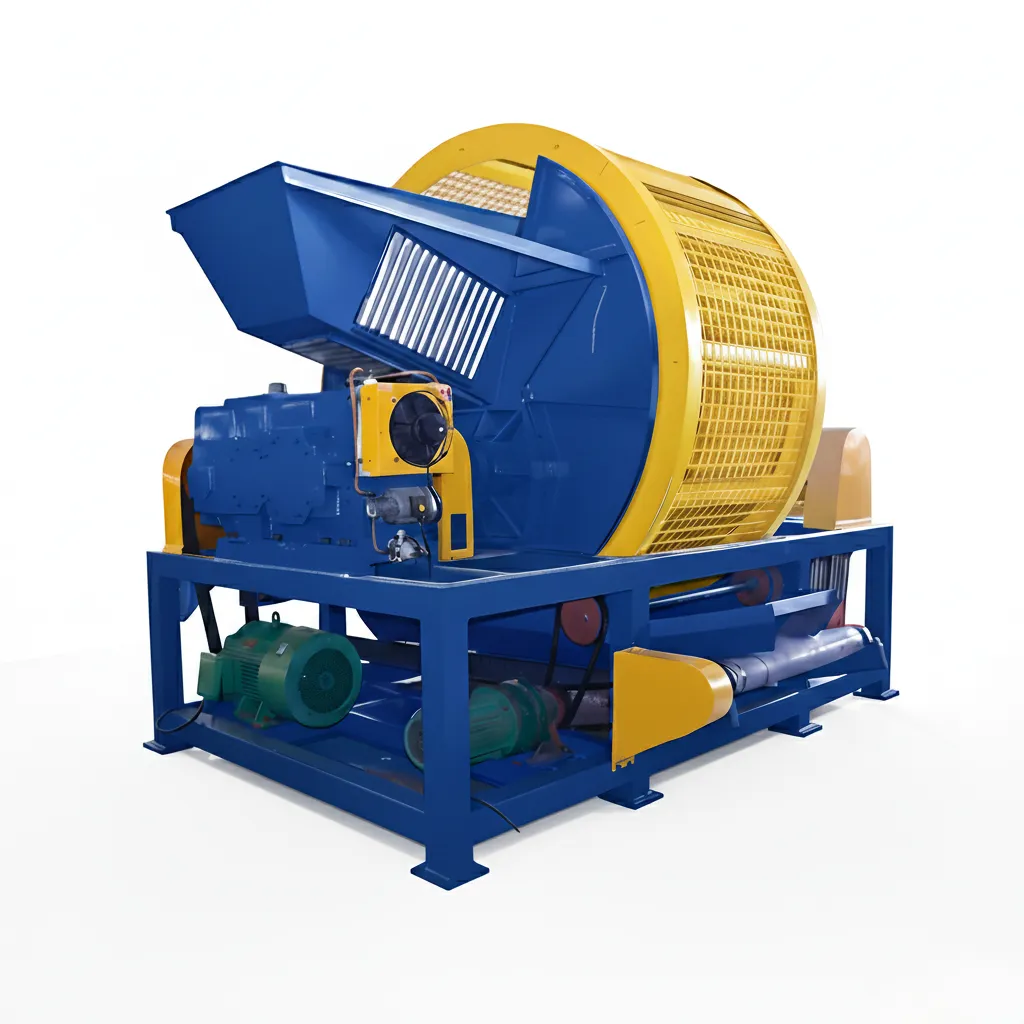
Tire Shredder
Twin-shaft, high-torque primary reduction for whole or debeaded tires.
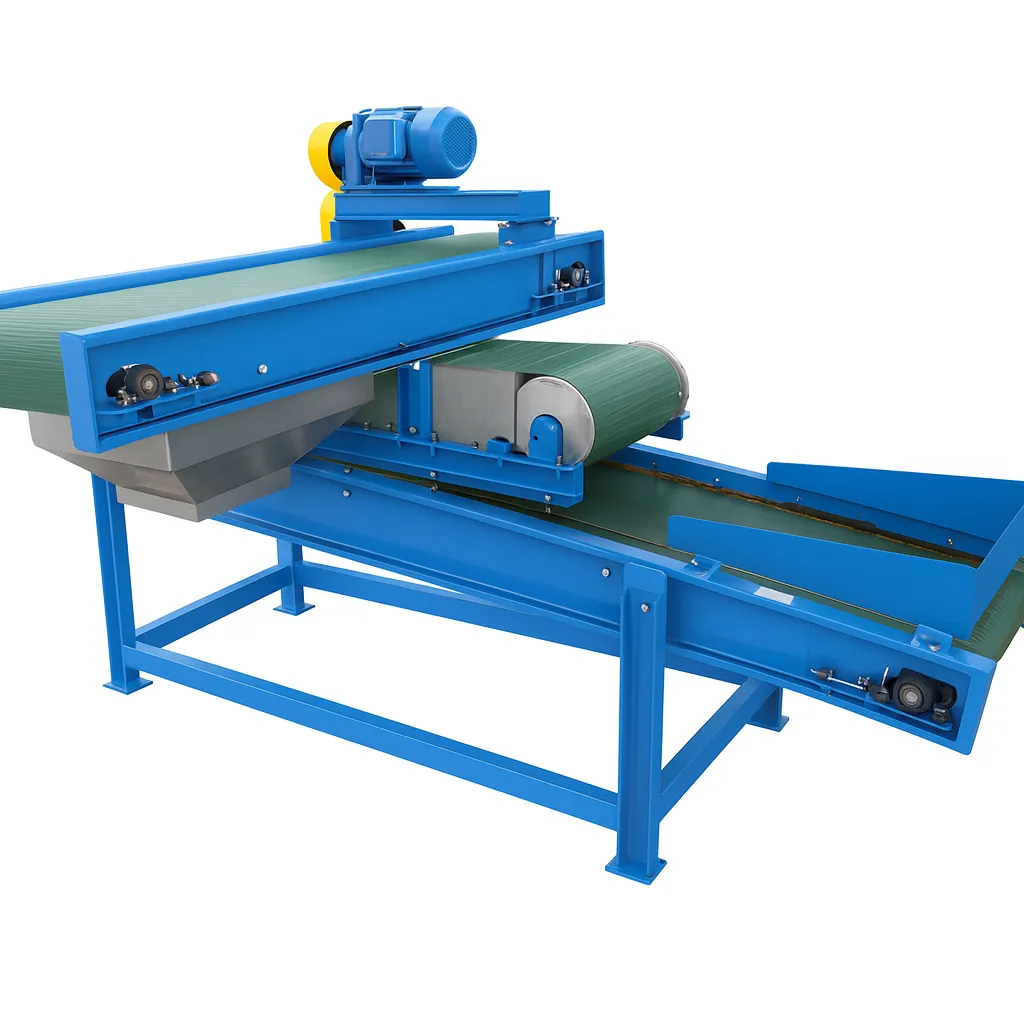
Magnetic Separator
Lifts and removes ferrous wire automatically to protect downstream mills.
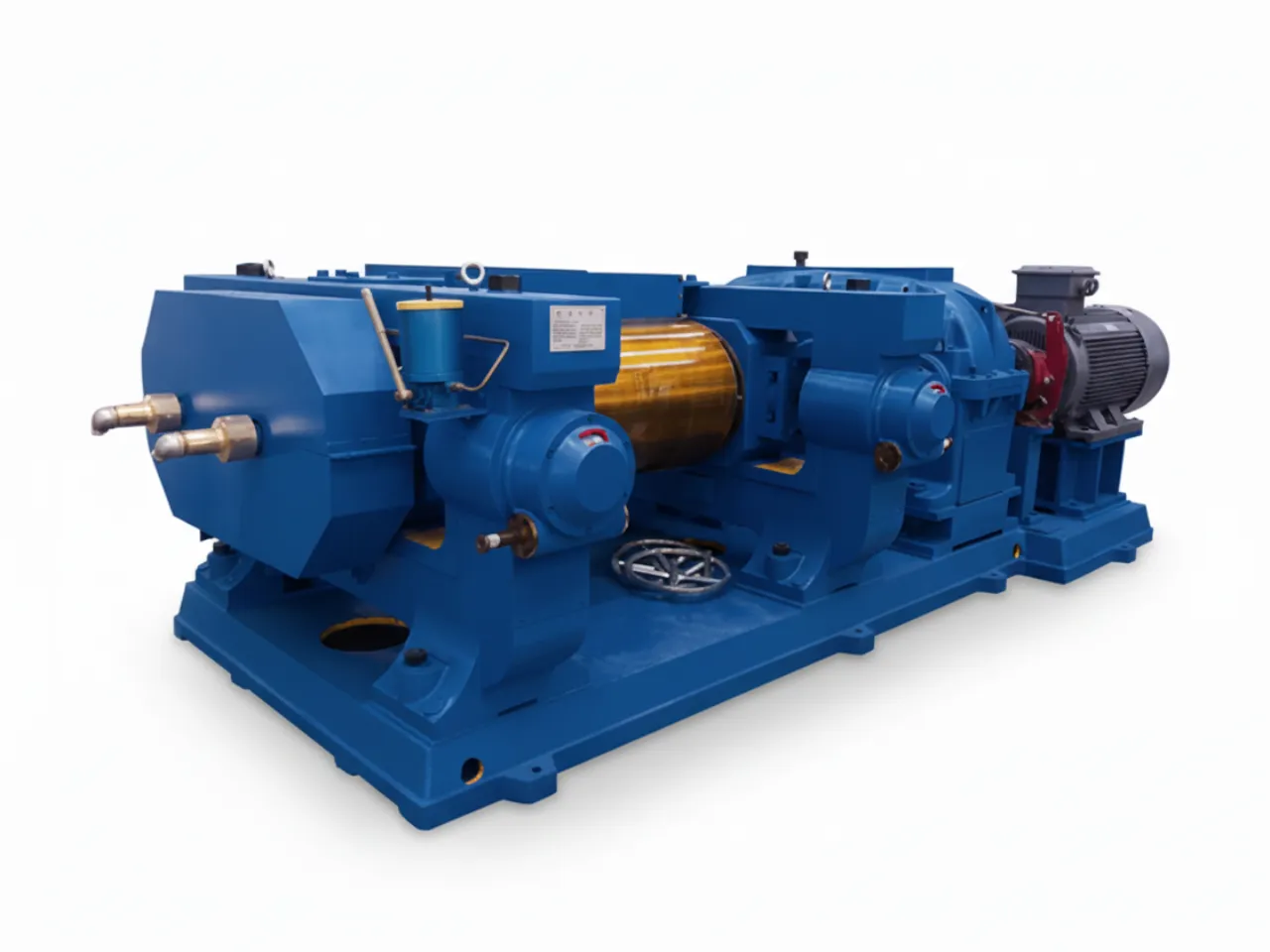
Rubber Grinder
Applies heavy shearing to break shreds into stable granule sizes.
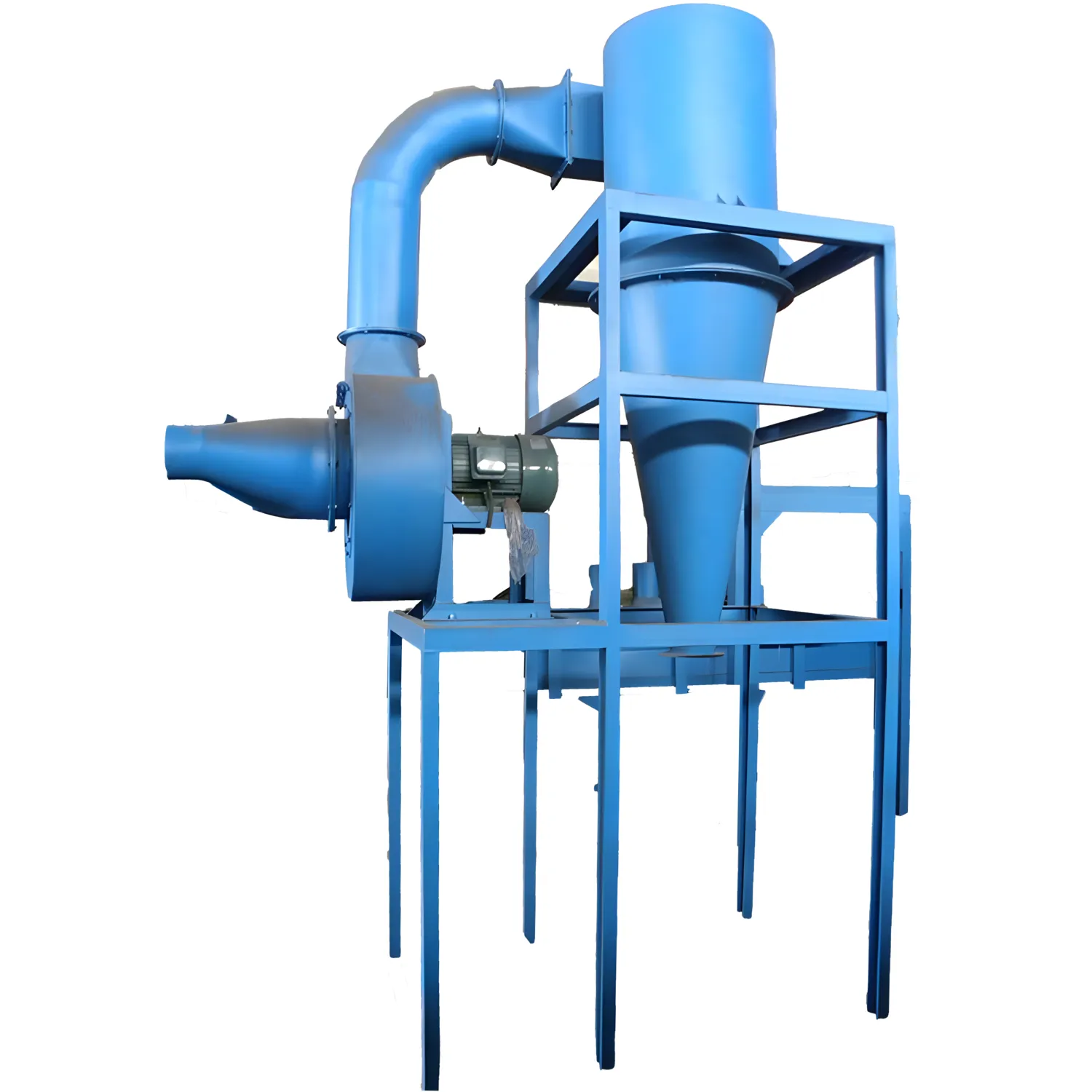
Fiber Separator
Removes textile and nylon fiber from rubber granules via controlled airflow.
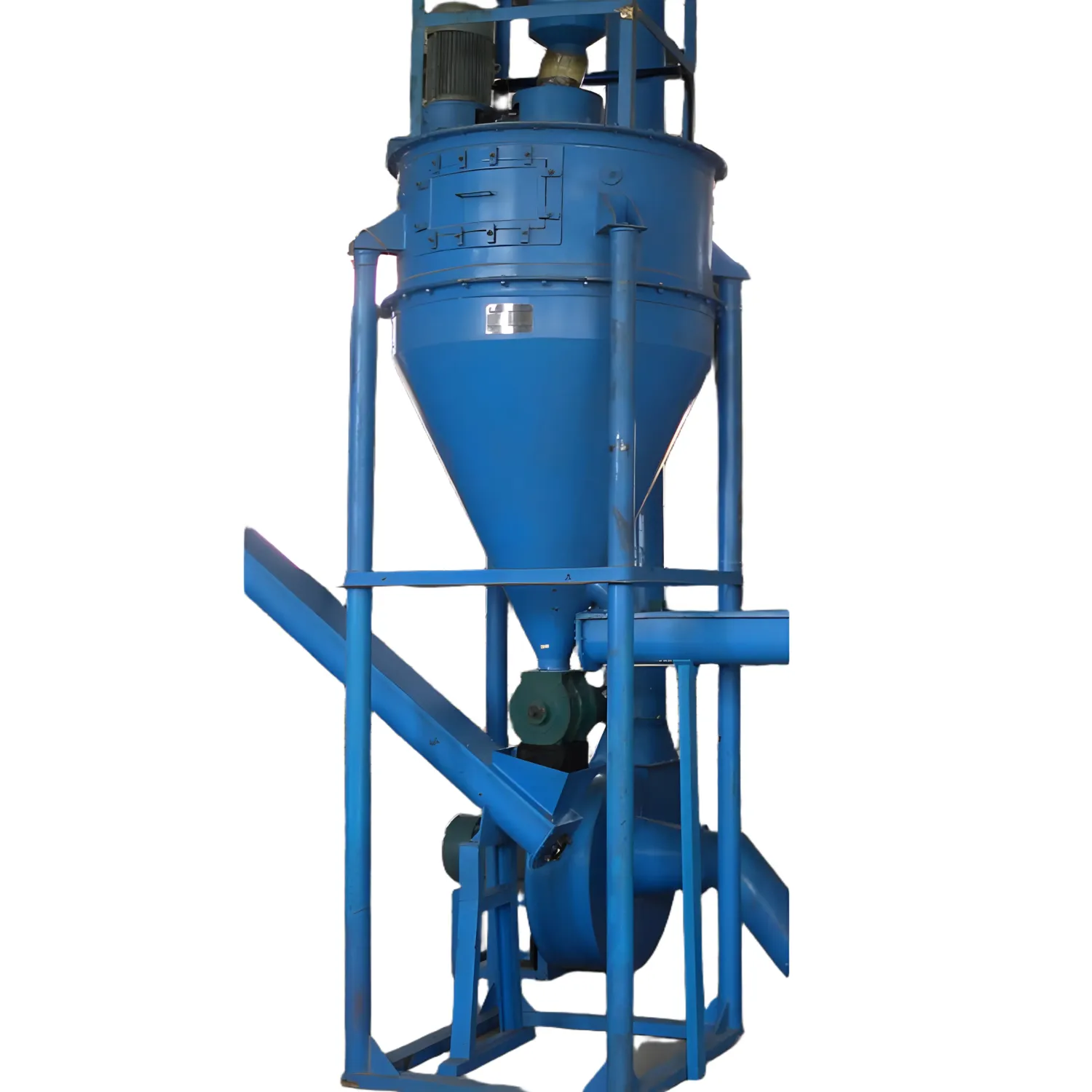
Rubber Powder Grader
Sorts powder by size through airflow and a high-speed classifier wheel.
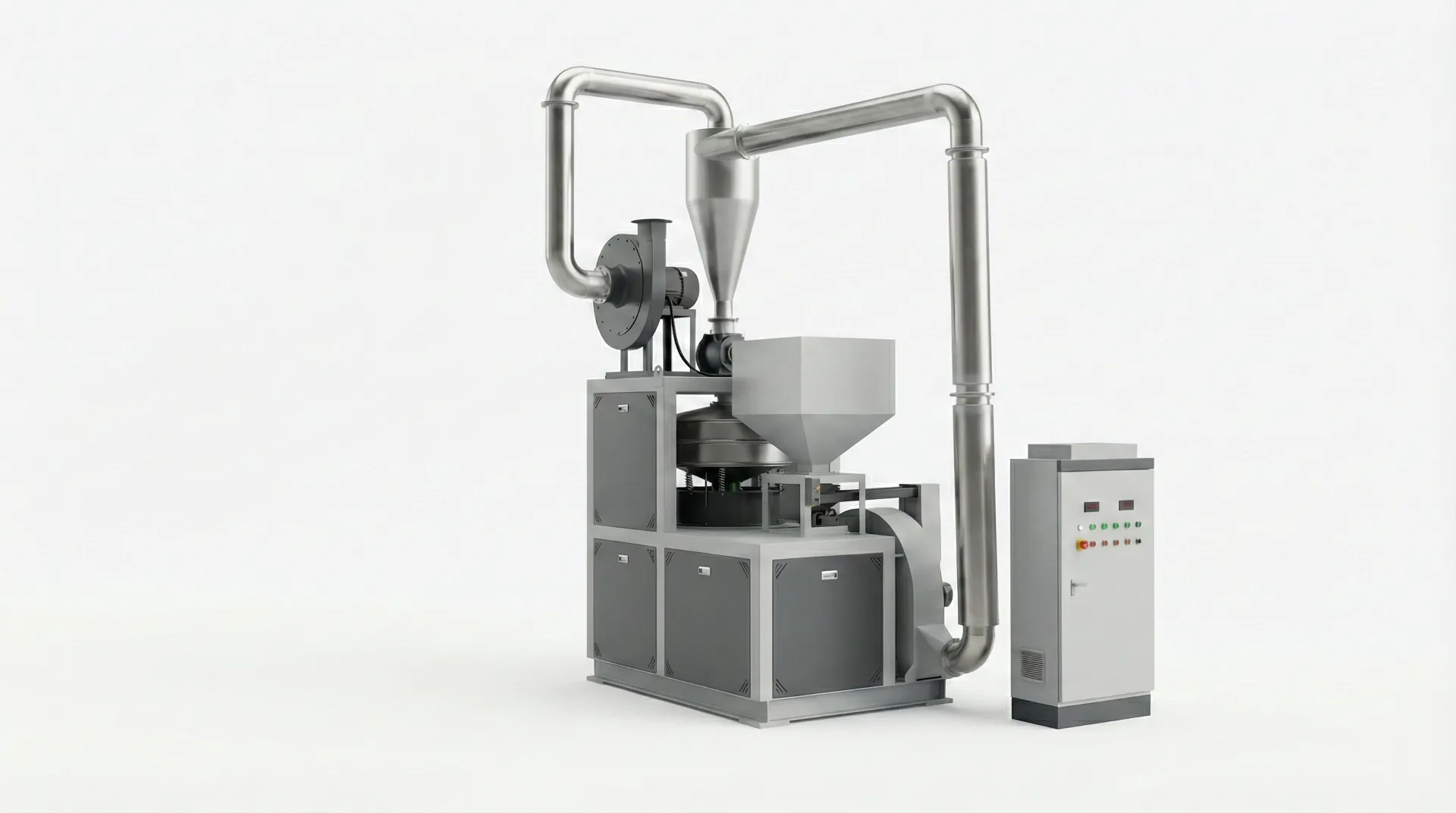
Superfine Miller
Produces 80-200 mesh powder from clean, pre-sized rubber feed.
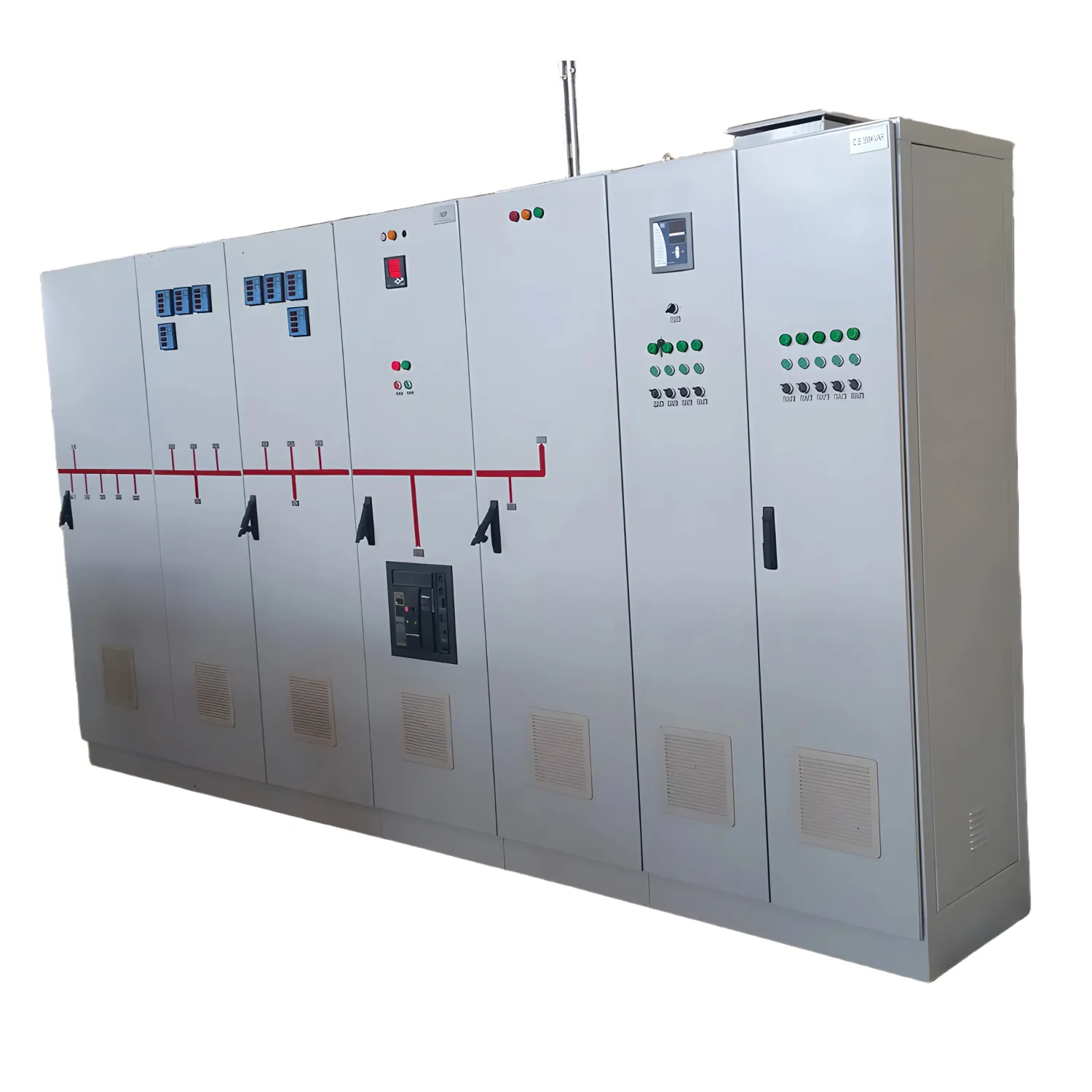
PLC Control System
Centralized monitoring for the full line with safety interlocks.
Why Our Integrated Line Stands Out
Compare the Energycle approach with traditional machine-by-machine setups.
| Capability | Integrated Line | Traditional Setup |
|---|---|---|
| Product Purity | High (steel/textile minimized) | Variable |
| Automation | Line-level control and monitoring | Machine-by-machine |
| Uptime | Anti-jam and predictive monitoring | Higher jam risk |
| Efficiency | Optimized drives and process tuning | Lower energy efficiency |
| Scalability | Modular upgrades ready | Limited |
Output Quality: Defects to Expect From Each Tire Type
Output purity is a direct function of feedstock mix. Knowing which defects appear with which tire type prevents finger-pointing between equipment supplier and operator after commissioning.
Crumb rubber buyers reject batches for steel content, fiber content, and visible contamination. Each tire type generates a distinctive defect signature that the line configuration can mitigate — but only if specified upfront.
| Tire type / source | Most common defect | Root cause | Mitigation |
|---|---|---|---|
| Passenger car (PCR) | Polyester fiber dust in crumb | Single-pass fiber separator under-sized | Add zigzag classifier or aspirator |
| Truck / bus radial (TBR) | Steel wire shards in 10-30 mesh | Magnetic separator gap too wide | Reduce gap, add second magnetic stage |
| Mixed PCR + truck | Inconsistent particle size distribution | Granulator screen size mismatch | Pre-sort by tire type before shredding |
| OTR / mining tires | Excessive blade wear, low throughput | OTR rubber harder than rated blade spec | Switch to D2 or HVOF-coated blades |
| Agricultural tires | Clay, sand contamination | Field-stored tires accumulate soil | Add water-spray pre-wash before shredding |
| Tires stored over 18 months | Brittle rubber, fines excess | UV and ozone degradation of polymer | Cannot recover crumb-grade — route to TDF |
The most consequential defect is steel wire residual in fine crumb rubber. Crumb buyers reject any batch with detectable ferrous content, and a single missed steel fragment can damage downstream injection-molding equipment. Plants targeting 10-30 mesh or finer output need a two-stage magnetic separator (overband plus drum), with a third static magnet on the conveyor before bagging.
Regional Adaptations for Emerging Markets
Western tire-recycling specifications fail predictably in emerging-market sites. Five engineering choices matter most across SE Asia, MENA, Africa, and LATAM.
Voltage and Frequency
Standard configurations ship at 380V/50Hz (China, Vietnam, Indonesia), 415V/50Hz (UK, Pakistan, India, much of Africa), or 440V/60Hz (Saudi Arabia, parts of LATAM). Specifying the wrong voltage means the entire motor and switchgear set arrives unusable — a 6-8 week rework with double shipping. Always confirm voltage in writing on the proforma invoice.
Climate and Dust Ingress
Tire shredding generates fine carbon-black dust that settles inside electrical cabinets. Specify IP55 enclosure rating for control cabinets in arid regions (MENA, Northern Africa, parts of LATAM) and add positive-pressure ventilation. Tropical regions (Indonesia, Philippines, parts of Brazil) need dehumidification on PLC enclosures to prevent condensation-induced contactor failure.
Spare Part Logistics
Lead time on a replacement shredder blade from China to East Africa runs 28-42 days by sea, plus 7-14 days customs clearance. Plants 8,000+ km from the supplier need a first-year spare-parts kit covering 18 months of consumables on-site. Plants closer to the supplier (Vietnam, Indonesia, Philippines) can run lighter inventory with 14-21 day re-order cycles.
Fire and Combustible-Dust Compliance
Rubber dust is combustible and many regional fire codes mandate specific suppression systems. Indonesia, Philippines, India, and most GCC countries require fixed sprinkler or CO2 systems on baghouses. Operators in regions without explicit codes still need fire suppression for insurance acceptance — an uninsured rubber-dust fire is a project-ending event.
Operator Language and Training
The PLC HMI ships in English by default. For plants where shift operators do not read English, request Spanish, Arabic, Bahasa, French, or Vietnamese localization at the order stage — adding it post-installation typically requires a controls engineer site visit at USD 4,000-7,000. Two-language HMI (English plus local) covers both expat managers and local operators.
8 Common Pitfalls When Buying a Tire Recycling Machine
Eight buying mistakes account for the majority of post-installation regret. Use this list as a self-audit before signing any equipment purchase order.
- Sizing for nameplate capacity, not realistic throughput. Nameplate t/h assumes ideal feedstock. Real-world throughput runs at 70-85% of nameplate due to feed rate variability and downtime. Size 20-30% above your annual tonnage target.
- Ignoring tire-type mix at quote stage. A line specified for PCR processes truck tires at 50-65% of rated speed and burns through blades in 200-400 hours. State the tire-type mix in writing before requesting any quote.
- Choosing TDF output then realizing crumb pays better. TDF sells at USD 35-65/t; crumb 10-30 mesh sells at USD 320-480/t. Adding crumb capability later (granulator, fiber separator, magnetic stages) is more expensive than specifying it upfront.
- Mixing components from multiple suppliers. Throughput mismatch between a Chinese shredder and a European granulator surfaces 4-6 months in, when the granulator runs starved or overloaded. Buy integrated or accept a written commissioning bond covering throughput loss.
- Underspecifying the magnetic separation stage. Buyers reject crumb batches for any detectable steel content. A single overband magnet is insufficient for fine-mesh output — specify a two-stage magnetic separator from the start.
- Skipping the dust extraction system to save 6-10% of CapEx. Rubber dust is combustible, regulated as a workplace hazard in most countries, and rejected by insurers without suppression. The “saving” gets reversed within 12 months by insurance loading or production stoppage.
- No factory acceptance test. A factory acceptance test (FAT) at the supplier’s plant — running production rate for 8 hours with your tire-type mix — catches equipment defects before shipping. Skipping FAT trades USD 3,000-6,000 in travel for a 30-60 day site-commissioning recovery.
- Inadequate operator training and remote-support window. Standard contracts include 5-7 days on-site commissioning. Operations stabilize at 8-12 weeks. Negotiate a remote-support clause covering month 2 through month 6, ideally with a same-time-zone engineer reachable within 24 hours.
Technical Specifications
Select the system configuration that matches your target capacity and output requirements.
| Model | Capacity (t/h) | Input Size | Output Size | Power (Line) | Footprint |
|---|---|---|---|---|---|
| TRM-S | 0.5 – 1.0 | ≤ 1200 mm | 10-30 mm / 30-120 mesh | 180-220 kW | 22×12×6 m |
| TRM-M | 1.0 – 2.0 | ≤ 1200 mm | 10-30 mm / 30-120 mesh | 260-320 kW | 28×14×7 m |
| TRM-L | 2.0 – 4.0 | ≤ 1600 mm | 10-30 mm / 30-120 mesh | 420-520 kW | 36×18×8 m |
Verified Results
What operators are saying about the stability and quality of our recycling lines.
The line has delivered consistent crumb quality and cut our rework to near zero. Overall throughput is up 28% since switching.
Smart automation and anti-jam design reduced downtime sharply. Maintenance windows are shorter and easier to schedule.
Energy per ton is down double digits compared with our legacy line, and the product purity is significantly higher.
Related Tire Recycling Equipment
Standalone machines to support your pre-treatment and fine-grinding requirements.
Tire Shredder
Heavy-duty primary reduction for whole tires and rubber sections.
Rubber Pulverizing Grinder
Fine milling down to 80-200 mesh for high-value rubber powder production.

Waste Tire Cutting Machine
Sectioning tires into smaller blocks to ease the primary shredding load.
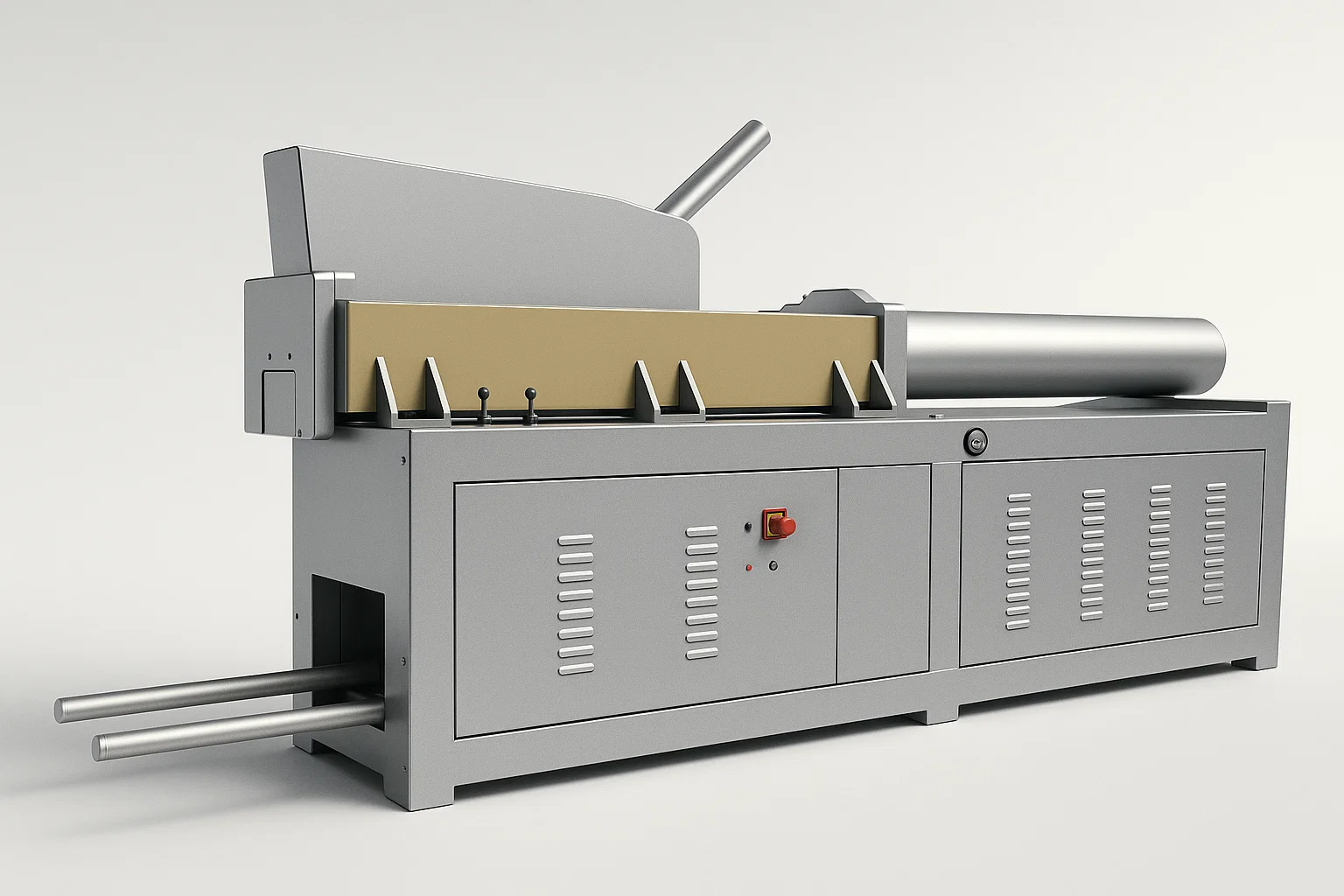
Single Hook Tire Wire Debeader
Protect your shredder blades by removing steel beads before processing.
Tire Recycling Guides & Resources
In-depth articles covering process selection, output specs, market grades, and operational details.
Complete Buyer’s Guide: Types, Process & ROI
Tire recycling machine types compared with throughput, ROI calculation, and selection criteria.
Markets: TDF vs TDA vs CRM Specs
Tire-derived fuel, tire-derived aggregate, and crumb rubber market specifications side by side.
Waste Tire Granulators: How They Work
Granulator working principle and how to specify output mesh size for downstream value.
Steel Wire Separation & Clean Crumb Rubber
Granulator and separator configurations for clean, wire-free crumb rubber output.
Why the Sidewall Is Cut First
The pre-cutting step explained — why sidewall removal protects shredder blades and improves throughput.
Tire Recycling Line: Trial Run Walkthrough
Trial run video and commissioning notes from a complete tire recycling line installation.
Frequently Asked Questions
Common questions regarding line selection, capacity, and material output.
A tire recycling machine is an integrated system that processes scrap tires into crumb rubber while automatically separating steel and textile for high-purity output.
The line combines multi-stage size reduction, magnetic steel separation, air fiber removal, and fine grading to deliver controlled particle sizes.
Car, truck, and OTR tires can be processed when the line is matched to the feedstock size and desired output specification.
Yes. Every line includes safety interlocks, centralized control, and equipment protection to support stable and safe operation.
Consumption depends on material type and output size. We use optimized drives and process tuning to keep kWh per ton as low as possible.
Contact Energycle directly with your throughput targets and tire sizes for a standard or custom line configuration.
A tire recycling machine costs USD 140,000 to USD 1.8 million for the equipment alone, depending on capacity and output target. A 1 t/h entry line runs USD 140k-220k; a 3 t/h mid-volume line runs USD 360k-520k; a 5 t/h commercial line runs USD 620k-880k; a 10 t/h industrial line runs USD 1.2M-1.8M. Add 25-35% for civil works, electrical incoming, dust extraction, customs duty, and operator training. The all-in installed cost for a typical 3 t/h crumb rubber line lands at USD 480k-720k delivered to most emerging-market sites in 2026.
Capacity is determined by annual feedstock tonnage divided by 250 working days × 16 production hours, plus 20% headroom. A plant processing 12,000 t/year of waste tires needs about 3,600 kg/h, rounded up to a 4 t/h tier. Below 1 t/h the line is uneconomic for most output grades — per-ton processing cost approaches output value. The 3 t/h tier is the most common globally because it sits at a favorable per-ton processing cost while fitting a standard 25 m × 28 m hall.
TDF (tire-derived fuel) is 50-75 mm tire chips burned in cement kilns and biomass boilers, sold at USD 35-65/t. TDA (tire-derived aggregate) is 25-75 mm chips with steel removed, used as lightweight fill in civil engineering at USD 70-120/t. Crumb rubber is 10-30 mesh granulated rubber with steel and fiber removed, used in molded goods, sports surfaces, and modified asphalt at USD 320-480/t. Fine rubber powder (40-200 mesh) is the highest-value output at USD 750-1,400/t. TDF needs the simplest line; crumb and powder need granulators, fiber separation, and additional milling.
Payback period for a tire recycling machine ranges from 24 to 48 months depending on capacity, output grade, and feedstock cost. A 3 t/h crumb rubber line with 10-30 mesh output, USD 12/t feedstock cost, and 75% uptime pays back in 28-38 months. A 5 t/h line producing fine rubber powder (40-80 mesh) pays back in 24-32 months thanks to the 2-3× price premium over standard crumb. Sensitivity analysis on tipping fee revenue, output price, and feedstock supply contracts should run before any purchase commitment.
A tire recycling machine can process OTR (off-the-road) and mining tires when configured with a heavy-duty pre-cutting station, debeading machine, and reinforced shredder blades. OTR rubber is 30-45% harder than passenger car rubber and chews through standard blades in 200-400 hours. Plants processing OTR routinely run D2 tool steel or HVOF-coated blades and lower throughput nameplate by 25-35% versus PCR processing. Specifying OTR capability upfront costs 15-25% more than a PCR-only line; retrofitting later costs 40-60% more.
Build Your Integrated Recycling Line
Tell us about your tire sizes, target output, and planned throughput. We will send a tailored configuration and complete project quote.