

Máquinas de Granulador de Plástico para Reciclagem e Regrind In-House
Máquinas de trituração e granulação úmidas, rígidas, verticais, para garrafas PET e integradas, de 100 kg/h a 2.000 kg/h. Lâminas SKD-11, tamanhos de peneira personalizados, direto do fabricante.
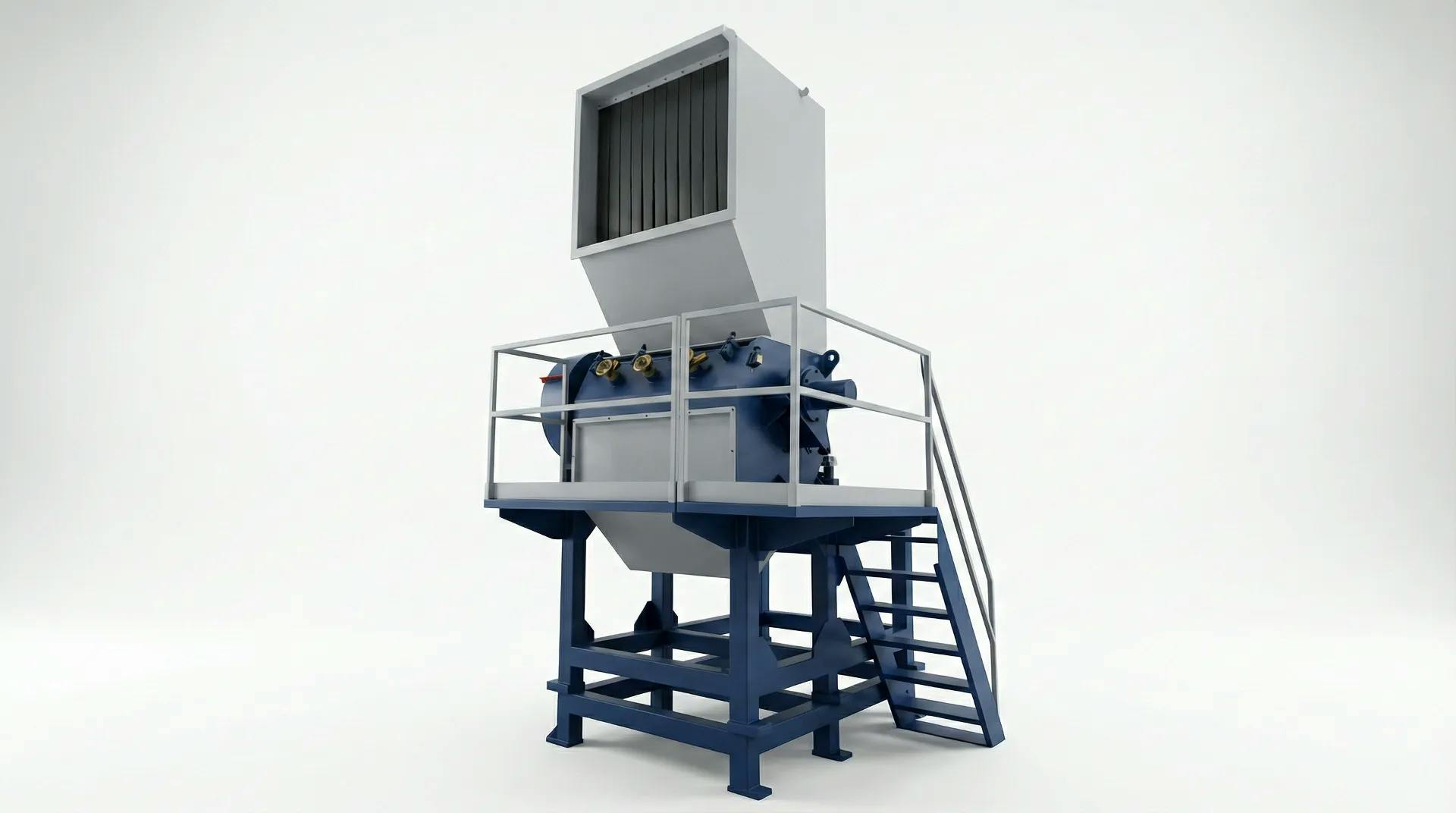
O que faz uma granuladora de plástico e onde ela se situa na sua linha
Uma granuladora de plástico é o redutor de tamanho preciso que transforma resíduos em regranulado uniforme para extrusão, granulação, lavagem ou revenda.
Uma granuladora reduz rebentos, sprues, peças defeituosas, garrafas, filme, tubo e placa em grânulos de regranulado uniforme, tipicamente de 4-18 mm. Enquanto um triturador rasga grandes itens em tiras grossas com alto torque e baixa rpm e um granulador transforma polímero fundido em grânulos redondos, a granuladora se situa entre eles com rotores de alta velocidade, lâminas de aço ferramental e uma peneira de dimensionamento que define o tamanho final da partícula. Para lojas de injeção de moldagem, uma granuladora ao lado da prensa recupera rebentos em linha. Para plantas de reciclagem, uma granuladora centralizada logo após o triturador produz o regranulado que alimenta uma linha de lavagem, extrusora ou granulador. Para comparações de máquinas, consulte nossa shredder vs. granulator vs. pelletizer guia ou leia how a plastic granulator works. Planejando um projeto turnkey? Comece com nossa Soluções de reciclagem em nível de linha.
Principais vantagens da nossa série de britadores e granuladores
faixa de modelos, geometria de corte, usabilidade, construção e lógica de controle são ajustadas ao seu material e qualidade de regranulado alvo.
Linha de modelos versáteis
Desde unidades compactas até máquinas de grande escala para materiais úmidos e secos, PET, PVC e plásticos rígidos volumosos.
Corte de alto desempenho
Rotores especializados incluindo designs de corte V e lâminas de garras, combinados com lâminas de aço D2 duráveis, melhoram a redução de tamanho e a uniformidade de saída.
Projetado para usabilidade
Cámaras de acesso fácil, lâminas ajustáveis e peneiras modulares simplificam a operação e manutenção diárias.
Construção robusta
Quadros robustos e componentes de qualidade suportam uma longa vida útil ao processar materiais duros e contaminados.
Pronto para controle inteligente
Integração opcional de PLC suporta alimentação automatizada, proteção contra sobrecarga e controle sincronizado da operação da linha.
Explore nossa linha de britadores e granuladores.
Escolha a família de modelos com base no tamanho de alimentação, nível de contaminação, estilo de rotor e saída alvo.
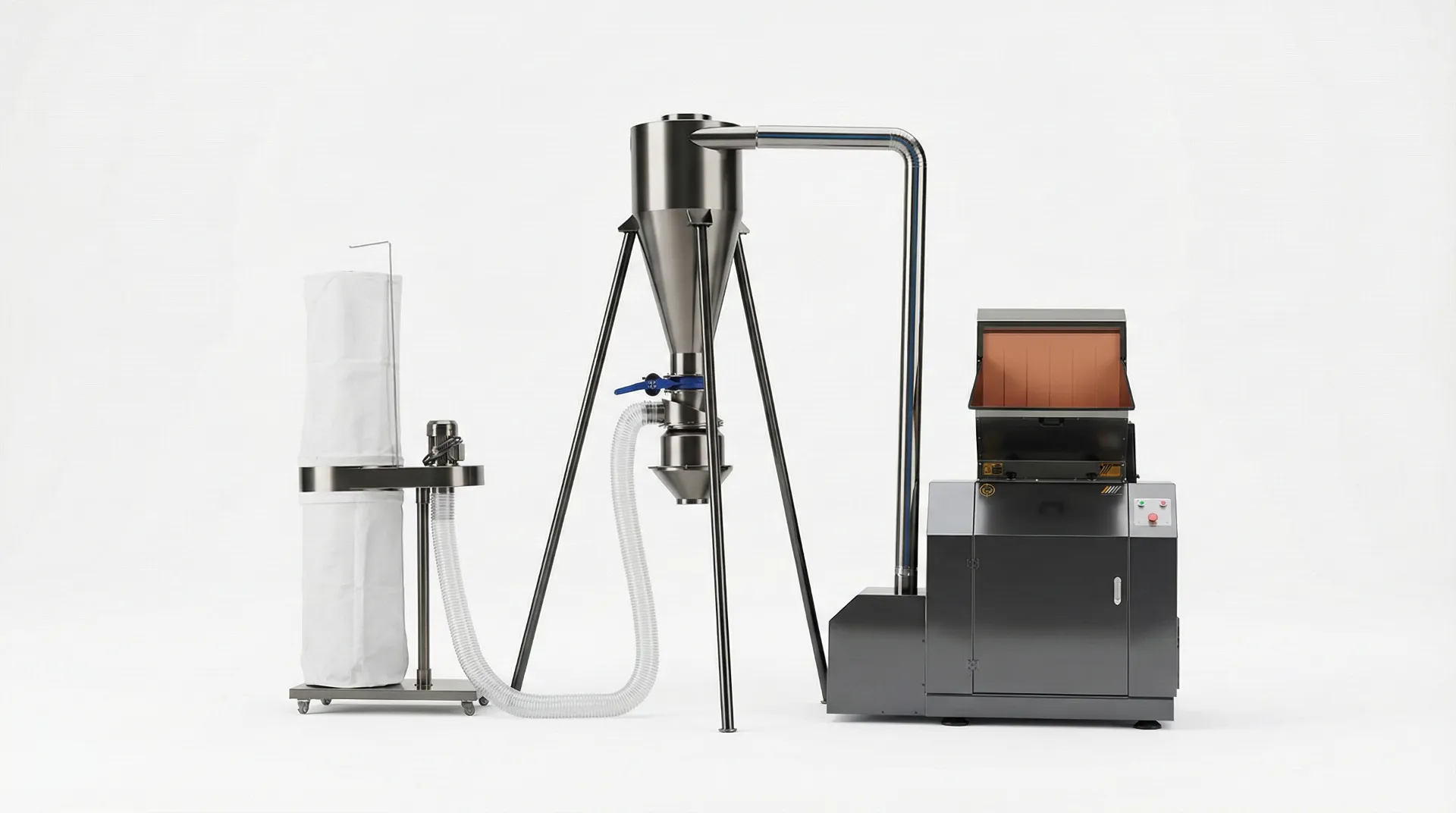
Máquina trituradora pequena
Uma solução eficiente e versátil com lâminas ajustáveis e uma peneira modular para operações de reciclagem modernas.
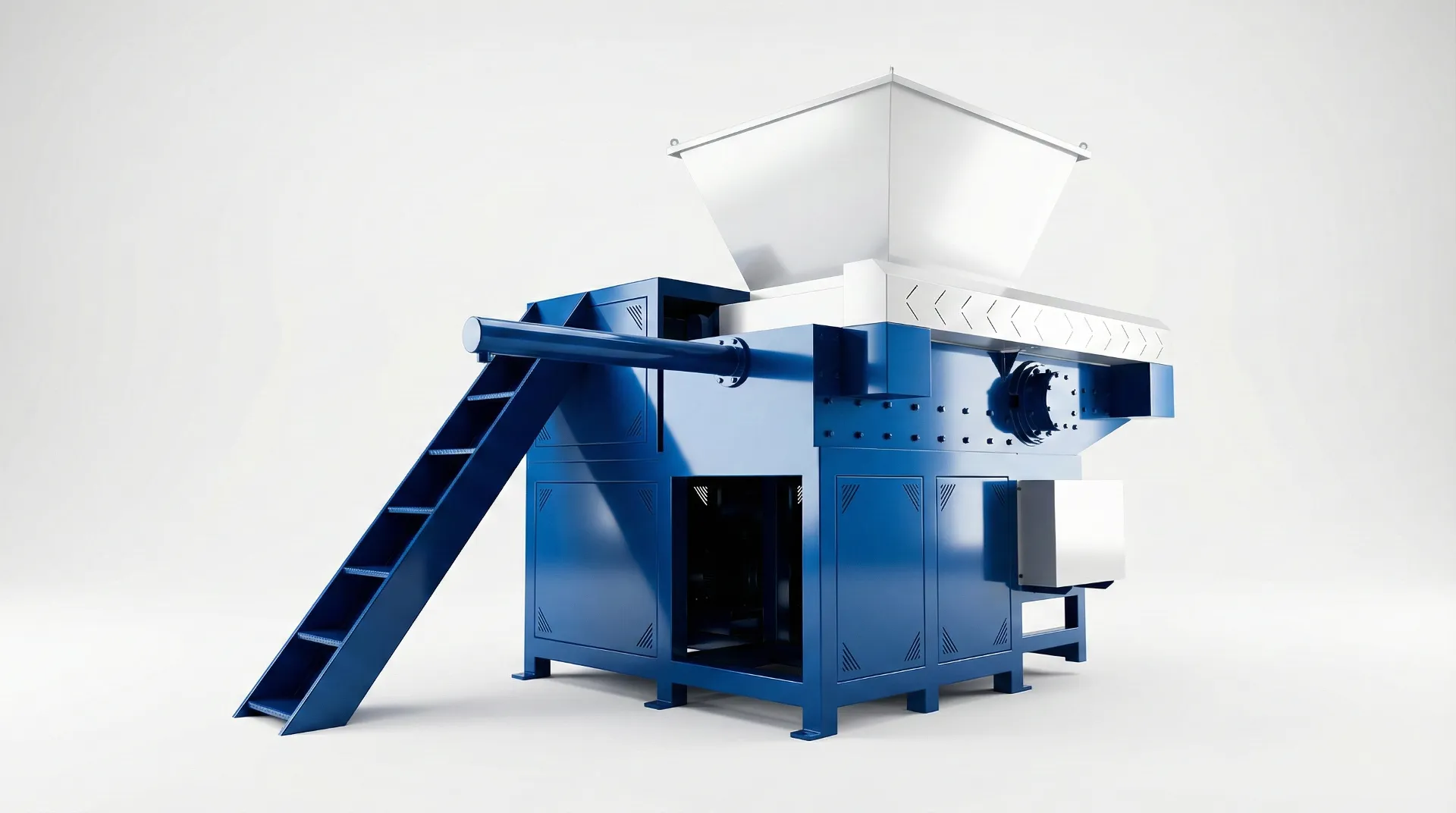
Triturador-Granulador Integrado
Combina trituração de alto desempenho e granulação precisa em uma máquina compacta para diversos materiais.
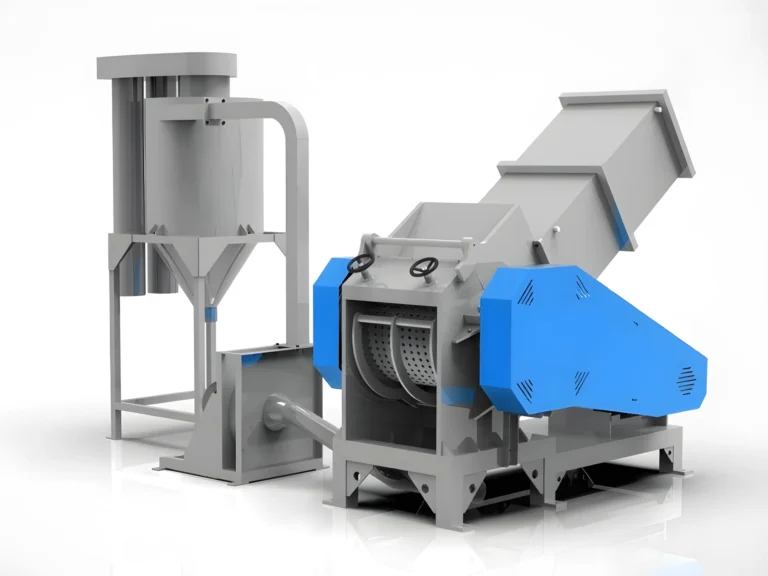
Granulador vertical para tubos de PVC e perfis de janelas
Alimentação robusta para longos tubos e perfis sem pré-corte, melhorando a segurança e eficiência.
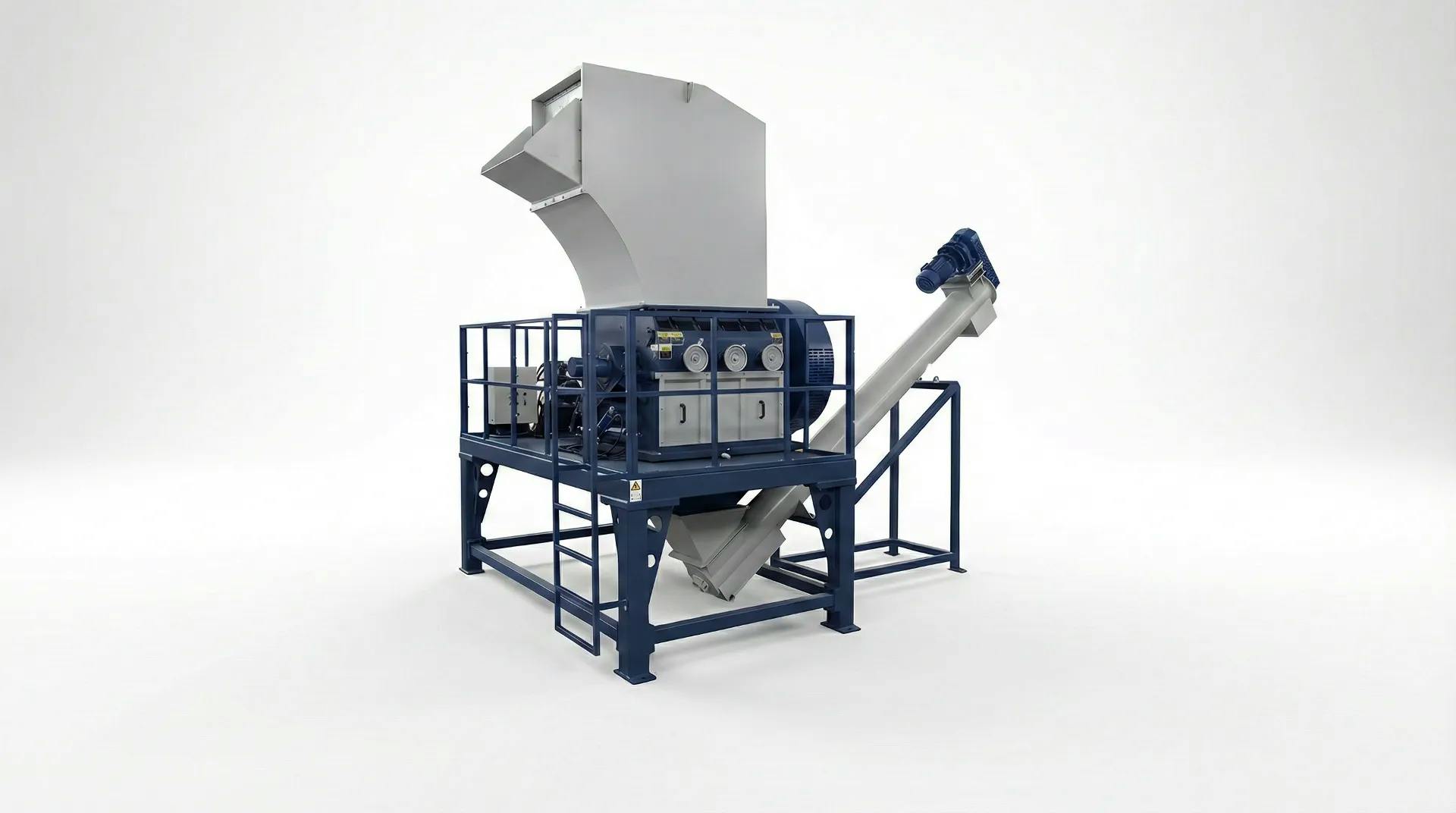
Granulador de plástico úmido
Limpa enquanto granula, ideal para resíduos plásticos úmidos ou contaminados e partículas mais limpas.
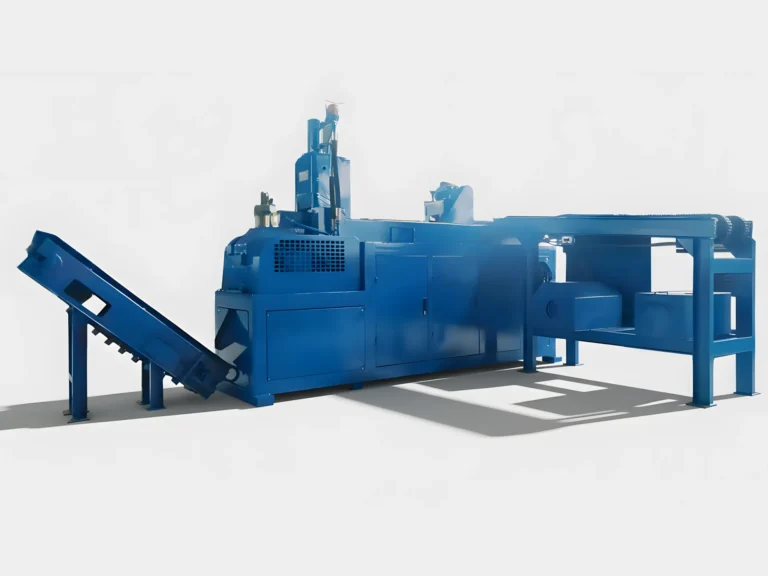
Máquina de corte a frio de lingotes de chumbo
Uma maneira mais segura e sem fumaça de produzir grânulos de chumbo transformando lingotes sólidos sem derreter.
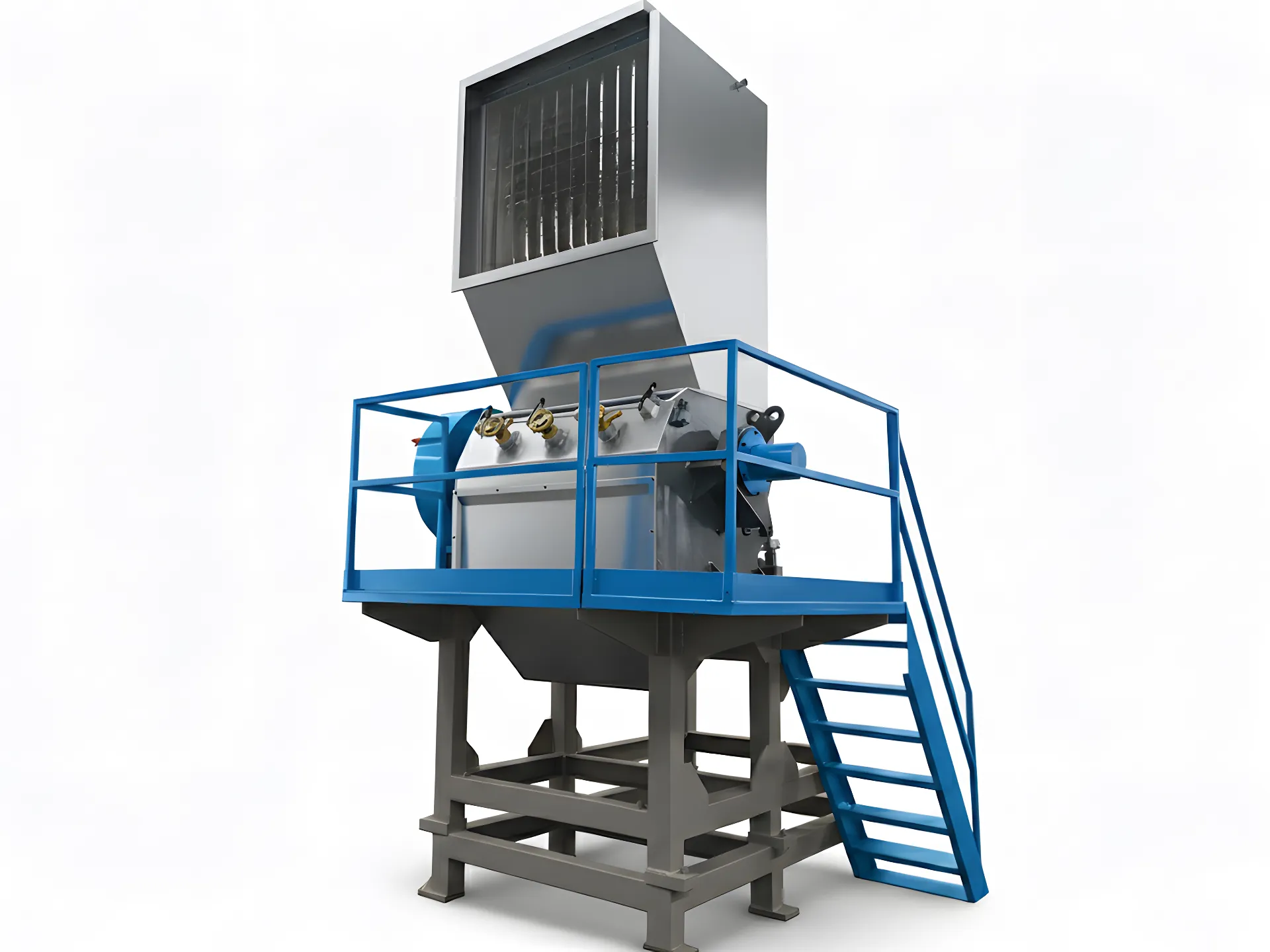
Granulador de plástico rígido extra grande
Trata resíduos volumosos como tambores, caixas e paletes, transformando-os em regranulado uniforme de alto valor.
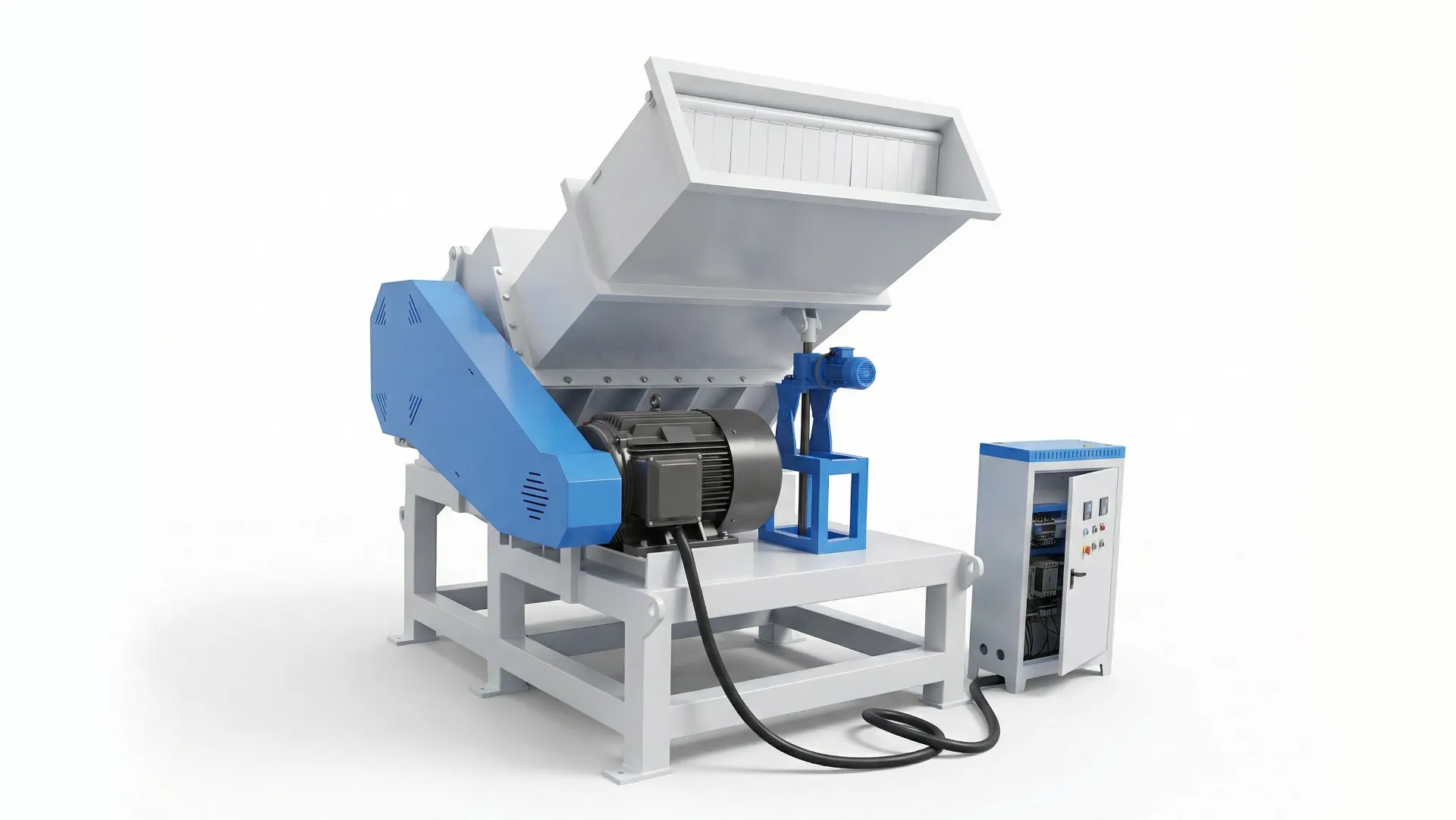
Triturador horizontal de bandeja de plástico e folha de PVC
Projetada para plásticos planos e volumosos com alimentação horizontal para processamento estável e moagem uniforme.
Parâmetros técnicos (Série padrão)
Exemplos típicos para a série de granuladoras plásticas padrão. A configuração final depende do material, capacidade de produção e tamanho de flake alvo.
| Modelo | Motor (kW) | Lâminas móveis | Lâminas fixas | Rotor (mm) | Abertura de alimentação (mm) |
|---|---|---|---|---|---|
| PC400 | 15 | 12 | 2 | 380×400 | 400×320 |
| PC500 | 22 | 18 | 2 | 380×500 | 500×320 |
| PC600 | 30 | 24 | 4 | 450×600 | 600×450 |
| PC800 | 45 | 30 | 4 | 580×800 | 800×550 |
Deslize para a esquerda ou direita para ver a tabela completa.
Observação: as máquinas podem ser personalizadas para suas necessidades de material e saída.
Como Escolher o Granulador de Plástico Certo em 4 Perguntas
Use esses quatro pontos para restringir o tipo de máquina antes de dimensionar o rotor, motor, peneira e aço de lâmina.
1. Qual é sua matéria-prima?
Barris e filme: granulador úmido ou de escamas de PET. Sólidos rígidos e purga: rígido pesado. Tubo longo e perfil: vertical. Resíduos volumosos mistos ou não separados: shredder-granulador integrado.
2. Qual capacidade de produção você precisa?
Reaproveitamento ao lado da máquina: 50-200 kg/h. Reciclagem de médio porte: 300-900 kg/h. Central de tratamento: 1.500-2.000 kg/h. Tamanho 20% acima do pico para proteger o motor.
3. Qual tamanho de regrind você precisa?
Alimentação do extrusor: 6-10 mm. Linha de pelotização: 8-14 mm. Revenda como escama: 10-18 mm. Veja nossa guia de tamanho de peneira.
4. Matéria-prima suja ou limpa?
Resíduo limpo: lâminas padrão D2 ou SKD-11. Garrafas ou filmes rotuladas com areia: granulador úmido com bico de aço inoxidável. Resíduos de vidro ou reforçados com fibra: CPM-10V ou carbeto.
Gostaria da versão longa? Leia a guia completa de seleção de granulador →
Granulador vs. Triturador vs. Moedor vs. Granulador
Os quatro reduzem plástico em diferentes estágios, faixas de rpm e tamanhos de saída.
| Destruidor | Granulador | Moedor / Pulverizador | Peletizador | |
|---|---|---|---|---|
| Tamanho de Entrada | Até 2 m | Até 800 mm | Grânulos de regrind | Grânulos de regrind |
| Tamanho da saída | 20-100 mm | 4-18 mm | Pó de 0,1-1 mm | Pelotas de 2-4 mm |
| RPM | 20-120 | 400-800 | 3,000-6,000 | 30-60 |
| Torque | Muito alto | Médio | Baixo | Alto (screw) |
| Uso típico | Redução inicial | Segundo estágio / interno | Pó de PVC e rotomoldagem | Reprocessamento final |
Deslize para a esquerda ou direita para ver a tabela completa.
Onde Granuladores Energycle operam todos os dias
Os granuladores são dimensionados em torno do insumo real, nível de contaminação e processo downstream.
Reciclagem de Garrafas PET
Produção de escamas de PET lavadas a quente, alimentação de saída de 8-14 mm para linhas de pelotização de alimentos. Ver estudo de caso de linha de PET →
Latas de HDPE & IBC
Granulador rígido pesado com bico de grande capacidade para contentores IBC, tambores de HDPE e purga de injeção até 800 mm.
Sacolas de tecido de PP & Filme
Granulador úmido com rotor anti-enrolamento para filme LDPE, sacolas tecidas de PP e filme agrícola.
PVC Tubo & Perfis
Granulador vertical processa tubo de PVC de 6 metros e perfil de janela sem pré-corte.
Recuperação de Início de Linha
PC400 de recuperação ao lado da prensa que recupera sprues e runners quentes, em linha com moldagem por injeção.
Plástico Reforçado com Fibra
Rotores reforçados com CPM-10V ou lâminas de carbeto para resíduos de PA preenchido com vidro, PBT e composto.
Lâminas de Granulador & Peças de Desgaste
As lâminas são o número um em consumo em qualquer granulador. Escolha o aço certo e planeje um ciclo de afiação desde o início.
Ferramentas de Granulador de Substituição
Lâminas do rotor e do leito em SKD-11, DC53 e CPM-10V. HRC 58-62. Tamanhos personalizados para qualquer diâmetro de rotor.
AfiaçãoAmolador de facas automático
Afie as lâminas do granulador até ≤0,03 mm de precisão. 6-10 reafiações por conjunto de lâminas antes da substituição.
GuiaEscolhendo Lâminas de Granulador
Ajuste o aço da lâmina, ângulo de inclinação e dureza ao insumo plástico.
Cost AnalysisBlade Material vs. Cost
Quando o aço premium compensa e quando o D2 é a resposta certa.
Keep Every Granulator Running at Peak Output
Um ritmo simples de manutenção protege a saída, o custo de energia e a consistência do reprocessamento.
Espaçamento da lâmina – semanal
O espaço entre a lâmina rotativa e a base deve permanecer entre 0,15-0,30 mm. Um espaço acima de 0,5 mm desperdiça 15-25% de energia do motor e rasga o plástico em vez de cortá-lo.
Inspeção de tela
Substitua telas tortas ou desgastadas. Furos alargados além de 110% permitem que regrind oversized passe por eles. Veja how screen size affects quality.
Afie, não substitua
Lâminas de aço de ferramenta podem ser reafiadas 6-10 vezes. Um automatic grinder pays for itself within one blade set.
Bearing & belt schedule
Lubrifique os rolamentos a cada 500 horas e reestique os correias V a cada 200 horas. Veja nossa manutenção e solução de problemas guides.
Granulador de Plástico – Perguntas Frequentes
Respostas rápidas para custo, tipo de máquina, tamanho da tela, vida útil da lâmina, consumo de energia e planejamento completo da linha.
Obtenha uma solução personalizada e orçamento
Para obter os preços mais recentes, prazos de entrega e um triturador ou granulador compatível com seu material e tamanho de grão alvo, envie-nos suas necessidades. Se precisar de uma linha completa desde a trituração até a lavagem, secagem e pelotização, comece com Soluções de Reciclagem.
Diga-nos o que você precisa
Tipo de material, kg/h alvo, tamanho de grão preferido, processo úmido ou seco, e se este é uma máquina autônoma ou parte de uma linha de reciclagem completa.
Guia de Granuladores e Recursos Técnicos
Leia mais sobre seleção de máquina, tamanho de grade, manutenção, solução de problemas e vida útil das lâminas.
Como funciona um granulador de plástico?
Entenda o rotor, as lâminas, a grade, a abertura de alimentação e os controles de saída.
Como escolher o granulador certo
Ajuste o insumo, a capacidade, o tamanho do regrind e o material das lâminas.
Guia de manutenção de granuladores
Mantenha as lâminas, as grades, os rolamentos e as correias em condições confiáveis.
Solução de problemas: Obstrução e Ruído
Diagnostique problemas comuns antes que eles reduzem a capacidade ou danifiquem componentes.
Guia de seleção do tamanho da grelha
Entenda como o tamanho dos orifícios da grade afeta a capacidade e a qualidade do regrind.
Seleção de lâminas para máxima eficiência
Compare a aço das lâminas, a dureza, o ângulo de beiral e o comportamento de desgaste.