

전용 비즈 제거 단계가 효과적인 이유
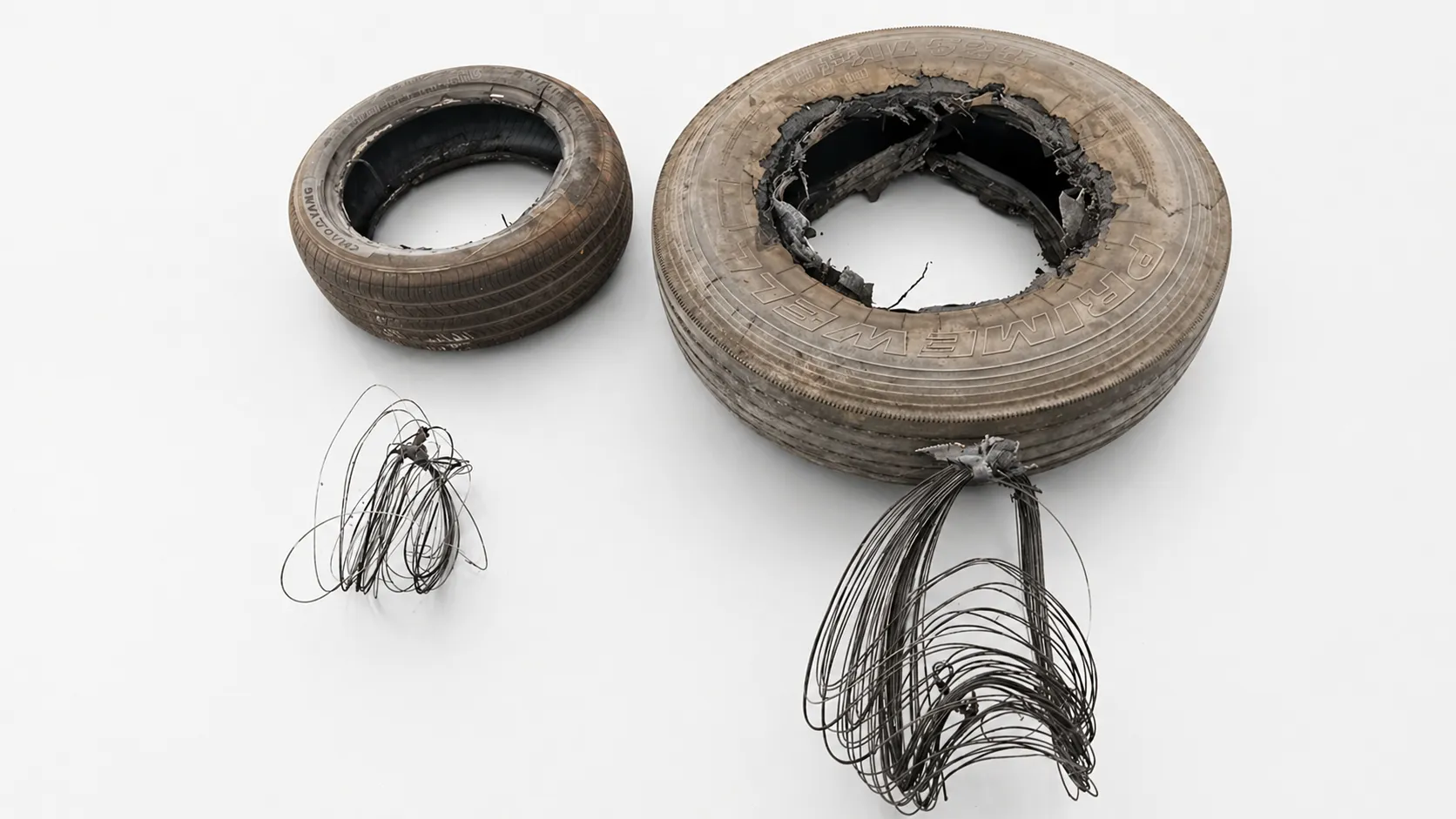
Bead wire is one of the most damaging and disruptive parts of a waste tire. Removing it before heavy reduction usually improves uptime, product quality, and downstream economics.
하류 파쇄기 칼날 및 마모 부품을 보호하십시오.
Removing the concentrated steel bead before cutting or shredding helps reduce premature blade wear, impact damage, and the maintenance interruptions caused by heavy steel at the tire sidewall.
리프팅 서포트를 이용한 빠른 적재
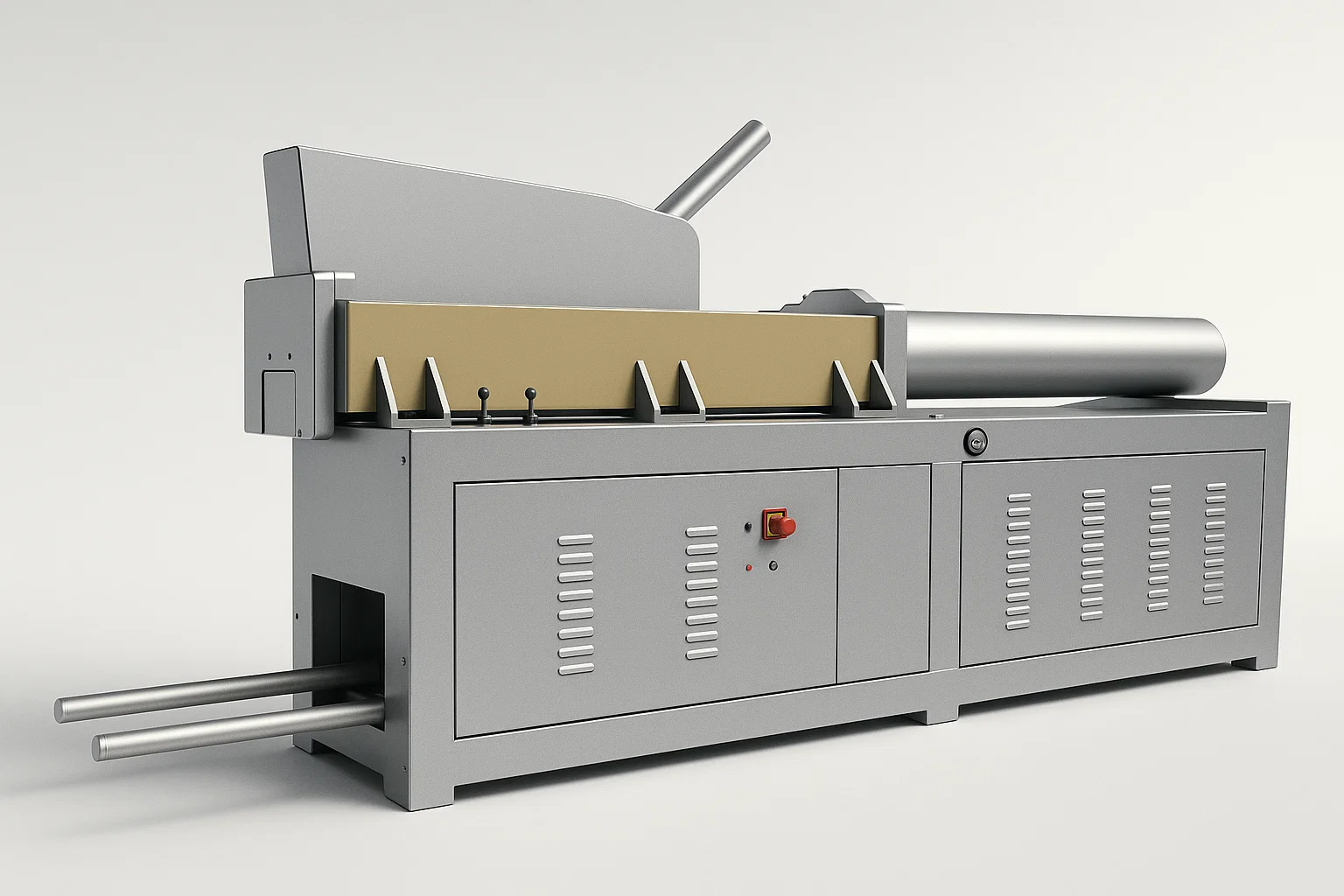
The lifting device helps operators position tires more efficiently, reducing manual effort and supporting faster repetitive operation.
제어 와이어 제거
Manual lever control gives the operator precise feedback during the extraction cycle, helping remove the bead wire without unnecessary rubber loss.
더욱 깨끗한 고무 스트림으로 제품 가치를 높이세요
Reducing steel contamination early improves the quality of rubber chips, crumb, and powder, which can support better downstream acceptance and higher-value product positioning.
전체 생산 라인의 총 운영 비용 절감
Less blade wear, fewer breakdowns, cleaner output, and more stable downstream processing make debeading one of the highest-leverage pre-treatment steps in a tire recycling plant.
고하중 유압 구조
Wear-resistant materials and a robust hydraulic system are designed for continuous industrial use in demanding tire processing environments.
이 비즈 제거기가 적합한 곳
The machine is most useful when steel bead removal is necessary to protect equipment, improve output purity, or prepare the tire for the next recycling step.
타이어 재활용 공장
Acts as the first pre-treatment stage before tire cutting, shredding, granulation, and rubber powder production.
열분해 공급원료 준비
Removing bead wire before pyrolysis helps reduce metal load in the reactor feed and supports cleaner downstream recovery.
고무 분말 생산
Helps produce cleaner rubber feed for sports surfaces, molded goods, playground materials, and flooring products.
타이어 절단 상류
Use ahead of a waste tire cutting machine when you want the pre-treatment sequence to protect both cutting and shredding stages.
통합 타이어 재활용 라인
Fits into complete lines where bead removal, size reduction, steel liberation, and powder production are planned together.
수집 현장에서의 사전 처리
Removes bead wire before tires are shipped or transferred to the next processing location, improving logistics and handling safety.
싱글 후크 비즈 제거 워크플로우
The machine is designed for straightforward tire handling and controlled steel bead extraction before the tire enters any major reduction stage.
타이어를 적재하세요
The operator positions the tire for the debeading cycle with support from the machine’s lifting arrangement.
비즈 영역에 고리를 다는 방법
The single-hook mechanism grips the bead wire zone and prepares the tire for controlled extraction.
강철선을 추출하세요
Hydraulic force and manual control work together to pull the steel bead wire from the tire sidewall with precision.
타이어를 다음 단계로 보내세요
The debeaded tire is then ready for cutting, shredding, pyrolysis preparation, or other downstream recycling processes.
타이어를 적재하세요
The operator positions the tire for the debeading cycle with support from the machine’s lifting arrangement.
비즈 영역에 고리를 다는 방법
The single-hook mechanism grips the bead wire zone and prepares the tire for controlled extraction.
강철선을 추출하세요
Hydraulic force and manual control work together to pull the steel bead wire from the tire sidewall with precision.
타이어를 다음 단계로 보내세요
The debeaded tire is then ready for cutting, shredding, pyrolysis preparation, or other downstream recycling processes.
타이어 림만 먼저 제거하는 것과 처리하지 않고 통째로 보내는 것 중 어느 것이 더 나은가?
Skipping debeading saves one step upfront, but it usually pushes wear, contamination, and handling problems further down the line where they cost more.
| 결정 요인 | 먼저 비딩 제거 | 비딩 제거 단계 없음 |
|---|---|---|
| 파쇄기 보호 장치 | Reduces concentrated bead wire damage on knives and wear parts | Higher risk of blade wear and maintenance interruptions |
| 고무 청결도 | Cleaner downstream rubber stream with less steel contamination | More contamination in chips, crumb, or powder |
| 열분해 사료 품질 | 반응기 투입 전 금속 부하량을 낮추십시오. | 더 많은 강철이 하류 공정으로 투입됩니다. |
| 운영 비용 | Can reduce total line cost through less wear and cleaner output | Lower upfront handling, but higher downstream cost risk |
| 최적의 선택 | Plants aiming for stable uptime and cleaner recycled material | 하류 장비가 추가적인 마모와 오염을 흡수하도록 설계된 경우에만 가능합니다. |
기술 사양
Select the model according to tire diameter, desired hourly output, and how the debeader will fit into your full tire recycling line.
| 매개변수 | 모델 900 | 모델 1200 |
|---|---|---|
| 용량 | 시간당 20~40개 | 시간당 20~40개 |
| 타이어 직경 관리 | ≤ Phi900 mm | ≤ Phi1200 mm |
| 모터 파워 | 5.5kW | 11kW |
| 작동 압력 | 10 MPa | 15 MPa |
| 실린더 거리 | 900mm | 1300mm |
| 기계 무게 | 1톤 | 1.4톤 |
구슬 제거기가 작동하는 모습을 보세요
See how the single-hook mechanism extracts the steel bead before the tire enters the next processing step.
자주 묻는 질문
Answers to common questions about purpose, tire size range, operation, and why debeading matters.
The machine removes the steel bead wire from tire sidewalls before the tire is cut or shredded. This protects downstream equipment and helps create cleaner recycled rubber material.
Model 900 handles tires up to Phi900 mm, while Model 1200 processes larger tires up to Phi1200 mm. Both models are rated at 20-40 tires per hour depending on operating conditions.
Manual lever control gives the operator precise, real-time feedback during wire extraction, which helps adapt to different tire conditions and reduce unnecessary rubber damage.
Bead wire is one of the toughest steel concentrations in a tire. Removing it first helps reduce shredder blade wear, contamination in the rubber stream, and maintenance cost further down the line.
Yes. Removing the bead wire before pyrolysis reduces metal in the feed and supports cleaner downstream processing compared with sending untreated whole tires forward.
타이어 재활용 라인의 첫 단계를 개선하세요
Tell us your tire diameter range, planned throughput, and the next machine in the process. We will recommend the correct debeader model and how it should fit into your full line layout.
