

Plastic Granulator Machines for Recycling & In-House Regrind
Macchine spazzatrici-granulatori integrate per bottiglie in PET, rigide, verticali, da 100 kg/h a 2,000 kg/h. Lame SKD-11, dimensioni di schermo personalizzate, direttamente dal produttore.
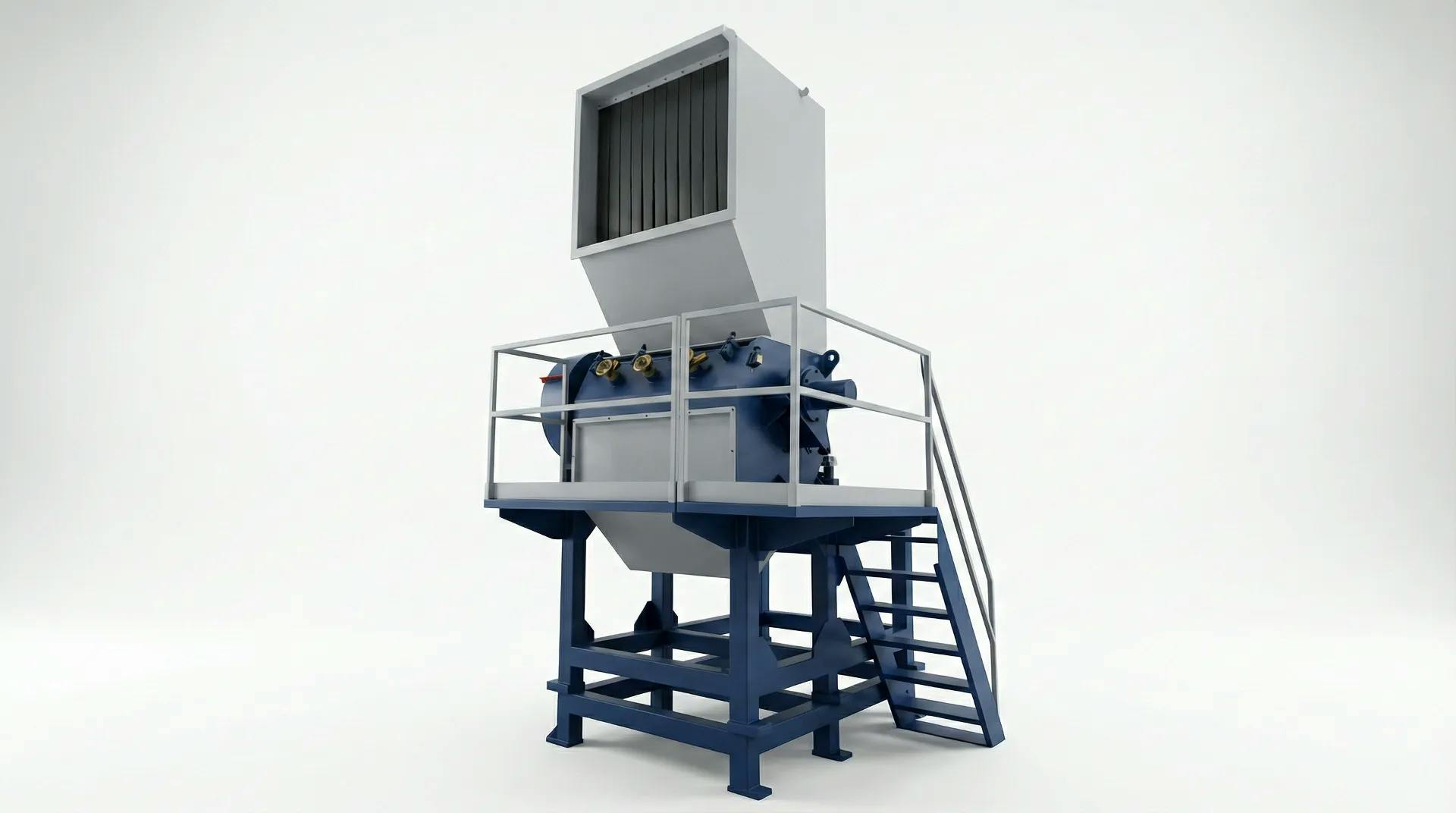
Cosa fa un granulatore in plastica e dove si colloca nella tua linea
Un granulatore in plastica è il riduttore di dimensioni di precisione che trasforma i rifiuti in regrind uniforme per estrusione, granulazione, lavaggio o rivendita.
Un granulatore in plastica riduce runners, sprues, parti difettose, bottiglie, pellicole, tubi e fogli in granuli di regrind uniformi, generalmente da 4 a 18 mm. Dove lo spazzolatrice rompe oggetti grandi in strisce grossolane con alta coppia e bassa rpm, e il granulatore trasforma il polimero fuso in granuli rotondi, il granulatore si colloca tra loro con rotori a alta velocità, lame in acciaio utensile e uno schermo di dimensionamento che definisce la dimensione finale della particella. Per negozi di iniezione di formatura, un granulatore accanto alla macchina riscatta i runners in linea. Per impianti di riciclaggio, un granulatore centrale in corrispondenza di uno spazzolatrice produce il regrind che alimenta una linea di lavaggio, estrusore o granulatore. Per confronti di macchine, vedere il nostro shredder vs. granulator vs. pelletizer guide o leggere come funziona un granulatore di plastica. Stai pianificando un progetto chiavi in mano? Inizia con la nostra Soluzioni di riciclaggio a livello di linea.
Vantaggi principali della nostra serie di frantoi e granulatori
gamma di modelli, geometria di taglio, usabilità, costruzione e logica di controllo sono abbinati al tuo materiale e alla qualità del regrind target.
Gamma di modelli versatili
Dalle unità compatte alle macchine di grandi dimensioni per materiali umidi e asciutti, PET, PVC e plastiche rigide ingombranti.
Taglio ad alte prestazioni
Rotori specializzati inclusi design a taglio V e a uncino, combinati con lame in acciaio D2 resistenti, migliorano la riduzione delle dimensioni e l'uniformità dell'output.
Progettato per la massima usabilità
Camere di facile accesso, lame regolabili e setacci modulari semplificano l'operazione quotidiana e la manutenzione.
Costruzione robusta
Strutture pesanti e componenti di qualità supportano una lunga durata di servizio quando si elaborano flussi di materiali rigidi e contaminati.
Predisposto per il controllo intelligente
Integrazione PLC opzionale supporta il rifornimento automatizzato, la protezione contro sovraccarichi e il controllo sincronizzato dell'operazione della linea.
Esplora la nostra gamma di frantoi e granulatori
Scegli la famiglia di modelli in base alla dimensione di alimentazione, al livello di contaminazione, al tipo di rotore e all'output target.
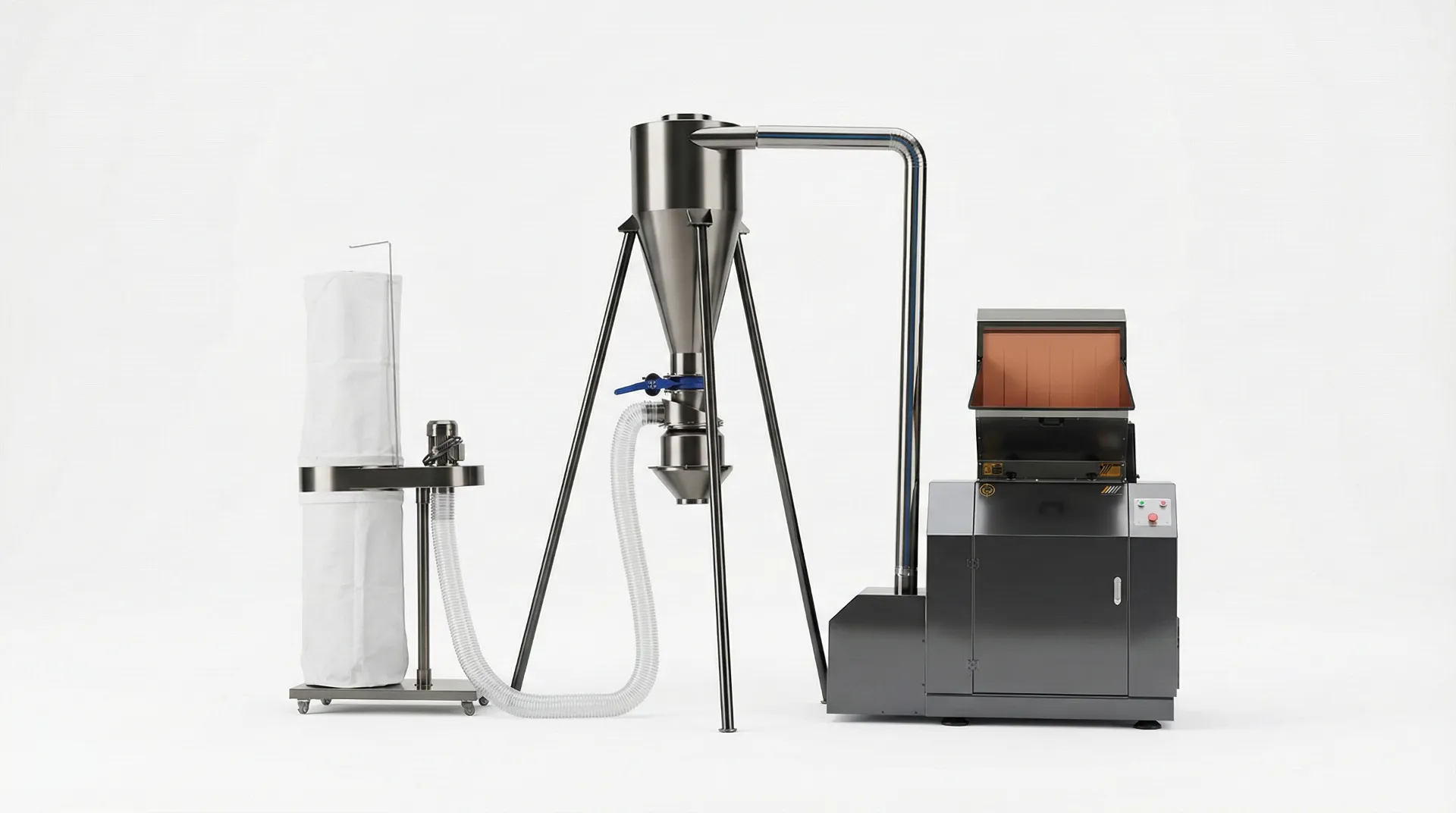
Piccola macchina frantumatrice
Una soluzione efficiente e versatile con lame regolabili e setaccio modulare per le moderne operazioni di riciclaggio.
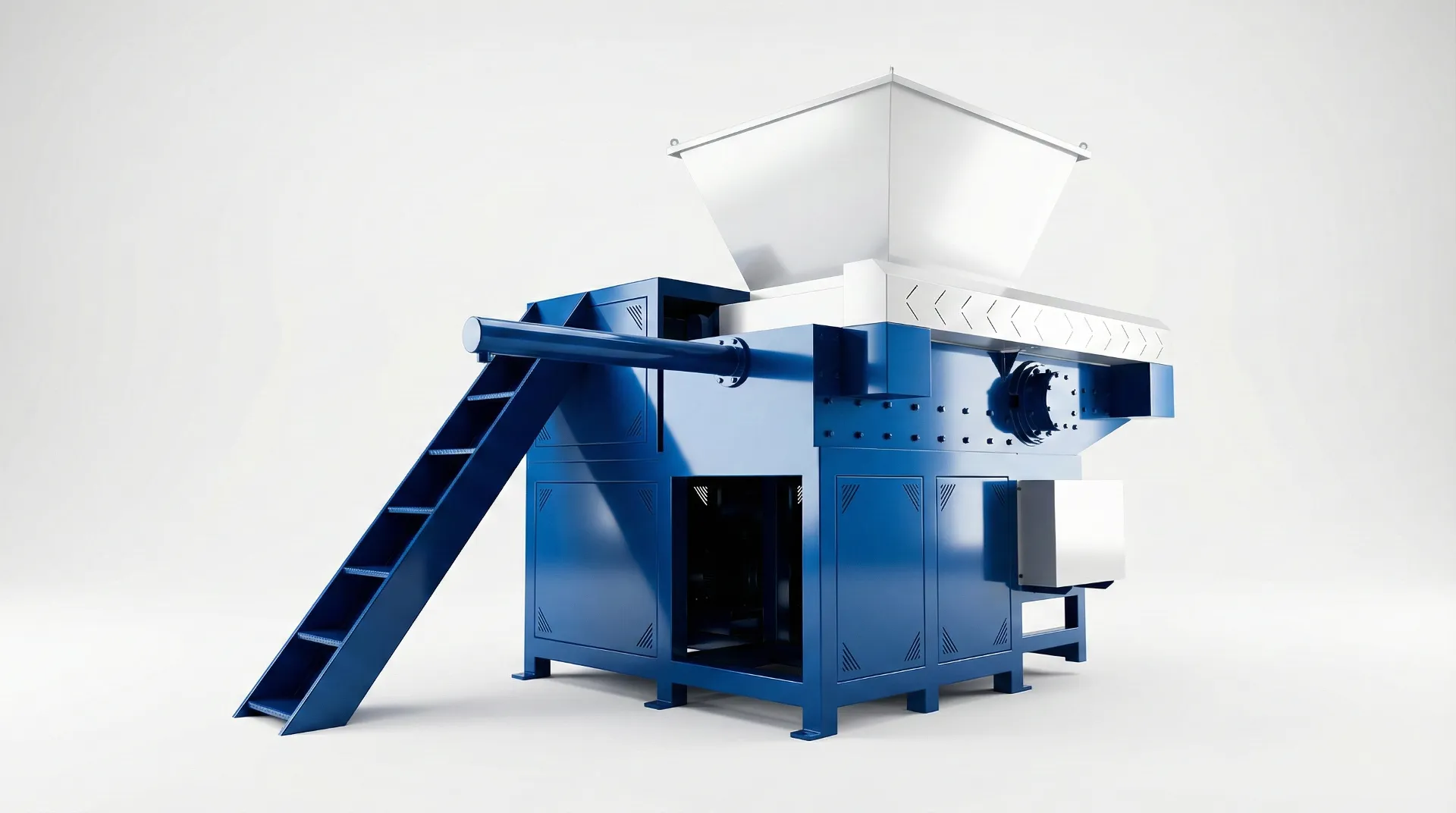
Trituratore-granulatore integrato
Combina spazzolatura ad alta prestazione e granulazione precisa in una macchina compatta per materiali diversi.
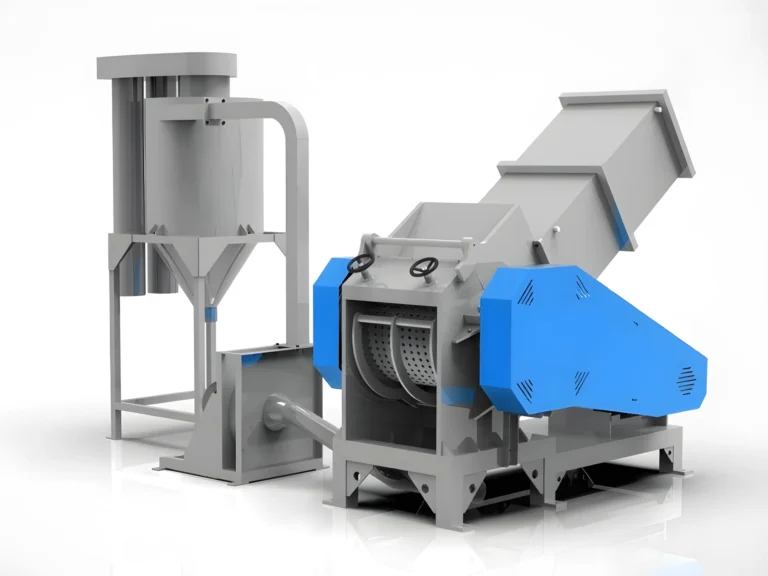
Granulatore verticale per tubi in PVC e profili per finestre
Alimentazione pesante per tubi e profili lunghi senza pre-taglio, migliorando la sicurezza ed efficienza.
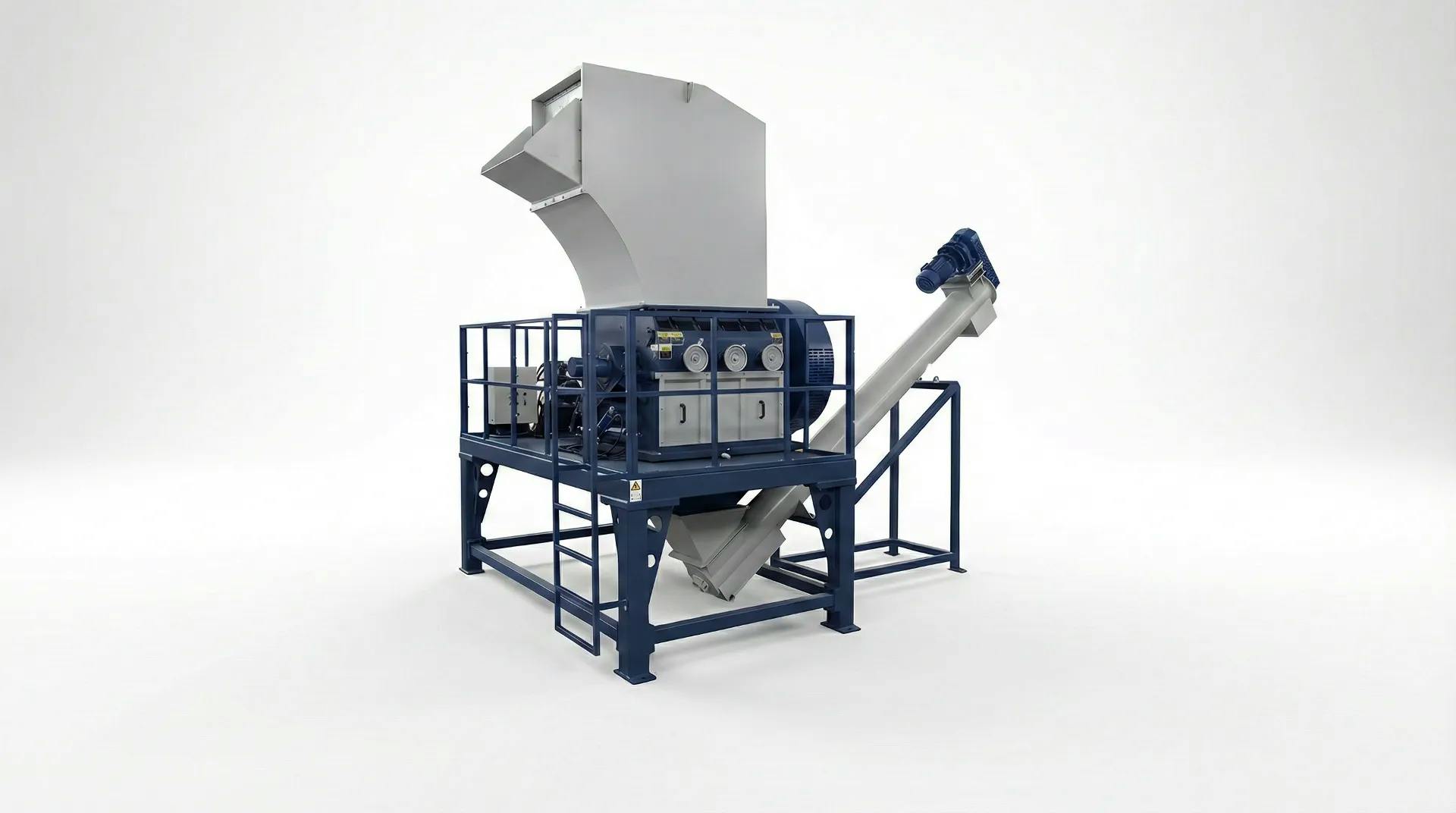
Granulatore di plastica bagnato
Lavaggio durante la granulazione, ideale per rifiuti di plastica umida o contaminati e particelle pulite.
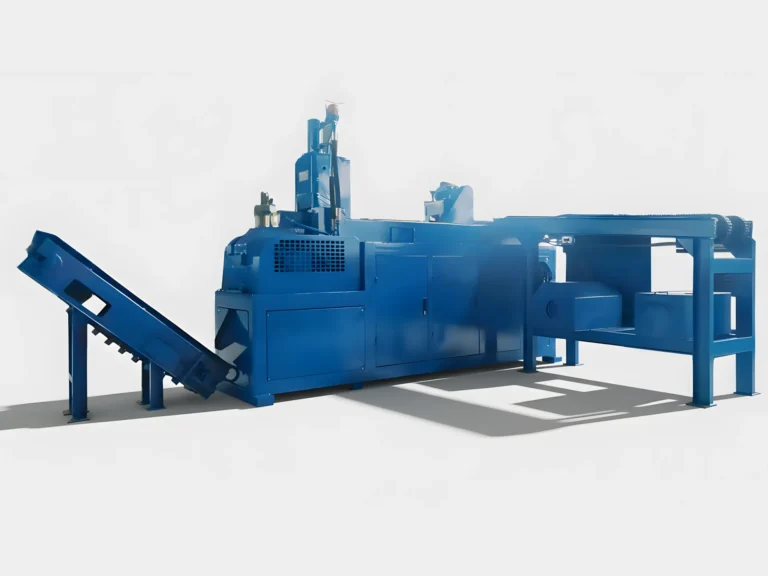
Macchina per il taglio a freddo di lingotti di piombo
Un modo più sicuro e senza fumi per produrre granuli di piombo trasformando ingot solidi senza sciogliere.
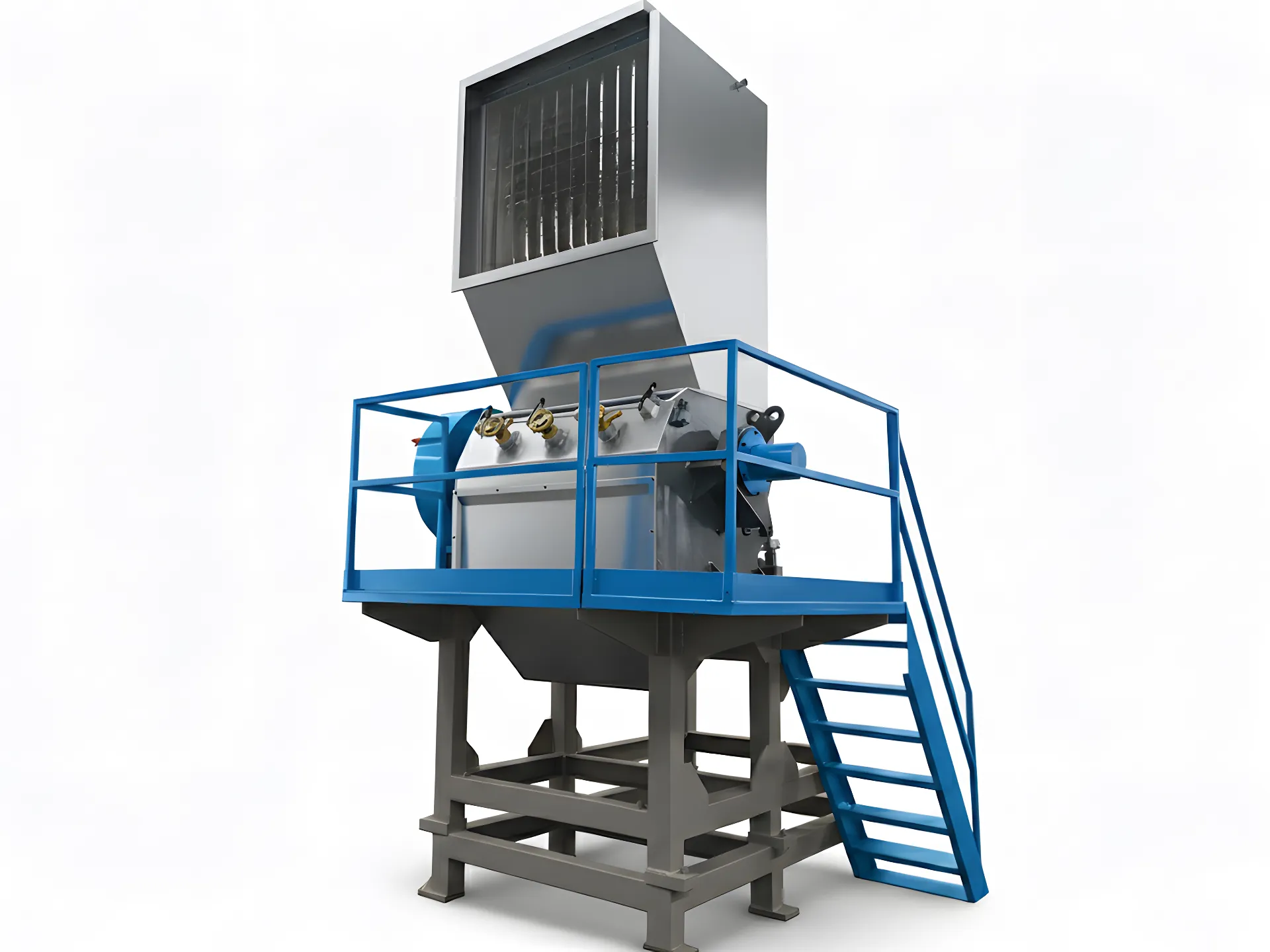
Granulatore in plastica rigida extra large
Affronta rifiuti ingombranti come barili, casse e pallet, trasformandoli in regrind uniforme ad alta valore.
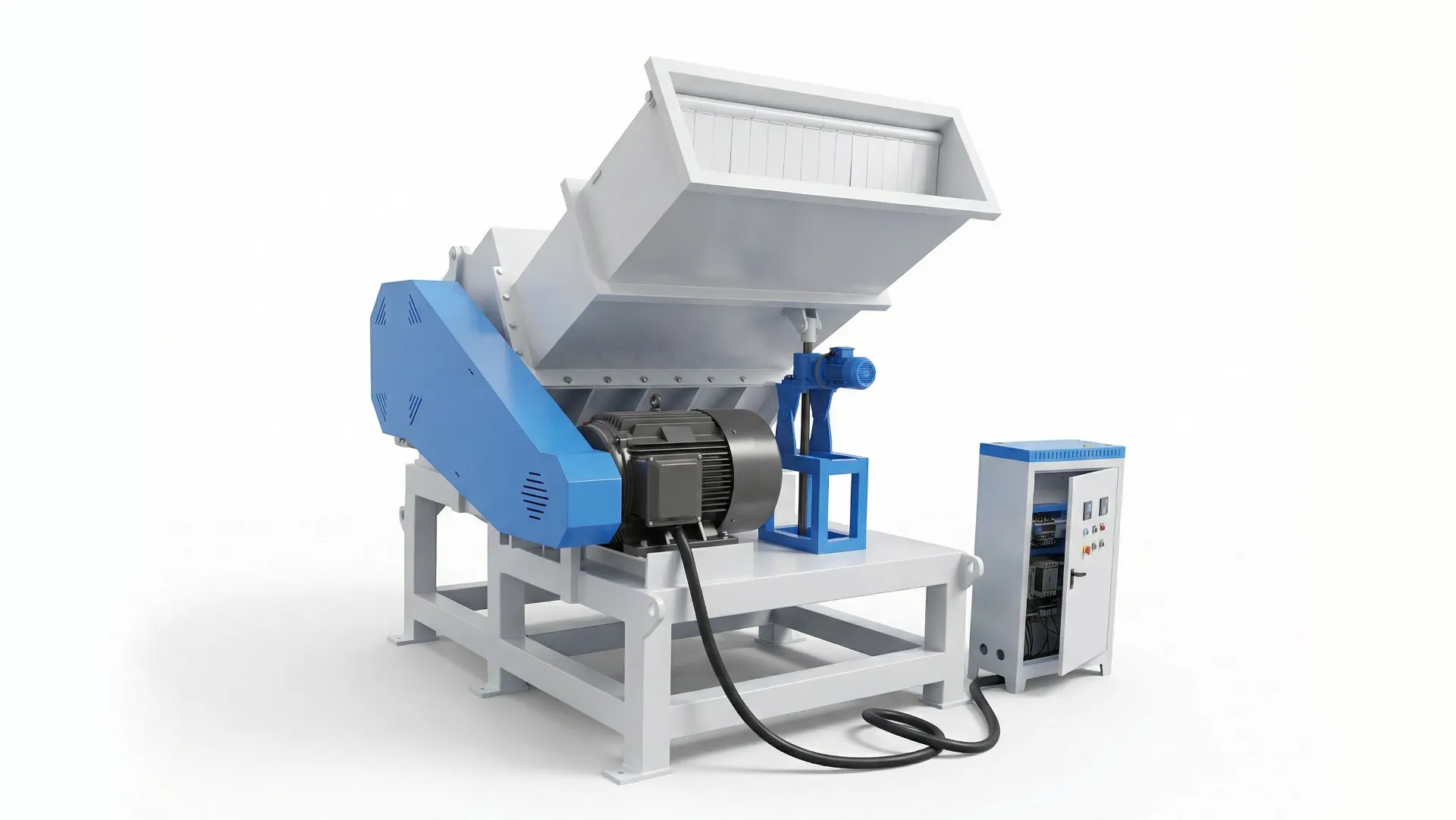
Frantoio orizzontale per vassoi di plastica e fogli di PVC
Progettato per materie plastiche piatte e voluminose con alimentazione orizzontale per una lavorazione stabile e una macinatura uniforme.
Parametri tecnici (serie standard)
Esempi tipici per la serie di granulatori in plastica standard. La configurazione finale dipende dal materiale, dal throughput e dalla dimensione del flake target.
| Modello | Motore (kW) | Lame mobili | Lame fisse | Rotore (mm) | Apertura di alimentazione (mm) |
|---|---|---|---|---|---|
| PC400 | 15 | 12 | 2 | 380×400 | 400×320 |
| PC500 | 22 | 18 | 2 | 380×500 | 500×320 |
| PC600 | 30 | 24 | 4 | 450×600 | 600×450 |
| PC800 | 45 | 30 | 4 | 580×800 | 800×550 |
Scorrere a destra per vedere la tabella completa.
Nota: le macchine possono essere personalizzate secondo le tue esigenze di materiale e output.
How to Choose the Right Plastic Granulator in 4 Questions
Usa questi quattro controlli per restringere il tipo di macchina prima di dimensionare il rotore, il motore, lo schermo e l'acciaio delle lame.
1. Qual è la vostra materia prima?
Bottiglie e film: granulatore a umido o a scaglie di PET. Pezzi rigidi e residui di spurgo: granulatore per materiali rigidi ad alta resistenza. Tubi lunghi e profili: granulatore verticale. Rifiuti voluminosi misti o non selezionati: trituratore-granulatore integrato.
2. What throughput do you need?
Recupero al di fuori della macchina: 50-200 kg/h. Riciclaggio di media scala: 300-900 kg/h. Centrale: 1,500-2,000 kg/h. Dimensione 20% oltre il picco per proteggere il motore.
3. What regrind size do you need?
Alimentazione dell'estrusore: 6-10 mm. Linea di pellettizzazione: 8-14 mm. Rivendita sotto forma di scaglie: 10-18 mm. Consulta il nostro screen size guide.
4. Dirty or clean feed?
Rifiuti puliti: lame standard D2 o SKD-11. Bottiglie etichettate o film con sabbia: granulatore a umido più tramoggia in acciaio inossidabile. Rifiuti con aggiunta di vetro o rinforzati con fibre: CPM-10V o carburo.
Prefer the long form? Read the complete granulator selection guide →
Granulator vs. Shredder vs. Grinder vs. Pelletizer
Tutti e quattro riducono la plastica in diverse fasi, a diversi regimi e con diverse dimensioni di output.
| Trituratore | Granulator | Grinder / Pulverizer | Pelletizzatore | |
|---|---|---|---|---|
| Dimensione di Ingresso | Up to 2 m | Up to 800 mm | Regrind granules | Regrind granules |
| Dimensioni di uscita | 20-100 mm | 4-18 mm | polvere da 0,1 a 1 mm | granuli da 2-4 mm |
| RPM | 20-120 | 400-800 | 3,000-6,000 | 30-60 |
| Coppia | Molto alto | Medio | Basso | Alto (screw) |
| Uso tipico | Riduzione iniziale delle dimensioni | Secondo stadio / in-house | PVC e polvere per rotostampaggio | Ri-elaborazione finale |
Scorrere a destra per vedere la tabella completa.
Dove i Granulatori Energycle funzionano ogni giorno
Le granulatrici vengono dimensionate in base alla materia prima effettiva, al livello di contaminazione e al processo a valle.
Riciclaggio delle bottiglie in PET
Produzione di scaglie di PET lavate a caldo, con granuli da 8-14 mm destinati alle linee di produzione di pellet per uso alimentare. Vedi studio di caso della linea PET →
HDPE Drums & IBC
Granulatore rigido per impieghi gravosi con tramoggia sovradimensionata per contenitori IBC, fusti in HDPE e scarti di stampaggio a soffiaggio fino a 800 mm.
PP Woven Bags & Film
Granulatore umido con rotore anti-avvolgimento per pellicola LDPE, sacchi tessuti in PP e pellicola agricola.
PVC Pipe & Profile
Granulatore verticale che processa tubi in PVC da 6 metri e profili di finestre senza taglio preventivo.
In-House Runner Reclaim
PC400 di recupero accanto alla macchina per iniezione che recupera sprue e runner a caldo, in linea con la fusione a iniezione.
Fiber-Reinforced Plastic
Rotori rinforzati con lame in CPM-10V o con punta in carburo per scarti di PA, PBT e compositi rinforzati con fibra di vetro.
Granulator Blades & Wear Parts
Le lame sono il materiale di consumo più importante in qualsiasi granulatore. Scegliete l'acciaio giusto e pianificate un ciclo di affilatura fin dal primo giorno.
Lame di granulatore di ricambio
Rotori e lame fisse in SKD-11, DC53 e CPM-10V. Durezza HRC 58-62. Lunghezze personalizzate per qualsiasi diametro del rotore.
AffilaturaAffilatrice automatica per coltelli
Affilare le lame del granulatore con una precisione di ≤0,03 mm. Effettuare 6-10 affilature per ogni set di lame prima della sostituzione.
GuidaScegliere le Lame per Granulatore
Adatta l'acciaio della lama, l'angolo di smussatura e la durezza al materiale plastico da lavorare.
Cost AnalysisBlade Material vs. Cost
Quando l'acciaio di alta qualità ripaga, e quando il D2 è la scelta giusta.
Keep Every Granulator Running at Peak Output
Un programma di manutenzione regolare garantisce la produzione, il contenimento dei costi energetici e l'uniformità del materiale macinato.
Saldi sui coltelli – ogni settimana
La distanza tra il coltello del rotore e il piano deve rimanere entro 0.15-0.30 mm. Un intervallo superiore a 0.5 mm spreca 15-25% di energia del motore e strappa il plastico invece di tagliarlo.
Ispezione dello schermo
Sostituire le griglie piegate o usurate. I fori allungati oltre 110% permettono il passaggio di materiale riciclato fuori dimensioni. Vedere how screen size affects quality.
Riaffilare, non sostituire
Le lame in acciaio per utensili possono essere riaffilate 6-10 volte. Un automatic grinder pays for itself within one blade set.
Bearing & belt schedule
Lubrificare i cuscinetti ogni 500 ore e regolare la tensione delle cinghie trapezoidali ogni 200 ore. Consultare il nostro manutenzione E Risoluzione dei problemi guides.
Granulatore per plastica – Domande frequenti
Risposte rapide su costi, tipologia di macchina, dimensioni dello schermo, durata delle lame, consumo energetico e progettazione di linee complete.
Ottieni una soluzione personalizzata e un preventivo
Per conoscere i prezzi aggiornati, i tempi di consegna e trovare un frantoio o un granulatore adatto al vostro materiale e alla dimensione desiderata dei fiocchi, inviateci le vostre richieste. Se avete bisogno di una linea completa che comprenda la triturazione, il lavaggio, l'essiccazione e la pellettizzazione, iniziate con Soluzioni di riciclaggio.
Dicci di cosa hai bisogno
Tipo di materiale, produzione oraria prevista, dimensione preferita dei fiocchi, processo a umido o a secco e se si tratta di una macchina autonoma o di parte di una linea di riciclaggio completa.
Guide e risorse tecniche sui granulatori
Ulteriori approfondimenti su scelta della macchina, dimensioni del vaglio, manutenzione, risoluzione dei problemi e durata delle lame.
Come funziona un granulatore per plastica?
Comprendere il funzionamento del rotore, delle lame, del vaglio, dell'apertura di alimentazione e dei comandi di uscita.
Come scegliere il granulatore giusto
Adattare la materia prima, la portata, la granulometria del materiale macinato e il materiale delle pale.
Guida alla manutenzione dei granulatori
Mantenere coltelli, vagli, cuscinetti e cinghie in buone condizioni.
Risoluzione dei problemi: ostruzioni e rumori
Individua i problemi più comuni prima che compromettano la produttività o danneggino i componenti.
Guida alla scelta della dimensione del vaglio
Comprendere in che modo le dimensioni dei fori dello schermo influiscono sulla produttività e sulla qualità del materiale rimacinato.
Scelta delle lame per la massima efficienza
Confronta i tipi di acciaio delle lame, la durezza, l'angolo di smussatura e il comportamento all'usura.