

Machines de granulation de plastique pour le recyclage
Transformez les paillettes lavées, les films PE/PP, les sacs tissés, les films BOPP, les paillettes PET, les mousses EPS/EVA, les non-tissés soufflés et les rebroyés rigides en granulés recyclés homogènes. Energycle fournit des lignes industrielles à vis simple ou double, avec compacteur-coupeur, coupe à anneau d’eau, joncs ou configurations dédiées au matériau.
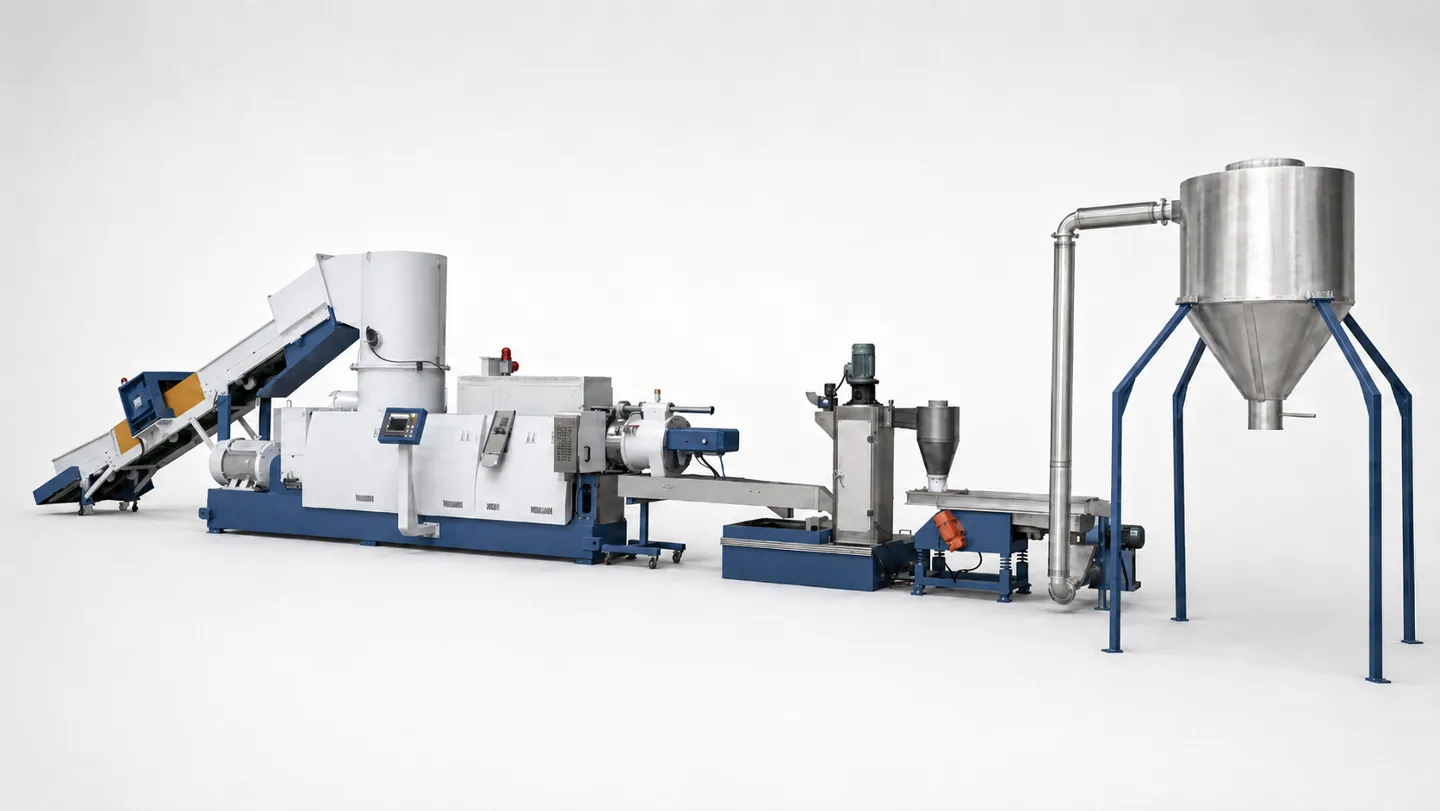
Transformez les déchets plastiques lavés en granulés à plus forte valeur ajoutée
La granulation de plastique — transformer les déchets propres en granulés uniformes et de valeur supérieure — améliore la densité volumique, la maniabilité, le stockage, la stabilité de l'alimentation et la valeur de revente. La configuration appropriée de la ligne dépend du polymère, de la forme du matériau, de l'humidité, de la contamination, du flux de fusion et de l'application finale.
Qualité constante des granulés recyclés
La filtration, la dégazage, le contrôle de la pression du polymère fondu et la découpe des granulés permettent de produire des granulés recyclés uniformes, avec une maniabilité constante dans les étapes de traitement ultérieures.
Haute densité volumique
Les granulés sont plus faciles à transporter, à stocker, à emballer et à vendre que le film non transformé, le régrogé à faible densité ou les copeaux lavés de forme inégale.
Conception de l'hélice spécifique au matériau
La conception de l'agitateur, le rapport L/D, les systèmes d'évacuation, les zones de température et la méthode d'alimentation sont sélectionnés en fonction des besoins pour le traitement de films, de flocons rigides, de PET, de polystyrène expansé (EPS), d'éthylène-acétate de vinyle (EVA), de polypropylène (BOPP) ou pour des opérations de mélange.
Dégazage et filtration
Dégasage simple, double ou multistage et changeurs de tamis éliminez l'humidité, les composés volatils, les résidus d'encre, les gels et les contaminants solides avant la granulation.
Intégration complète de la ligne
Les machines de granulation peuvent être connectées à des broyeurs, des lignes de lavage, des sécheurs, des presses, des convoyeurs, des silos et des systèmes d'emballage pour une production de recyclage continue.
Moins de charge pour l'opérateur
L'alimentation automatique, la surveillance de la pression du polymère fondu, le contrôle de la température, le séchage des granulés et le transport pneumatique réduisent la manutention manuelle et stabilisent la production.
Comment fonctionne une ligne de granulation de plastique
Une ligne de granulage transforme les déchets plastiques propres en granulés, filtre et dégazé la matière fondue, puis la découpe en granulés uniformes pour être réutilisée dans l'extrusion, l'injection, le mélange ou la production de films.
Alimentation et Pré-densification
Film, mousse, copeaux ou matière recyclée sont introduits par convoyeur, chargeur, coupe-compacteur, agglomérateur ou chargeur latéral.
Fusion et dégazage
L'extrudeuse fait fondre le plastique et élimine l'humidité, l'air, les composés volatils de l'encre et les contaminants de faible poids moléculaire grâce à des zones de ventilation.
Filtrer et Stabiliser
Les tamis et les pompes à fondus permettent d'éliminer les solides et de stabiliser la pression avant la découpe en granulés.
Découpe, Séchage et Emballage
Les formes à anneau, à fil ou de découpe sous-marine produisent des granulés qui sont déshydratés, séchés, refroidis et acheminés vers le stockage.
Alimentation et Pré-densification
Préparer les déchets de faible densité ou irréguliers pour une alimentation stable dans l'extrudeuse.
Fusion et dégazage
Faire fondre le plastique tout en éliminant l'humidité, l'air et les résidus volatils.
Filtrer et Stabiliser
Éliminer les contaminants solides et stabiliser la pression du polymère fondu.
Découpe, Séchage et Emballage
Couper les granulés de manière uniforme et les préparer pour le stockage ou la vente.
Voies de granulométrie pour différents flux de déchets plastiques
Différents matériaux nécessitent des méthodes d'alimentation, de dégazage, de filtration et de découpe différentes. L'adaptation de la ligne aux matériaux est la méthode la plus rapide pour éviter une production instable et des pellets rejetés.
Film et sacs tissés en PP/PE
Découpe et compactage ou pelletisation à anneau d'eau pour les films lavés, les films agricoles, les films d'emballage, les sacs tissés, le raffia et les déchets non tissés.
Granulation de filmFlocons de PET
Pelletisation à vis unique pour les copeaux de bouteilles PET séchées, où le contrôle de l'humidité et la stabilité de la masse fondue sont essentiels.
rPETBroyé rigide PP/HDPE
Extrusion à aspiration pour les flocons rigides provenant de caisses, de bacs, de bouchons, de contenants, de tuyaux et de pièces moulées.
Flocons rigidesMousse de polystyrène et polystyrène expansé Correction nécessaire : la sortie précédente n'a pas été validée : le terme protégé "EPS" a été modifié : 'EPS Foam and Styrofoam' -> 'Mousse de polystyrène et polystyrène expansé'
Broyage, compaction, dégazage et pelletisation des mousses pour le recyclage des déchets de matériaux isolants (EPS) et des chutes de polystyrène.
Mousse de polystyrène Correction nécessaire : la sortie précédente n'a pas été validée : le token protégé "EPS" a été modifié : 'EPS Foam' -> 'Polystyrène expansé'Déchets de mousse EVA
Lignes de granulation dédiées au recyclage des déchets de semelles de chaussures en EVA, des chutes de mousse et des chutes de mousse flexible, nécessitant une densité et une dégazage contrôlées.
Mousse EVAMélange et Modification
Extrusion à double vis pour le mélange, les additifs, les charges, les maîtres de couleur, la modification des polymères et les composés recyclés spéciaux.
Extrusion à double visLignes de production de granulés de plastique et systèmes d'extrudeuses
Choisissez une machine à granulage de plastique dédiée en fonction du type de matière première, du comportement d'alimentation, des besoins de fusion et de l'application finale des granulés. Chaque granulateur de plastique ci-dessous est construit autour d'une forme d'alimentation spécifique plutôt qu'adapté d'un extrudeur polyvalent.
Machine de granulation de film PP/PE
Pour les déchets de film de polyoléfine lavés nécessitant une compaction stable, une dégazage, une filtration et une découpe en granulés par anneau d'eau.
Coupeur CompacteurLigne de granulation par compactage et coupe
Découpe, compactage, séchage et extrusion intégrés pour les films PE/PP, les pailles, les sacs tissés et les déchets souples.
Anneau d'eauPelletiseur à anneau d'eau pour films et sacs tissés en PP/PE
Système de découpe de granulés pratique pour les films et matériaux tissés en polyoléfines, avec refroidissement et séchage automatiques des granulés.
Flocons de PETPelletiseur à une vis pour copeaux de PET
Conçue pour les copeaux de PET secs et propres avec un traitement contrôlé, afin de garantir une qualité de pastilles de PET recyclé stable.
Récupération de plastique rigideMachine à granulés de flocons de plastique rigide PP/PEHD
Extrusion à aspiration pour les copeaux rigides de PP et de PE recyclés provenant de flux industriels et post-consommation. (HDPE)
Vis simpleMachine à granulé à vis unique pour le recyclage de plastique
Une plateforme d'extrusion polyvalente pour la production de granulés à partir de nombreuses flux de flocons, de rebuts et de polymères recyclés.
Granulation pour le recyclageSystème d'extrudeuse à vis twin pour recyclage des plastiques
Pour des paillettes et de la matière rebroyée préparées nécessitant une homogénéisation intensive de la matière fondue, un dégazage sous vide et une filtration avant la production de granulés.
ComposéLigne de compounding et extrusion à vis twin
Ligne de compounding pour le mélange d'additifs, les plastiques recyclés renforcés, le masterbatch et les composés ingénierisés.
Film BOPPLigne d'extrusion de pâtes de film BOPP pour le recyclage
Configurée pour les déchets de film BOPP avec alimentation, compactage, extrusion et granulation adaptés au comportement du film.
Mousse EVALigne de recyclage et granulation de mousse EVA
Itinéraire de recyclage des mousses pour les déchets d'EVA qui nécessite la réduction de taille, la densification, le dégazage et la granulation.
Mousse de polystyrène Correction nécessaire : la sortie précédente n'a pas été validée : le token protégé "EPS" a été modifié : 'EPS Foam' -> 'Polystyrène expansé'Ligne d'extrusion de pâtes EPS pour le recyclage du polystyrène
Ligne de recyclage des mousses dédiée aux déchets d'emballage en EPS et aux copeaux de polystyrène expansé avec des besoins de réduction de volume élevés.
AgglomérationAgglomèreur de film plastique
Pré-densifie les films légers, les sacs tissés et les copeaux fibres avant l'extrusion ou la réutilisation dans les lignes de recyclage.
Tissu non tisséLigne de granulation de non-tissé PP Meltblown
Granulation sous contrôle de température pour les copeaux de production de non-tissés PP meltblown.
Matériel de granulation, extrudeuses et granulés recyclés
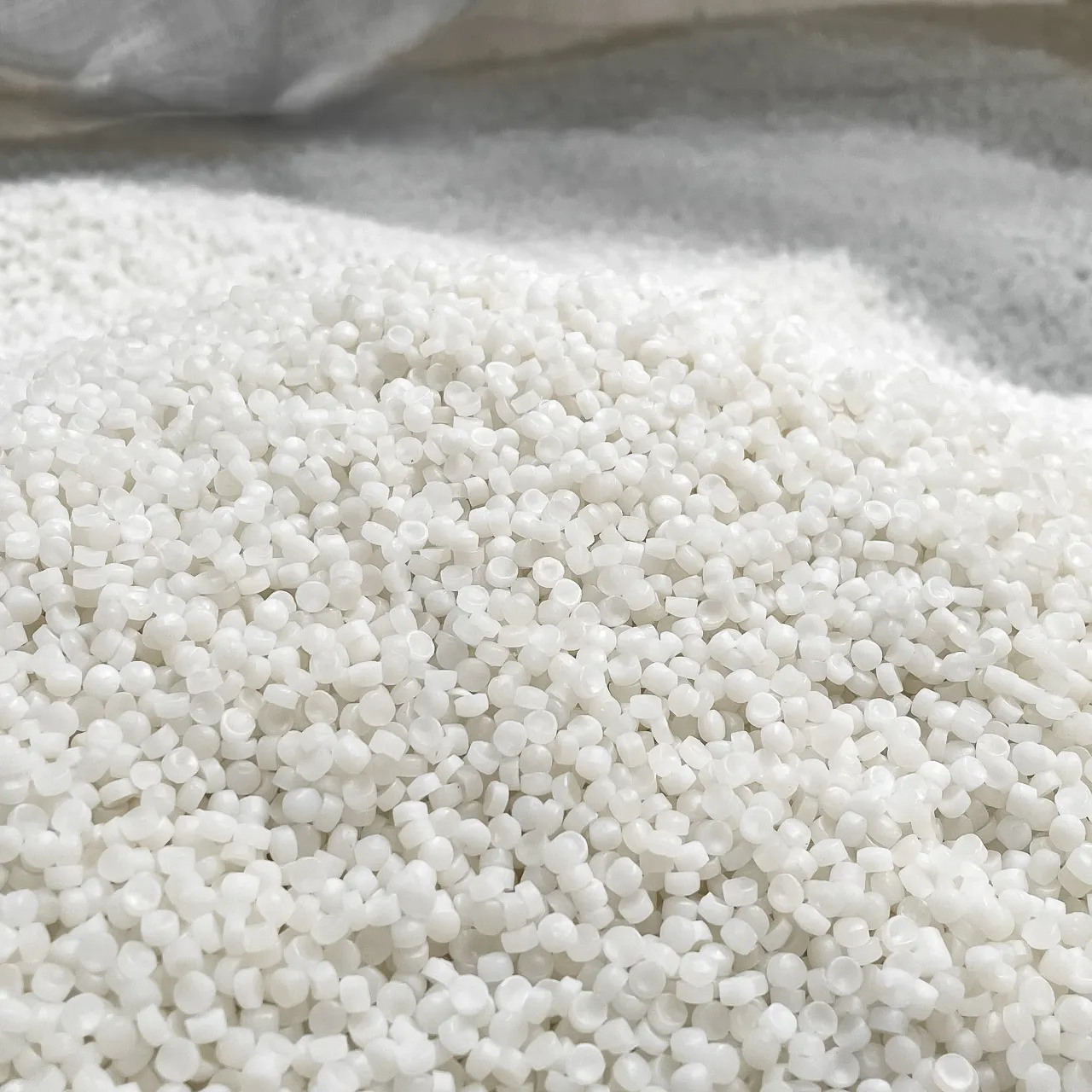
Les systèmes de granulation typiques combinent l'extrusion, la filtration, la coupe de granulés, le déshydratage, le séchage et le conveyage en une ligne de production continue.
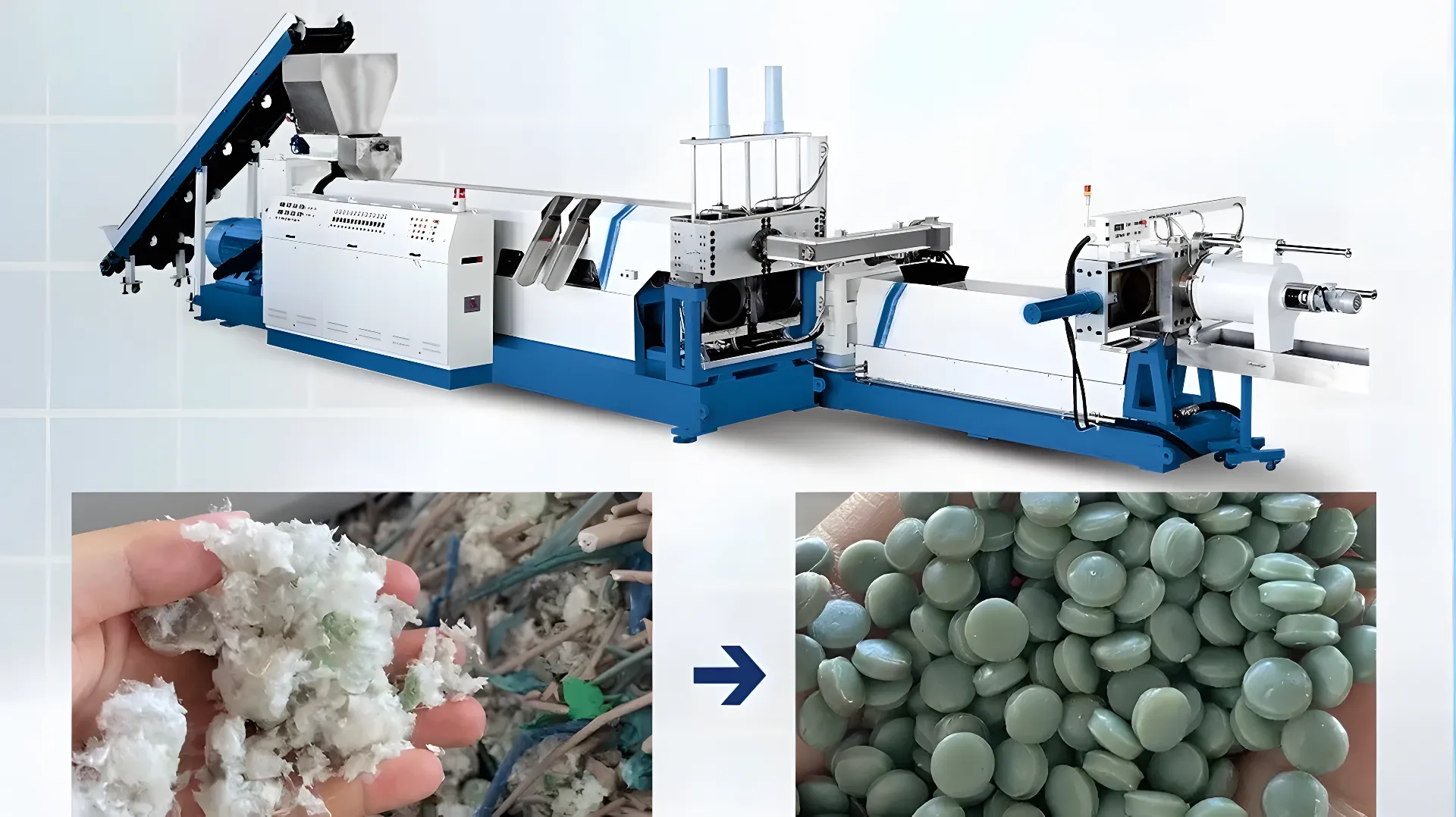
Comment choisir le bon système de granulation
Utilisez le tableau ci-dessous comme guide de premier passage. La sélection finale doit prendre en compte l'humidité du matériau, la contamination, le contenu d'impression, le débit de fusion, les besoins en additifs, la qualité cible des granulés et la capacité horaire.
| Matériel | Alimentation recommandée | Itinéraire de granulation | Points de conception clés |
|---|---|---|---|
| Film PE/PP, rafia, sacs tissés | Compacteur-ciseau ou agglomérateur | Extrudeuse à vis unique avec coupe à anneau d'eau | Alimentation stable, dégazage, filtration, faible risque de pontage |
| Flocons de PET lavés | Alimentation en paillettes sèches dosées | Extrudeuse à vis unique ou granulation en fil | Contrôle de l'humidité, protection IV, stabilité de la fusion du melt |
| Copes PP/HDPE rigides | Alimentateur à force | Extrudeuse à vis unique avec changeur de tamis | Conveyance solide, filtration de contamination, cohérence de la sortie |
| Mousse EPS ou EVA | Broyeur et densificateur | Dégazage par extrusion et coupe en fil ou à l'anneau d'eau | Élimination de l'air, réduction du volume, stabilité de la pression du mélange |
| Plastiques recyclés compoundés | Principal alimentateur et alimentateur latéral | Extrusion à double vis et granulation | Mélange d'additifs, dispersion de charges, contrôle de formulation |
Faites glisser horizontalement pour voir le tableau complet sur mobile.
Connecter la granulation avec le lavage, le séchage et la préparation du matériau
La qualité des granulés commence avant l'extrudeuse. Si le matériau est sale, humide, volumineux ou mélangé, la préparation en amont est tout aussi importante que le granulateur lui-même.
Solutions de recyclage complètes
Conception complète de la ligne de production, de la broyage, du lavage et du séchage à la granulation finale et à l'emballage.
Broyeurs à plastique
Préparer les films en vrac, les sacs, les purges, la mousse et les déchets rigides pour une alimentation en aval stable.
Systèmes de lavage
Éliminer la saleté, les étiquettes, la colle, le sable, l'huile et les contaminants mélangés avant l'extrusion.
Déshydratation et séchage
Réduire l'humidité avec des sécheurs centrifuges, des presses à vis, des compresseurs ou le séchage thermique avant la granulation.
Questions sur le granulateur en plastique
Quelques questions pratiques pour clarifier avant de choisir une ligne de granulation.
Besoin d'aide pour choisir une ligne de granulation en plastique ?
Envoyez-nous les détails de votre matière, votre processus actuel et votre application cible de granulés. Nous vous recommanderons une configuration de granulateur avec le bon système d'alimentation, le type d'extrudeuse, le dégazage, la filtration et la méthode de coupe. Nouveau dans le processus ? Lisez notre guide sur comment fonctionne la granulation des plastiques avant de spécifier une ligne.