

Kunststoffgranuliermaschinen für Recycling und In-Haus-Wiederverwertung
Nass-, Feststoff-, Vertikal-, PET-Flaschen- und integrierte Zerkleinerungs- und Granuliermaschinen von 100 kg/h bis 2.000 kg/h. SKD-11-Messer, individuelle Siebgrößen, direkt vom Hersteller.
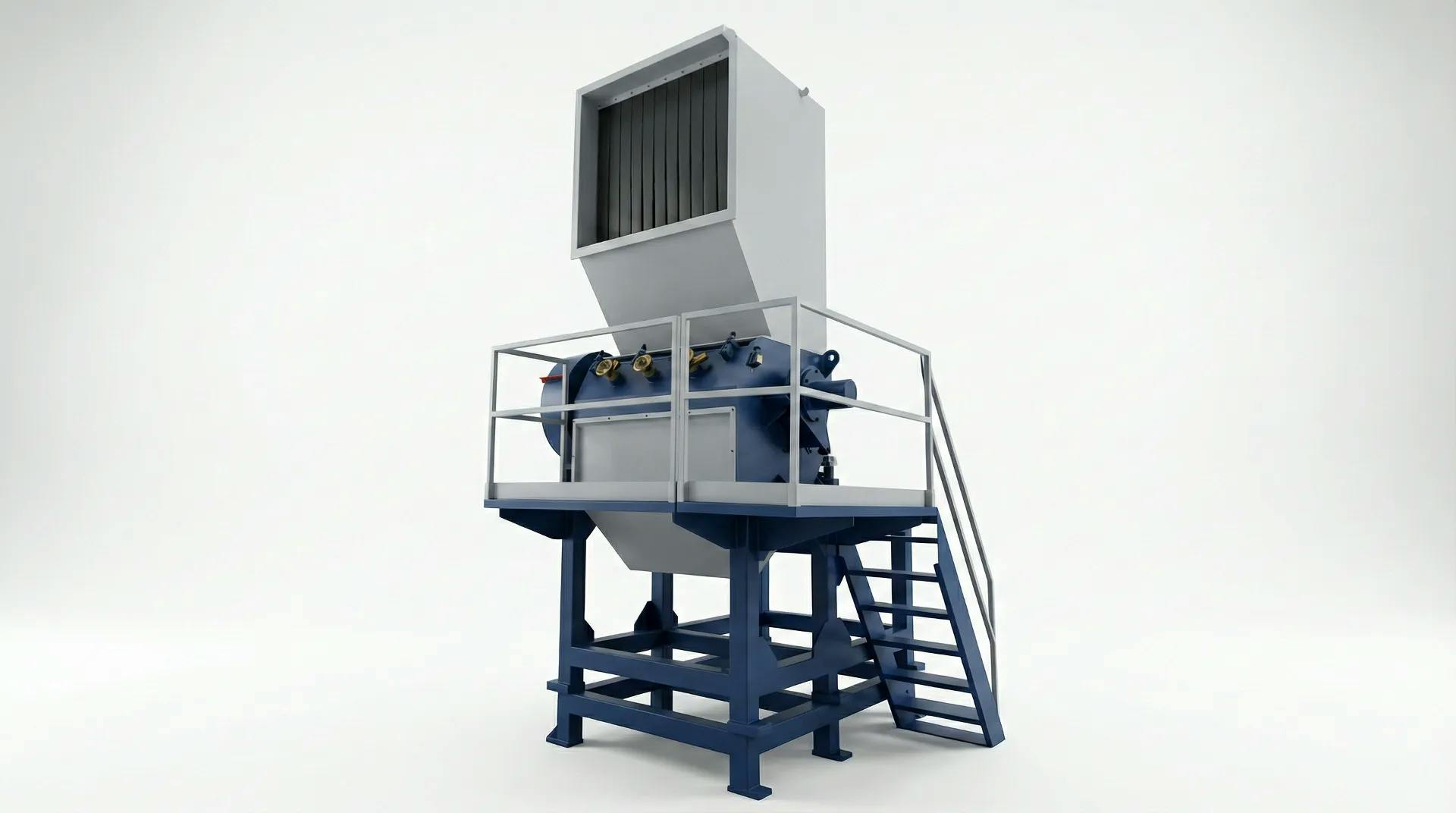
Was ein Kunststoffgranulator leistet und wo er in Ihrer Produktionslinie zum Einsatz kommt
Ein Kunststoffgranulator ist eine Präzisions-Zerkleinerungsmaschine, die Abfallmaterial in gleichmäßigen Mahlgut für die Extrusion, Pelletierung, Reinigung oder den Weiterverkauf umwandelt.
Ein Kunststoffgranulator zerkleinert Angusskanäle, Angüsse, Ausschussteile, Flaschen, Folien, Rohre und Platten zu gleichmäßigem Sekundärgranulat, typischerweise mit einer Korngröße von 4–18 mm. Während ein Schredder große Teile bei hohem Drehmoment und niedriger Drehzahl in grobe Streifen zerreißt und ein Pelletierer geschmolzenes Polymer in runde Pellets verwandelt, befindet sich der Granulator dazwischen und verfügt über Hochgeschwindigkeitsrotoren, Klingen aus Werkzeugstahl und ein Sieb, das die endgültige Partikelgröße bestimmt. In Spritzgussbetrieben gewinnt ein neben der Presse installierter Granulator Heißkanäle inline zurück. In Recyclinganlagen produziert ein zentraler Granulator hinter einem Schredder das Mahlgut, das einer Waschanlage, einem Extruder oder einem Pelletierer zugeführt wird. Maschinenvergleiche finden Sie in unserem Schredder vs. Granulator vs. Pelletizer nachschlagen oder lesen Funktionsweise eines Kunststoffgranulators. Planen Sie ein schlüsselfertiges Projekt? Beginnen Sie mit unserem Recyclinglösungen auf Linienebene.
Kernvorteile unserer Brecher- und Granulatorserie
Modellpalette, Schneidgeometrie, Handhabung, Bauweise und Steuerungslogik sind auf Ihr Material und die gewünschte Qualität des Mahlguts abgestimmt.
Vielseitige Modellpalette
Von kompakten Einheiten bis hin zu Großmaschinen für nasse und trockene Materialien, PET, PVC und sperrige Hartkunststoffe.
Hochleistungsschneiden
Spezialrotoren, darunter Modelle mit V-förmigen Einschnitten und Klauenmessern, sorgen in Kombination mit langlebigen Messern aus D2-Stahl für eine verbesserte Zerkleinerung und gleichmäßige Ausbeute.
Auf Benutzerfreundlichkeit ausgelegt
Leicht zugängliche Kammern, verstellbare Schaufeln und modulare Siebe vereinfachen den täglichen Betrieb und die Wartung.
Robuste Konstruktion
Robuste Rahmen und hochwertige Komponenten gewährleisten eine lange Lebensdauer bei der Verarbeitung von schwierigen, starren und verunreinigten Materialströmen.
Smart Control-fähig
Die optionale SPS-Integration ermöglicht eine automatische Zuführung, Überlastschutz und die Steuerung des synchronisierten Anlagenbetriebs.
Entdecken Sie unser Angebot an Brechern und Granulatoren
Wählen Sie die Modellreihe anhand der Zufuhrgröße, des Verschmutzungsgrades, der Rotorbauweise und der gewünschten Förderleistung aus.
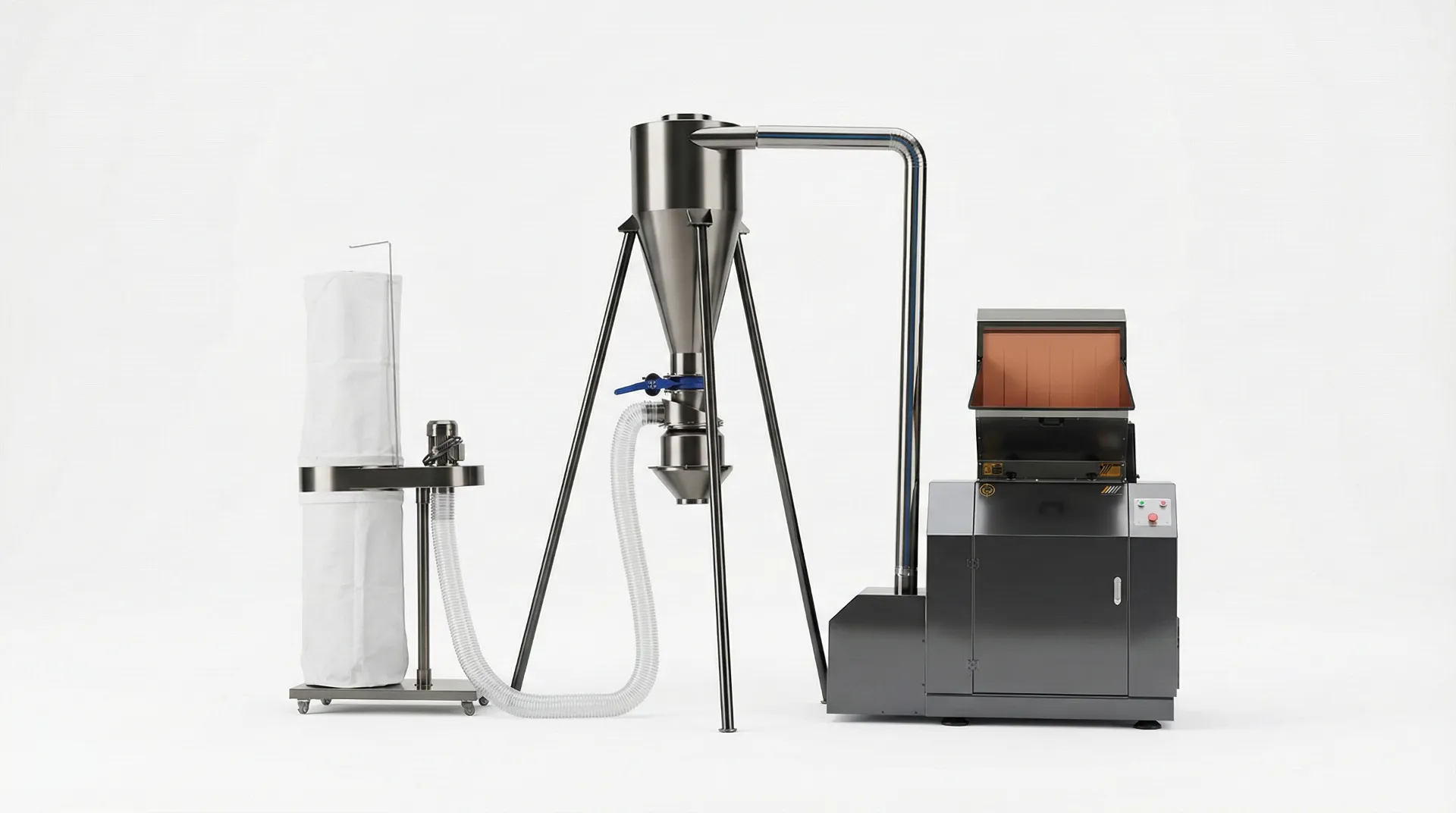
Kleine Brechmaschine
Eine effiziente und vielseitige Lösung mit verstellbaren Klingen und einem modularen Sieb für moderne Recyclingbetriebe.
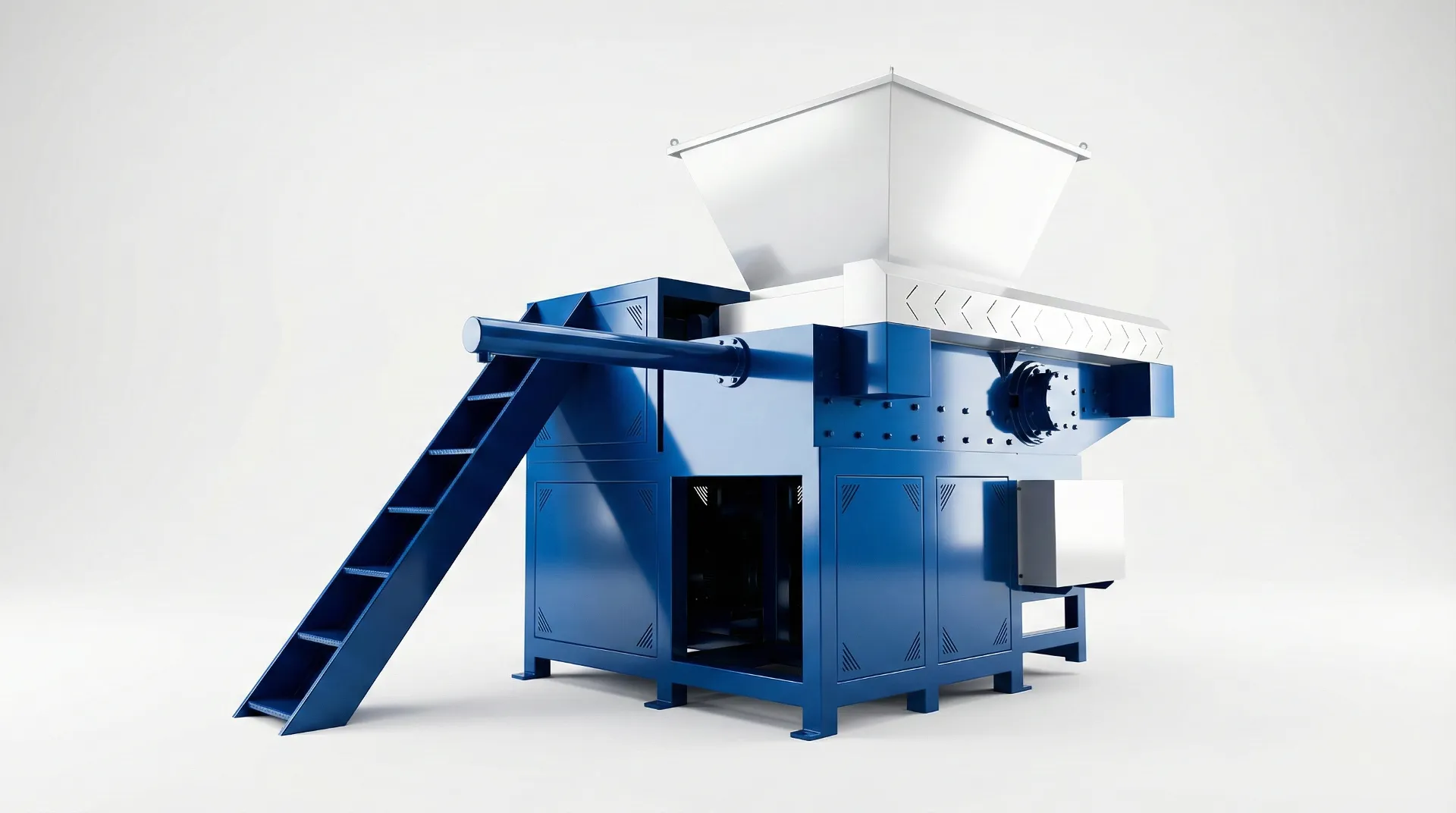
Integrierter Zerkleinerer-Granulator
Vereint Hochleistungszerkleinerung und präzise Granulierung in einer kompakten Maschine für unterschiedliche Materialien.
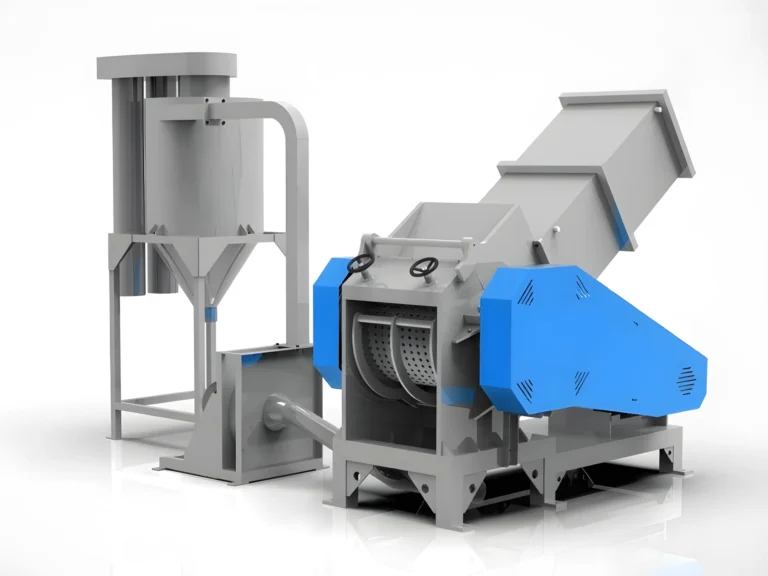
Vertikalgranulator für PVC-Rohre und Fensterprofile
Hochleistungszuführung für lange Rohre und Profile ohne Vorschneiden, was die Sicherheit und Effizienz erhöht.
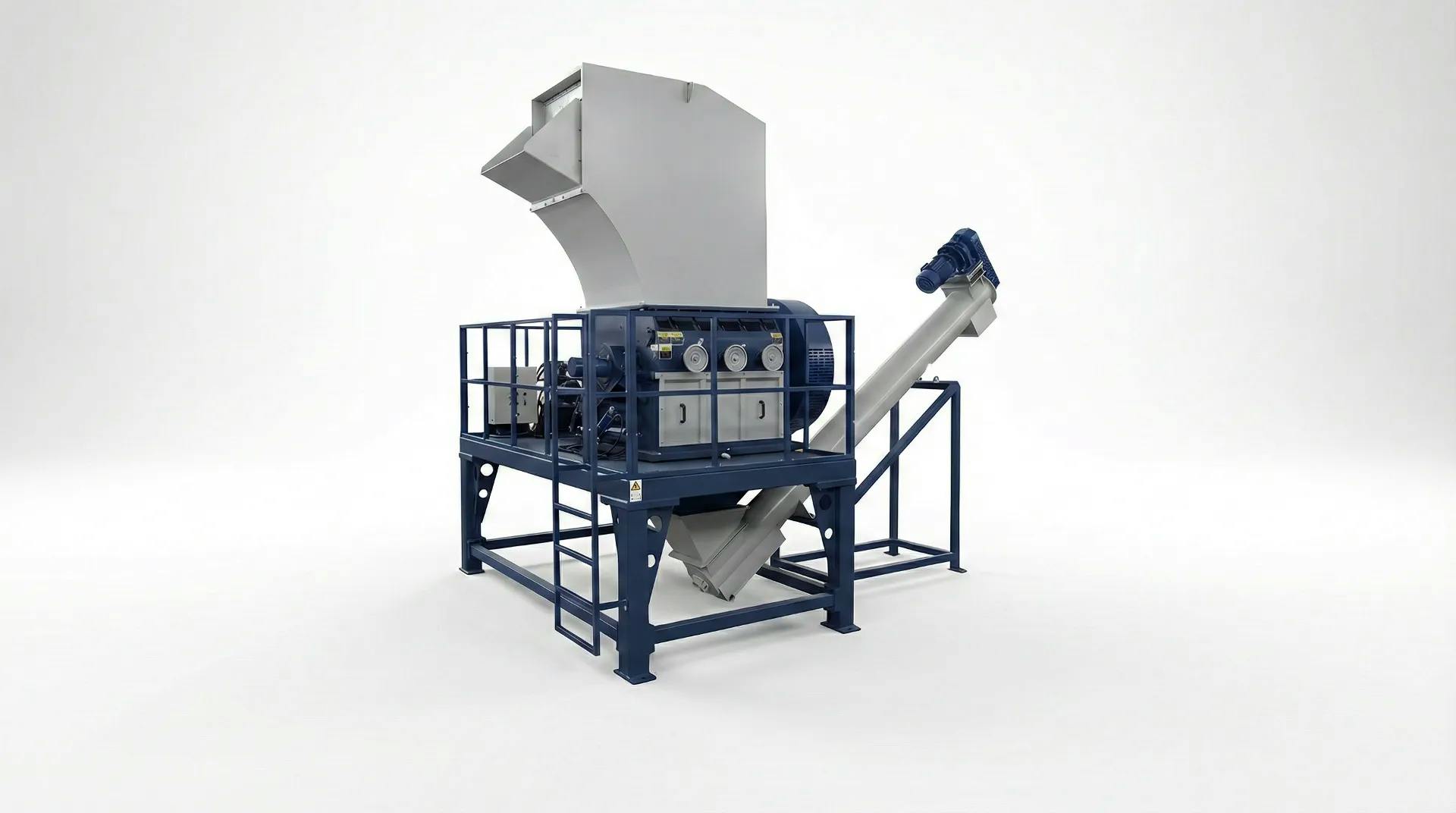
Nasser Kunststoffgranulator
Reinigt während des Granuliervorgangs, ideal für feuchte oder verunreinigte Kunststoffabfälle und sauberere Partikel.
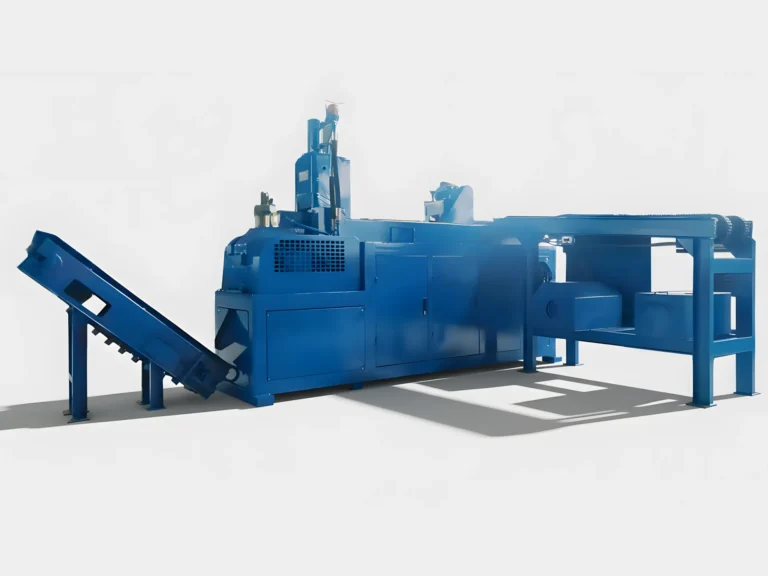
Kaltschneidemaschine für Bleibarren
Eine sicherere, rauchfreie Methode zur Herstellung von Bleigranulat durch die Umwandlung fester Barren ohne Schmelzen.
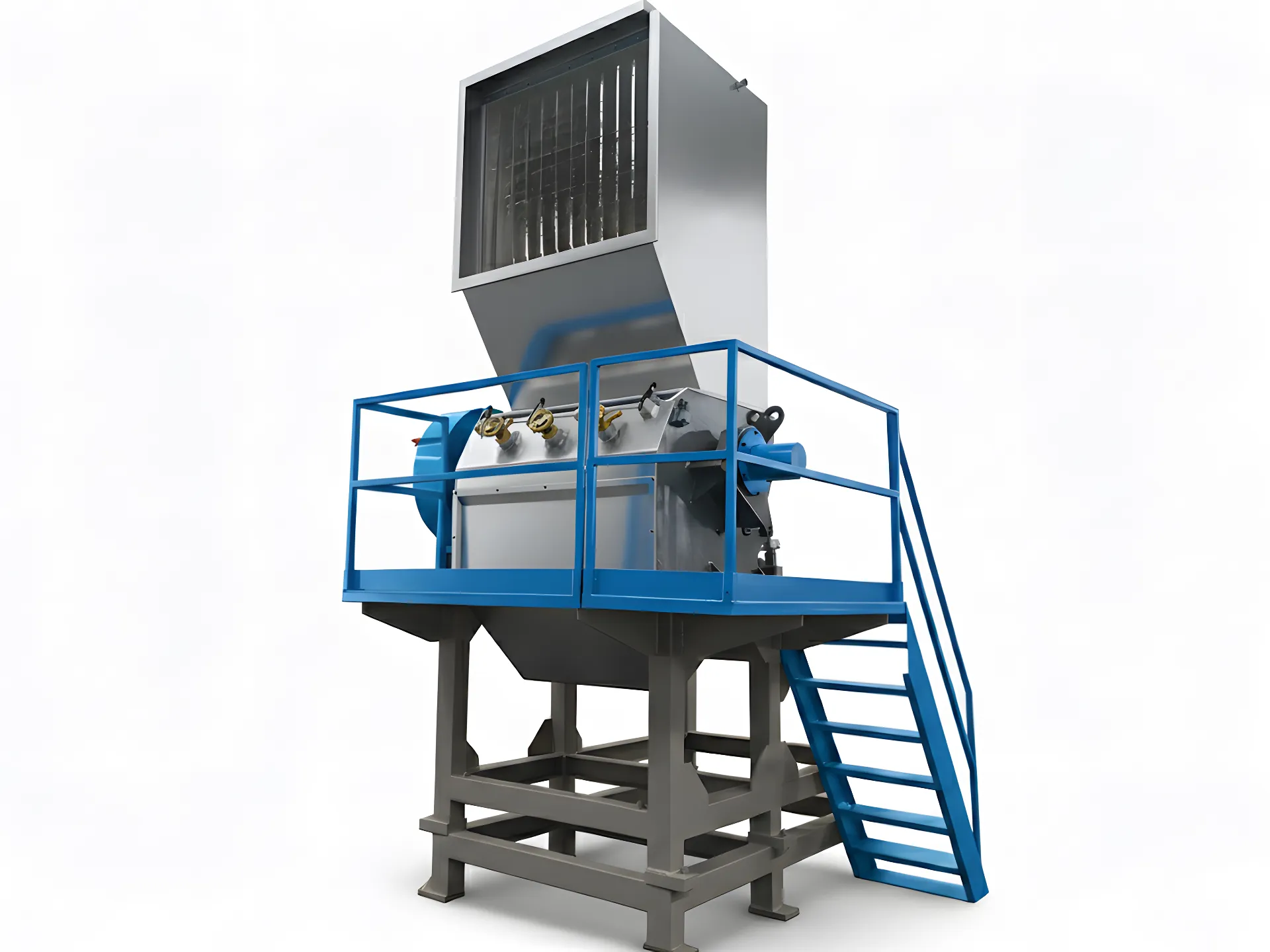
Extra großer Granulator aus starrem Kunststoff
Verarbeitet Sperrmüll wie Fässer, Kisten und Paletten und verwandelt ihn in einheitliches, hochwertiges Mahlgut.
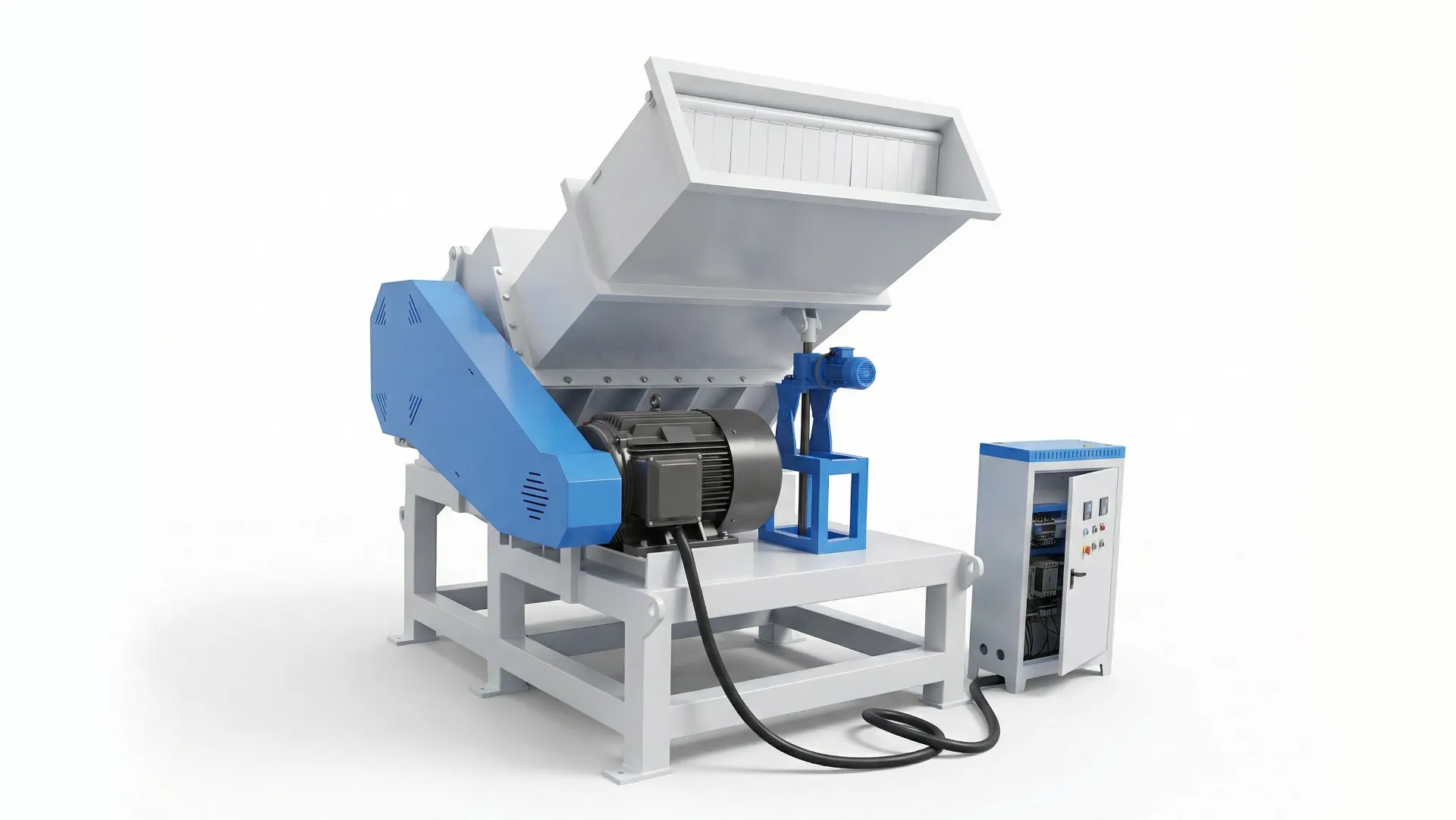
Horizontaler Brecher für Kunststoffwanne und PVC-Platte
Konzipiert für flache, sperrige Kunststoffe mit horizontaler Zuführung für eine stabile Verarbeitung und gleichmäßiges Mahlgut.
Technische Parameter (Standardserie)
Typische Beispiele für die Standard-Kunststoffgranulator-Baureihe. Die endgültige Konfiguration hängt vom Material, dem Durchsatz und der gewünschten Flockengröße ab.
| Modell | Motor (kW) | Bewegliche Klingen | Feststehende Klingen | Rotor (mm) | Einfüllöffnung (mm) |
|---|---|---|---|---|---|
| PC400 | 15 | 12 | 2 | 380 × 400 | 400×320 |
| PC500 | 22 | 18 | 2 | 380×500 | 500×320 |
| PC600 | 30 | 24 | 4 | 450×600 | 600 × 450 |
| PC800 | 45 | 30 | 4 | 580×800 | 800×550 |
Bewegen Sie zur Seite, um die vollständige Tabelle anzuzeigen.
Notiz: Die Maschinen können an Ihre Material- und Produktionsanforderungen angepasst werden.
Wie wählen Sie die richtige Kunststoffgranuliermaschine in 4 Fragen
Nutzen Sie diese vier Prüfschritte, um den Maschinentyp einzugrenzen, bevor Sie die Abmessungen von Rotor, Motor, Sieb und Messerstahl festlegen.
1. Was ist Ihr Ausgangsmaterial?
Flaschen und Folien: Nassgranulator oder PET-Flockengranulator. Harte Klumpen und Spülabfälle: Hochleistungsgranulator für harte Materialien. Lange Rohre und Profile: Vertikalgranulator. Gemischter oder unsortierter Sperrschrott: Integrierter Zerkleinerungs- und Granulator.
2. Wie hoch ist Ihr Durchsatz?
Rückgewinnung direkt an der Druckmaschine: 50–200 kg/h. Recycling im mittleren Maßstab: 300–900 kg/h. Zentrale Anlage: 1.500–2.000 kg/h. Dimensionierung 20 % über der Spitzenlast zum Schutz des Motors.
3. Welche Granulatsgröße benötigen Sie?
Extrudereinsatz: 6–10 mm. Granulatlinie: 8–14 mm. Weiterverkauf als Flocken: 10–18 mm. Siehe unser Siebgrößenanleitung.
4. Schmutziger oder sauberer Eingang?
Sauberes Altmaterial: Standardklingen aus D2 oder SKD-11. Etikettierte Flaschen oder Folie mit Sand: Nassgranulator plus Edelstahltrichter. Glasfaserverstärktes oder faserverstärktes Altmaterial: CPM-10V oder Hartmetall.
Gefallen Ihnen die ausführlichen Informationen? Lesen Sie die vollständige Granuliermaschinen-Auswahlanleitung →
Granulator vs. Schredder vs. Mahler vs. Pelletizer
Alle vier reduzieren Kunststoff in verschiedenen Phasen, Drehzahlbereichen und bei unterschiedlichen Ausgabegrößen.
| Aktenvernichter | Granulator | Mahler / Pulverizer | Pelletierer | |
|---|---|---|---|---|
| Eingangsgröße | Bis zu 2 m | Bis zu 800 mm | Wiederverwertungsgranulate | Wiederverwertungsgranulate |
| Ausgabegröße | 20–100 mm | 4–18 mm | 0,1–1 mm Pulver | 2–4 mm große Pellets |
| Drehzahl | 20-120 | 400-800 | 3,000-6,000 | 30-60 |
| Drehmoment | Sehr hoch | Medium | Niedrig | High (screw) |
| Typical Use | Initial size reduction | Second-stage / in-house | PVC und Rotationsformpulver | Final reprocessing |
Bewegen Sie zur Seite, um die vollständige Tabelle anzuzeigen.
Where Energycle Granulators Run Every Day
Die Dimensionierung von Zerkleinerungsmaschinen richtet sich nach dem tatsächlichen Ausgangsmaterial, dem Verunreinigungsgrad und dem nachgelagerten Prozess.
Recycling von PET-Flaschen
Herstellung von heißgewaschenen PET-Flocken (8–14 mm), die in Pelletieranlagen für Lebensmittelqualitätsprodukte eingespeist werden. See PET line case study →
HDPE Drums & IBC
Hochleistungs-Feststoffgranulator mit übergroßem Trichter für IBC-Behälter, HDPE-Fässer und blasgeformte Abfälle mit einem Durchmesser von bis zu 800 mm.
PP Woven Bags & Film
Wet granulator with anti-wrap rotor for LDPE film, PP woven bags, and agricultural film.
PVC Pipe & Profile
Vertical granulator processes 6-meter PVC pipe and window profile without pre-cutting.
In-House Runner Reclaim
Beside-the-press PC400 reclaims sprues and runners hot, in-line with injection molding.
Fiber-Reinforced Plastic
Verstärkte Rotoren mit CPM-10V- oder hartmetallbestückten Schaufeln für glasfaserverstärktes PA, PBT und Verbundwerkstoffabfälle.
Granulator Blades & Wear Parts
Messer sind das wichtigste Verschleißteil bei jedem Granulator. Wählen Sie den richtigen Stahl und planen Sie von Anfang an einen Schleifzyklus ein.
Ersatzmesser für Granulatoren
Rotor- und Bettmesser aus SKD-11, DC53 und CPM-10V. HRC 58–62. Sonderlängen für jeden Rotordurchmesser.
SchärfungAutomatischer Messerschleifer
Die Messer des Granulators sind auf eine Genauigkeit von ≤ 0,03 mm nachzuschleifen. Pro Messersatz sind 6–10 Nachschleifvorgänge vor dem Austausch möglich.
AnleitungGranulatormesser auswählen
Passen Sie den Klingenstahl, den Fasenwinkel und die Härte an Ihr Kunststoffmaterial an.
KostenanalyseVergleich von Schneidstoffmaterial und Kosten
Wenn sich hochwertiger Stahl auszahlt – und wenn D2 die richtige Wahl ist.
Halten Sie jeden Granulator auf Spitzenleistung
Ein regelmäßiger Wartungsrhythmus sichert die Produktionsleistung, senkt die Energiekosten und gewährleistet eine gleichbleibende Qualität des Mahlguts.
Messerwechsel – wöchentlich
Der Abstand zwischen Rotor und Schneidklinge sollte zwischen 0,15 und 0,30 mm liegen. Bei einem Abstand von mehr als 0,5 mm gehen 15–25 % der Motorenergie verloren, und der Kunststoff wird zerrissen, anstatt geschnitten zu werden.
Siebprüfung
Ersetzen Sie verbogene oder abgenutzte Siebe. Bei Löchern, deren Durchmesser um mehr als 110 % vergrößert ist, gelangen übergroße Mahlrückstände durch. Siehe wie die Siebesize die Qualität beeinflusst.
Nachschleifen, nicht ersetzen
Klingen aus Werkzeugstahl können 6- bis 10-mal nachgeschliffen werden. Ein automatischer Schärfer bezahlt sich innerhalb eines Messersatzes aus.
Wartungsplan für Lager und Riemen
Schmieren Sie die Lager alle 500 Stunden und spannen Sie die Keilriemen alle 200 Stunden nach. Siehe unsere Wartung Und Fehlerbehebung Anleitungen.
Kunststoffgranulator – Häufig gestellte Fragen
Schnelle Antworten zu Kosten, Maschinentyp, Siebgröße, Standzeit der Messer, Leistungsaufnahme und Gesamtanlagenplanung.
Fordern Sie eine individuelle Lösung und ein Angebot an
Um aktuelle Preise, Lieferzeiten und einen auf Ihr Material und Ihre gewünschte Flockengröße abgestimmten Brecher oder Granulator zu erhalten, senden Sie uns bitte Ihre Anforderungen. Wenn Sie eine komplette Anlage vom Zerkleinern über das Waschen und Trocknen bis hin zur Pelletierung benötigen, beginnen Sie mit Recyclinglösungen.
Sagen Sie uns, was Sie brauchen
Materialart, Sollmenge in kg/h, gewünschte Flockengröße, Nass- oder Trockenverfahren sowie die Angabe, ob es sich um eine Einzelmaschine oder um einen Teil einer kompletten Recyclinganlage handelt.
Anleitungen und technische Ressourcen für Granulatoren
Weitere Informationen zur Maschinenauswahl, Siebgröße, Wartung, Fehlerbehebung und Standzeit der Siebbleche.
Wie funktioniert ein Kunststoffgranulator?
Machen Sie sich mit dem Rotor, den Messern, dem Sieb, der Einfüllöffnung und den Ausgabesteuerungen vertraut.
So wählen Sie den richtigen Granulator
Passen Sie das Ausgangsmaterial, den Durchsatz, die Größe des Mahlguts und das Material der Messer an.
Wartungsleitfaden für Granulatoren
Halten Sie Messer, Siebe, Lager und Riemen in einwandfreiem Zustand.
Fehlerbehebung: Verstopfung und Geräusche
Erkennen Sie häufige Probleme, bevor sie zu Leistungseinbußen führen oder Komponenten beschädigen.
Leitfaden zur Auswahl der Siebgröße
Verstehen Sie, wie sich die Maschenweite des Siebs auf den Durchsatz und die Qualität des Mahlguts auswirkt.
Messerauswahl für maximale Effizienz
Vergleichen Sie die Stähle der Klingen, die Härte, den Fasenwinkel und das Verschleißverhalten.